
If you live full time in your RV and want to change your legal domicile, figuring out where and how to do that can get a little confusing. Domicile is about more than just an address. It affects everything from your taxes and voting rights to your access to health care and insurance.
After changing my own domicile, I picked up plenty of tips that make the process smoother for fellow full-time RVers, so I’m sharing them here to help you avoid some common snags.
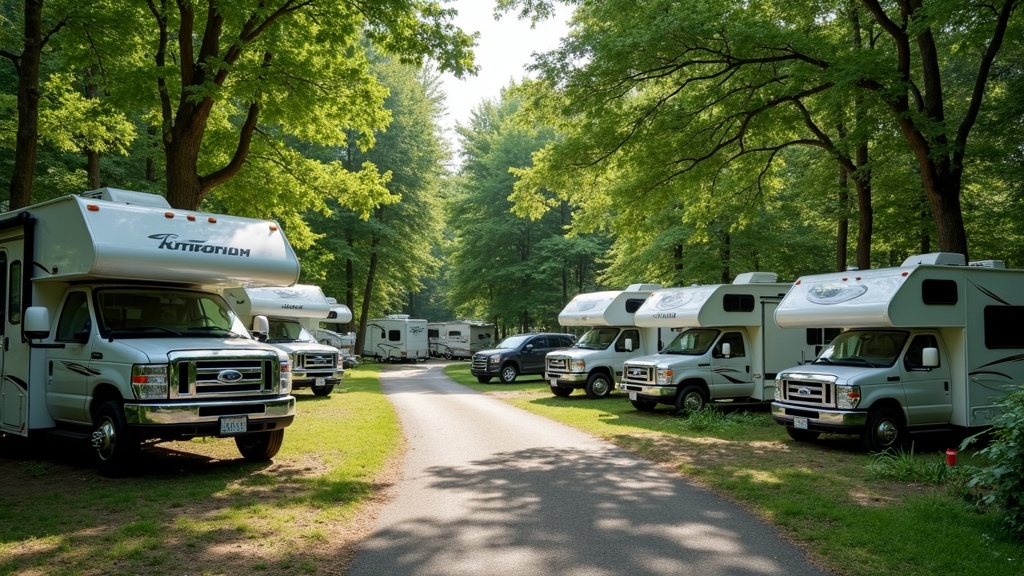
What Is Domicile, And Why Does It Matter For RVers?
Domicile isn’t just a mailing address. It’s your true legal home base, and the state you pick as your domicile will impact things like income taxes, vehicle registration fees, health care availability, and jury duty notices. For full-time RVers who might not spend much time in any given place, declaring a domicile that matches your lifestyle is pretty important.
Most states accept that full-time travelers can establish domicile there by meeting some basic requirements. That usually means proving you have a real connection to the state, such as signing up for a mail-forwarding service, getting a driver’s license, registering your vehicles, or opening accounts with local banks.
Popular states for RVers’ domicile include Texas, South Dakota, and Florida because of their RV-friendly rules, no state income tax, and easy vehicle registration process. Picking the right state can save money and reduce headaches, so it’s worth checking what each state requires and offers.
Choosing The Right State For Your Domicile
Not every state makes life easy for full-time RVers, so the research stage is really important. Take time to look at how different states handle income tax, vehicle inspections, mail forwarding, RV-friendly services, and residency requirements. Here are a few things I found really helpful to think about:
- Income Taxes: States like Florida, Texas, and South Dakota don’t collect personal income taxes, so that’s pretty appealing for most people.
- Vehicle Registration & Insurance: Some states make it easier to register your RV from a distance, but others require in-person visits or inspections. Insurance rates can also vary quite a lot.
- Health Care Access: If you need specialty health care or carry certain insurance, see which plans are available in the state you’re considering. Pick a place that matches your needs for coverage and treatment.
- Mail forwarding & Residency Services: Trusted companies in RV-friendly mail forwarding states can give you a legal address and help manage important documents.
- Driver’s License Renewal: States have different rules for renewing your license if you’re not around in person. If you plan to be far from your home state for a while, find one that lets you handle things online or by mail.
Each state will have its own approach, so careful research helps buyers make informed decisions. Websites like Escapees and RV clubs give state-by-state comparisons and tips to get a better idea of what suits you best.
Steps To Change Your Domicile As A Full-Time RVer
Switching your domicile takes a little bit of planning and paperwork, but it’s very doable. Here’s a simple version of what the process usually looks like for RVers:
- Pick Your State: Decide which state best matches your needs, considering taxes, vehicle rules, and health care.
- Set Up A Mailforwarding Address: Sign up with a reliable service like those in Texas, Florida, or South Dakota. This will be your legal address for government and financial paperwork.
- Register toon Vote: Register as a voter using your new address. This shows your intention to make this state your home base.
- Get A Driver’s License: Apply for a new license in your chosen state as soon as possible. Most states require you to surrender your old license first.
- Register Vehicles: Move your vehicle registrations and get new tags. Some states will want a vehicle inspection at this stage.
- Update Insurance Policies: Switch to new health, auto, or RV insurance based on where you’re now domiciled. Be sure your coverage matches the rules and network for your new state.
- Change Legal Documents: Update your address on all records, including your passport, bank accounts, Social Security, and any estate or trust paperwork.
Some of these steps need in-person visits, especially at the DMV and for vehicle inspection, but after that, you can handle most things remotely. Each step is pretty straightforward if you have your paperwork and ID ready.
Things To Watch Out For When Picking Your Domicile State
Full-time RVers have unique needs, and it’s easy to run into hiccups if you do not plan ahead. Here are some practical issues I think everyone should consider:
- Jury Duty: Some states may summon you for jury duty just because you’re on the voter roll, even if you barely spend time there. Having proof that you really do travel full-time (like campground receipts) can help if you cannot serve.
- Homestead Exemption: A few states offer property tax breaks, but only if you own or rent property. RV mail addresses do not usually count.
- Banking: Some national banks still want a physical address, not just a mail-forwarding service. Others, like internet banks, work better for travelers. Our mail forwarding service through Passport America gives us a physical address. We have used it since 2010.
- Health Insurance Networks: Plans may limit coverage to providers inside your domicile state. If you travel a lot, look at national plans or telemedicine options.
- State Residency Lengths: Some places ask you to spend a set number of days there each year. Be sure you meet these requirements, or you might lose your residency status.
Giving a little thought to these details upfront keeps things tidy later on. I talk to other RVers online often to see how they handle these tasks, and it’s great to compare notes and learn from each other’s experiences. As RVing keeps spreading fast, more people are sharing up-to-date tips and advice tailored for nomads just like you.
Jury Duty Tips For RV Nomads
Jury duty notices can sometimes find their way to your mail-forwarding address. States differ in their policies, but if you can show proof of continuous travel, many courts will excuse you. Keeping logbooks, campground receipts, or records of border crossings comes in handy if you ever get called.
Banking While Changing Domicile
Modern online banks are flexible for RVers, but double-check that your bank does not need a bricks-and-mortar address. Many mail-forwarding addresses look like commercial businesses, not residences, which can flag issues.
It helps to talk with your bank about what addresses they accept for your accounts. Internet-focused banks tend to accept more address options and are favored by people who travel all the time.
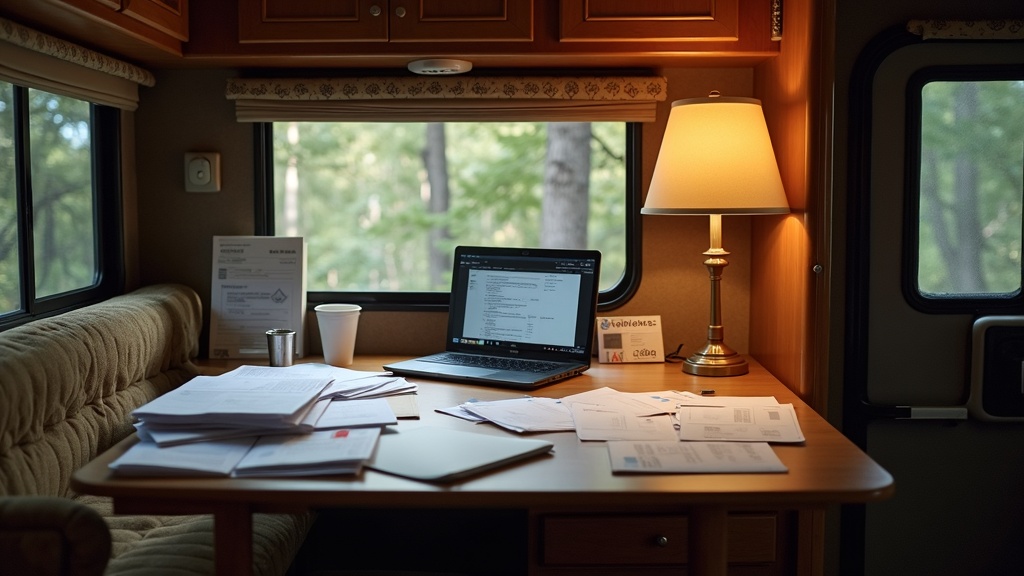
Advanced Hacks: Streamlining The Domicile Transition
After you nail the basics, you can make the process even easier with some extra tips I picked up along the way. These little tricks can save time and hassle:
- Bundle Tasks In Person: Plan your travels so you can handle several steps during one visit to your new state, like switching your driver’s license and registering vehicles on the same day. Some states even have offices that handle all tasks in one location, so do a little research ahead of your arrival.
- Photocopy Everything: Keep digital and print copies of any documents you file or receive during this process. If you lose anything on the road, having backups saved me more than once.
- Stay Up To Date: States sometimes change their requirements or websites, so check official sources before making the trip. Many RV forums share the latest firsthand experiences, which is also helpful.
- Record All Changes: Keep a checklist of every place where you need to update your address, from voter records and Social Security to online shopping sites and banks. It’s surprising how many places use your old address, so go through your accounts methodically.
- Create A “Domicile” File Folder: Keep everything related to your domicile transition in one folder for quick reference. This keeps things organized if a government agency ever asks for extra proof.
These habits keep life on the road less stressful. As someone who has switched domicile while full-timing, I noticed that planning ahead and staying organized are super important. Stay prepared with a backup plan for internet and power if you’re handling important date-sensitive filings from the road.
Frequently Asked Questions
Here are some popular questions I hear from full-time RVers looking to change their domicile:
Question: Can I use any mail forwarding service as my legal address?
Answer: Not all mailforwarders will work. You need one that offers a real street address and is recognized by the state government for residency purposes. Well-known providers like Escapees and MyRVMail are good options. We use MyRVMail as part of our membership with Passport America.
Question: Do I really need to be in the state to switch my license and register vehicles?
Answer: Yes, in almost all cases, you will need to show up in person, at least once. After that, you can renew or update many things online or by mail, depending on the state.
Question: How does changing domicile affect my taxes?
Answer: This will depend on your home state and the new state. States with no income tax can lower your overall tax bill, but check if your previous state has exit taxes or other special rules.
Question: What if I need to see a doctor or refill prescriptions while traveling?
Answer: Some insurance companies only cover you in your domicile state. Consider nationwide telemedicine providers or health-sharing plans that work in multiple states.
Question: How often do I need to return to my domicile state?
Answer: It’s a good idea to visit at least once a year to keep your records up to date or handle renewals. Check each state’s rules in case they require physical presence by law.
Changing your domicile when living full-time in an RV comes down to choosing your state wisely, staying organized, and handling paperwork at the right time. Give yourself plenty of lead time for travel and appointments, especially for in-person steps like the DMV.
Connect with RVing communities if you have specific questions, since other travelers are a gold mine of knowledge. Make sure you save copies of everything and keep your legal, health, and financial documents current. When done right, switching domicile can be pretty simple, letting you enjoy RV freedom with less worry about so-called “home base” paperwork.
__________________________________________________
If you want to get deeper into all things full-time RVing, check out more here.
Learn more about us here!
Feel free to leave a question or drop a comment if you have specific snags. I’m always happy to help fellow full-time RVers find practical solutions on the road.
Curious about working online as you travel? With great connectivity, which you can read about on this site, there are plenty of options for earning money from anywhere. You might even find a business you love that keeps you rolling!





Recent Comments