
If you’re living off-grid in your RV, managing waste responsibly is pretty important for comfort and for the environment. I’ve found that setting up a good waste strategy not only makes daily life smoother, but it also lowers your impact on nature.
Whether you’re boondocking in the desert or parked beside a mountain lake, sustainable RV waste management helps you enjoy your freedom without leaving a mess behind.
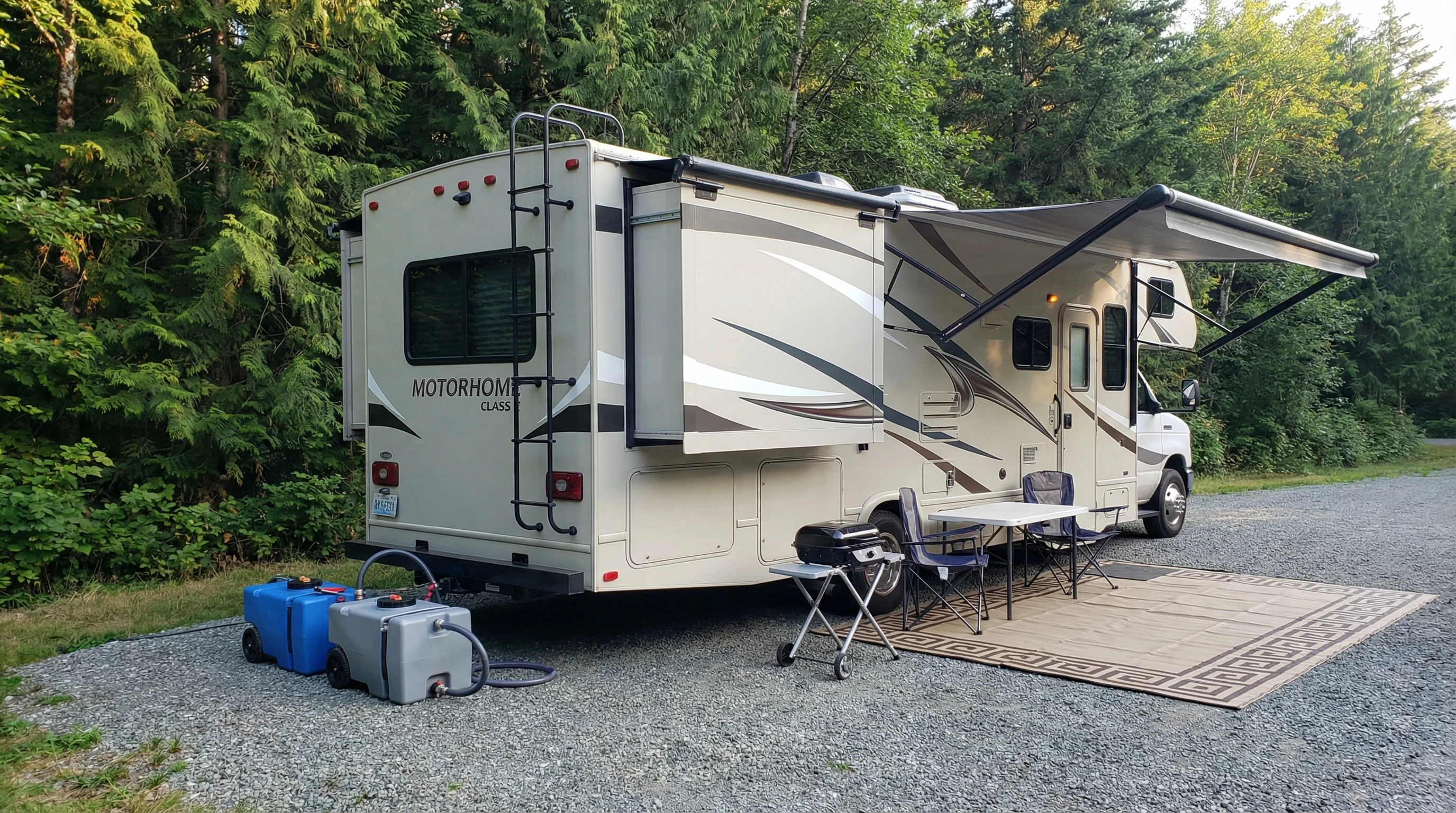
Understanding RV Waste Types and Problems
RV waste is not just one thing; there are three main types you’ll deal with: black water, grey water, and garbage. Black water comes from your toilet and needs the most care. Grey water is from your sinks and shower, usually less harmful but still not safe to dump freely. Trash includes anything from food wrappers to broken gear.
I learned early on that skipping proper waste handling can get you in trouble fast. Foul odors, clogs, and even wildlife issues can pop up. Plus, if you aren’t careful about your dumping routine, you’ll find yourself scrambling for a dumping station when your tanks are full, and that’s never a good feeling when you’re way off the beaten path.
Local rules on waste disposal can change depending on where you roam, and dumping illegally or carelessly can lead to serious fines. It’s also just good camping etiquette to make sure you’re not polluting the wild places you love to visit. Keeping waste sorted and under control is key for both your own comfort and the health of the land.
In our current Airstream rig, we can safely boondock for three days before we empty our fresh water tank and partly fill our black and grey water tanks. Our black tank can go a week under normal usage, but the grey tank fills up faster. With supplemental fresh water and more army-type water usage, we can comfortably be out a week before services are needed.
Our previous RVs, such as our Super C RV, that had 150 gallons of fresh water, 80 gallons of grey water, 60 gallons of black water, an 8kw generator, and 100 gallons of diesel, allowed us to boondock longer. However, we could not go where our 30-foot Airstream trailer can.
Getting Your RV Waste System Ready for Off-Grid Living
Before you leave the campground, it’s worth taking a look at your RV’s plumbing and tank setup. Many rigs come with separate tanks for black and grey water, often marked near the release valves. I recommend starting with empty tanks, as that gives you more time before you need to dump again.
If you plan to boondock often, sturdy portable waste tanks are super useful. These let you haul waste to a dumping station even if your RV can’t leave the campsite. Some travelers use composting toilets, cutting down on black water completely. Composting toilets break down waste into material that’s easier to dispose of safely and doesn’t create bad smells when used properly.
Basic tools like sewer hoses, extra water for flushing, cleaning gloves, and treatments for the tanks are worth keeping handy. There are eco-friendly tank treatments made to cut down odors and help break down waste without the harsh chemicals found in some old-school options.
My Favorite Recommended Sustainable Strategies for Managing Black and Grey Water
- Composting Toilets: These toilets use no water and break down waste with natural materials like coconut coir or peat moss. Many have used one for months and found emptying the solids is a lot less gross than messing with a sloshy black tank.
- Water-Saving Habits: Taking military showers and turning off the tap when brushing teeth means less grey water to empty. Every drop saved is extra camping time before you have to find a potable water source.
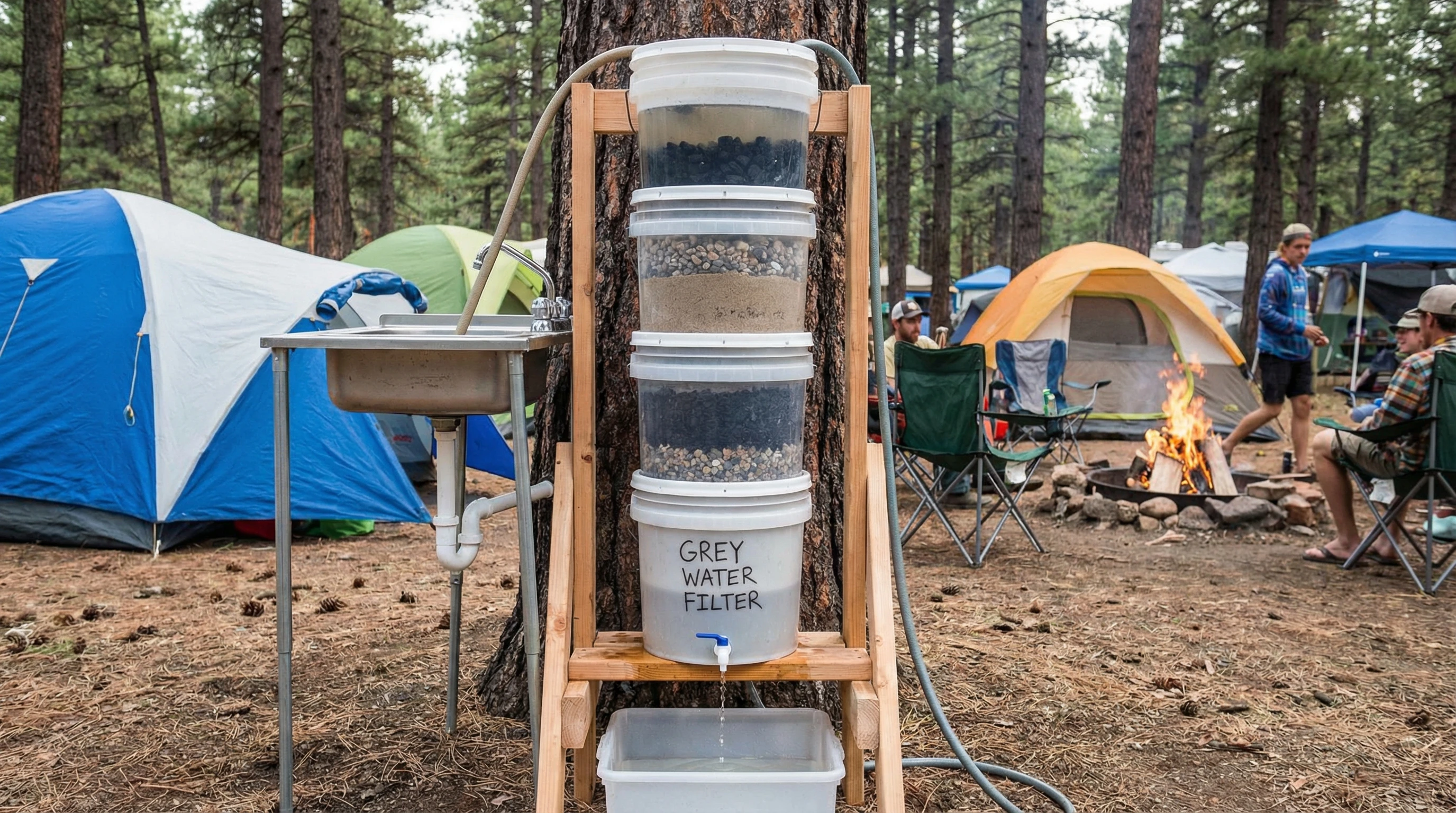
- Grey Water Recycling: Some folks set up simple filtration systems with sand, charcoal, and gravel. This makes grey water safe enough for things like rinsing gear or watering ornamental plants (never edible plants or directly back into nature unless it’s allowed and fully filtered).
- Eco-friendly, Cleaners: I only use biodegradable soaps and cleaners on the road. These break down quickly, helping protect both your tanks and the environment if anything leaks or spills during dumping.
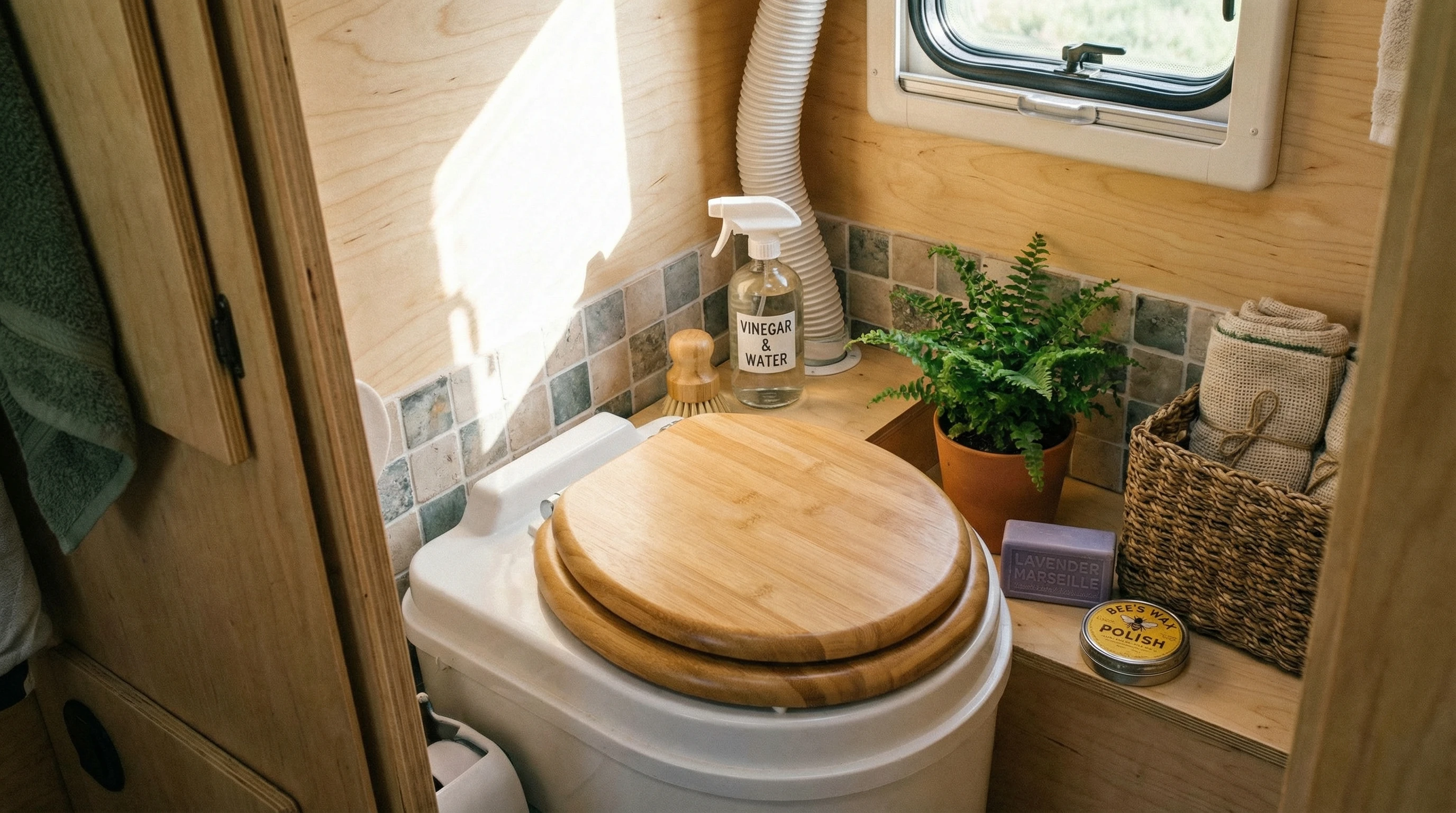
Simple Tips That Make RV Waste Management Easier
I’ve found a few tips that make a big difference in keeping waste under control and reducing your footprint:
- Plan Dump Station Visits: Research sites ahead of time using apps or websites that track down dump station locations. Being prepared saves a lot of stress and lets you enjoy your trip without surprises.
- Use Absorbent Materials: Toss a bit of coconut coir or sawdust into toilets after each use. It keeps things dry and prevents smells in both composting and traditional setups.
- Empty Tanks in the Right Order: Dump black water first, then grey, so the soapy water helps rinse out your hose. That extra rinse makes cleaning a lot easier.
- Flush with Care: Use enough water in your black tank to help solids move out, but don’t overdo it. I’ll sometimes pour in a bucket of water if the tank seems slow to clean out. Having the RV tilted towards the street side a little bit can also help solids to evacuate from the black tank.
- Track Tank Levels: Most RVs have sensors, but they can be inaccurate if they’re dirty. Shining a flashlight on the side of a translucent tank can give a more accurate visual check. If your toilet dumps straight into the black tank, you can shine a flashlight down the toilet to see if the bottom of the tank is visible. You may get the corn report! LOL
It’s also pretty handy to keep a written log or notes on your phone to remember when you last dumped and cleaned your tanks. With a little practice, waste chores turn into a simple routine. When you have had your RV for a while, when flushing, you will be able to tell by sound how full your tank is: I call it the plop factor. LOL
Things to Think About Before You Get Started with Off-Grid Waste Management
Switching to a sustainable routine means thinking about new habits and maybe investing in some gear. Here are some points that helped me:
- Maintenance: Regularly inspect seals and valves for leaks. Catching a loose connection early prevents a big headache later on.
- Trash Reduction: I always try to pack reusable containers, use bulk bins for groceries, and cut down on single-use plastics. It keeps my trash can from overflowing in just a few days.
- Waste Storage: Heavy-duty, odor-locking trash bags, and bearproof bins or lockers work great in areas where critters are curious.
- Legal Stuff: Take some time to read up on local waste rules. A lot of public lands have strict rules about dumping, and messing up can come with steep fines or bans.
- Sanitation: Keep hand sanitizer or soap near the dump station gear, and wash up right after you finish handling waste. It’s an easy way to stay healthy out there.
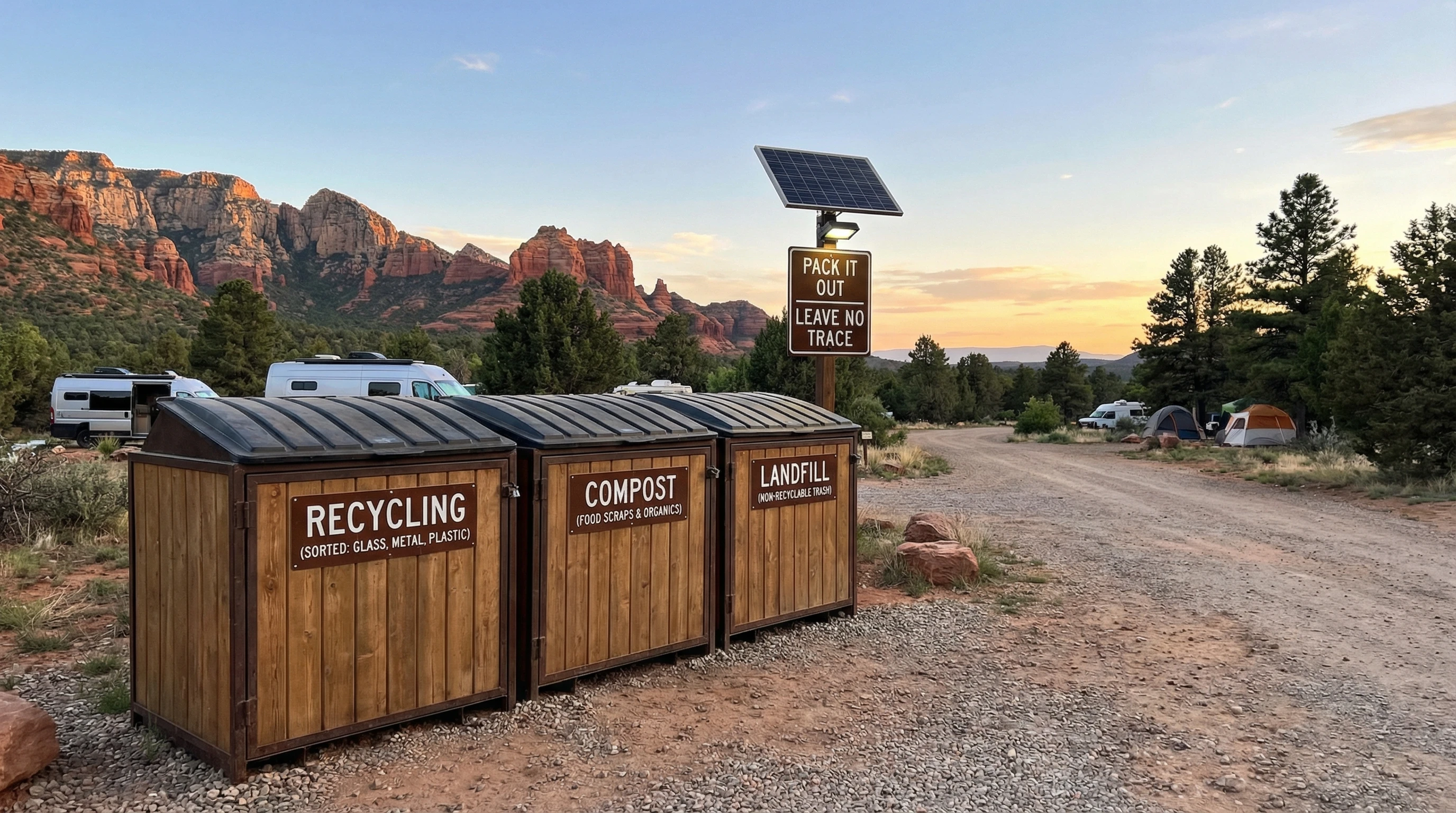
Composting Toilets Tips
Some RVers were nervous the first time they swapped in a composting toilet, but they really appreciated the freedom after a few trips. If you keep up with adding the right bulking agent (like coconut fiber) and stir after each use, you’ll avoid any bad odors.
The main task is emptying the liquid container every few days, especially in hot weather. Solids take longer to fill up and are easy to dump in approved areas or landfill trash, following local rules.
Handling Excess Grey Water
If your tank is getting too full, see if your campsite allows filtered grey water to be used for dust control or irrigation on non-food plants. Always check the rules, though, since policies change by park and state. In some remote areas, you’ll see campers with collapsible holding tanks they can tow to a dump station without moving their entire rig. That’s a great solution if you’re set up for a long stay.
Taking Your RV Waste Game Further: Advanced Tips
Once you’ve got the basics down, a few tweaks can take your off-grid waste setup to the next level:
Build a Custom Grey Water Filtration System: Using buckets, sand, and activated charcoal, you can make a small filter to remove most particles and soap before sending water onto the ground, only where it’s allowed. It saves on tank space and makes stays much longer between dumps.
Solar Powered Tank Monitoring: Some smart sensors work with solar batteries to tell you when tanks are almost full. I find this handy for larger travel groups who fill tanks faster than expected.
Reusable Cloths and Towels: Paper products create a lot of trash and can clog tanks. Switching to washable towels and napkins is good for both your wallet and the environment.
Sharing Dump Runs: If you’re camping with a group, pool your tank dumps or trash dropoffs to minimize trips into town and save fuel.
Every new improvement helps you camp longer, stay legal, and keep the outdoors clean for everyone else, too. If you’re looking to step up your game even further, check out online communities and forums where RVers share their best hacks and updates. Learning from the experience of others is one of the best ways to keep your setup fresh and smart!
Best Gear for Easy and Sustainable RV Waste Management
Here’s a quick list of gear that has really made a difference for me and many other RVers I know:
- Portable Waste Tanks: Great for hauling waste without moving the RV. We just had to use one at a campground with no sewer service. It worked great!
- Composting Toilets: Popular brands include Nature’s Head and Air Head, each known for reliability and easy maintenance.
- Odor-blocking Trash Cans: Look for ones with tight lids and easyclean interiors.
- Biodegradable Chemicals: Brands like Happy Camper and Walex are safe for septic systems and nature alike. We like the Happy Camper (best value).
- Collapsible Trash and Recycling Bins: Easy to store and quick to set up at camp.
- Tank Rinse Tools: Attach them to a hose to keep tanks clean without taking everything apart. An RV with an internal tank rinser is the way to go!
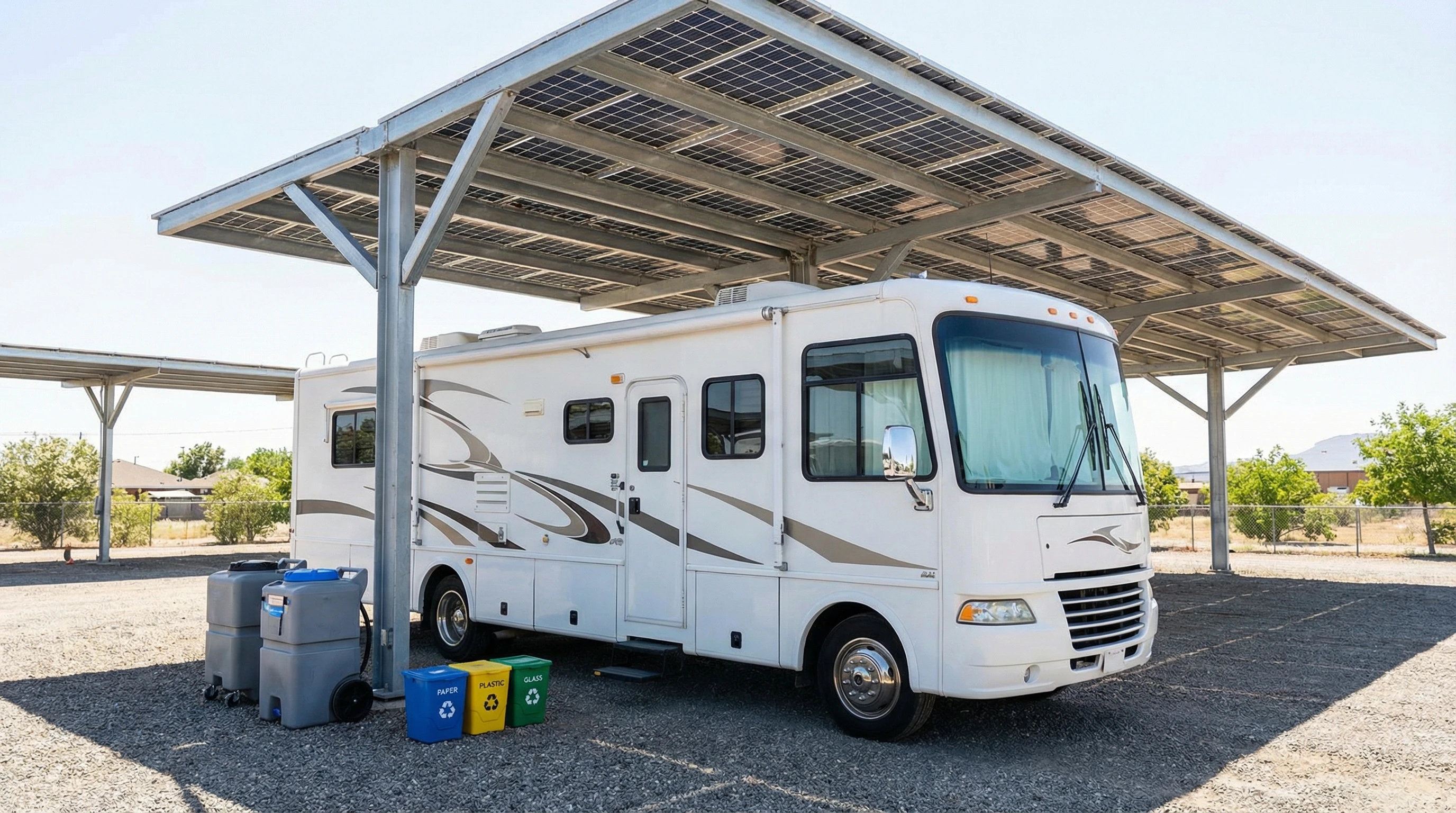
Frequently Asked Questions
What’s the easiest way to extend the time between dump station visits?
Saving water is key. Switch to low-flow showerheads, skip letting water run, and use moisture-absorbing toilet media. Composting toilets help by making black tanks unnecessary, so only grey water fills up.
Are all cleaning products safe to use in RV waste tanks?
Not really. Many household cleaners contain chemicals that hurt septic systems and mess up natural sites. Stick to cleaners labeled RVsafe or biodegradable.
Can I dump grey water anywhere I want?
Only dump grey water where local or park rules allow. Some places require all waste to go into proper stations, while others let you spread filtered grey water in certain areas.
How do I keep my tanks from smelling bad?
Use enough water with each toilet flush, add a scoop of tank treatment, and clean your tanks regularly. Ventilation in your RV bathroom matters too.
Is a composting toilet hard to install in an older RV?
Not usually. You can install most models with basic DIY tools and a few hand-tightened brackets. Some setups use vent fans that tap into your RV’s power, but detailed instructions are available from most manufacturers.
Do eco-friendly waste management habits really make a difference?
Absolutely. Using less water, cutting down on chemicals, and sorting trash helps protect wild places and makes life off-grid easier for everyone.
____________________________________________
For more eco-friendly RV tips, click here.
Send in your questions or share your own off-grid hacks in the comments below, or check out the other guides on this site. Sustainable RV living is more fun and way cleaner when we all pitch in.
LEARN TO LIVE SUSTAINABLY IN YOUR RV AND HELP PROTECT THE PLACES YOU LOVE!
__________________________________________________________
If you want to start a flexible business you can run from your RV while enjoying remote locations, check out this resource. We have been enjoying full-time RV living since 2008!
Traveling and working have never been more doable, even if your water collection setup is a little wild sometimes.
What If Your RV Could Help Pay for the Journey? Could you make money while boondocking?
Many full-time RVers quietly earn money online: writing, recommending products, and building simple digital assets that generate income while they travel.
You don’t need tech skills.
You don’t need experience.
You just need the right roadmap.
👉 Discover the beginner-friendly approach! Take a look at this post on this website.





Recent Comments