
Using Cellular Networks: Choosing the Right Data Plan for RVers
Staying connected while living or traveling in an RV is a huge part of modern RV life. Whether it’s for work, streaming shows, navigation, or keeping up with friends, having the right cellular data plan can make life on the road much smoother.
I want to help you understand what options are available and how to pick a plan that actually fits your travel style and needs.
Why RVers Need Tailored Data Plans
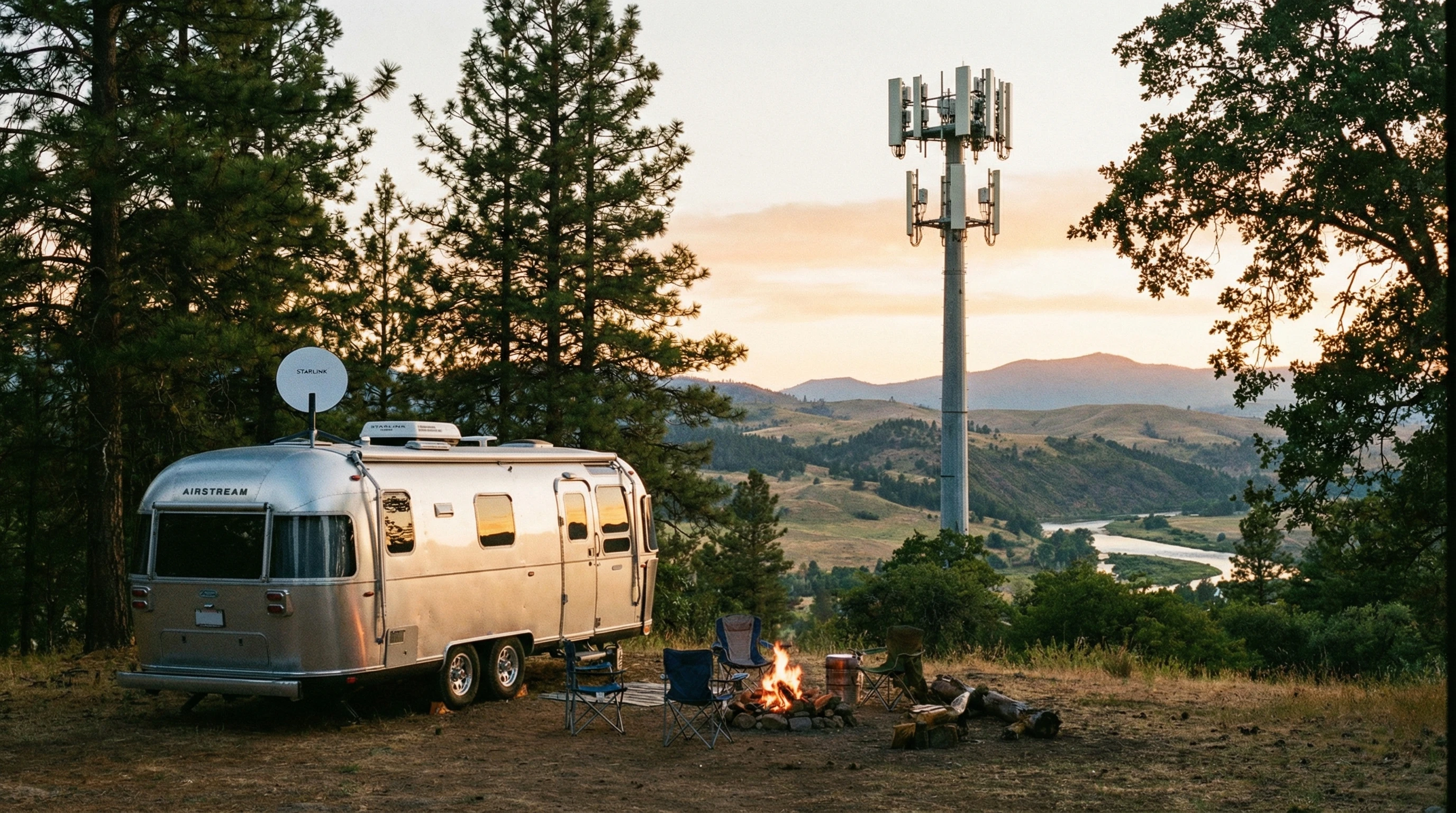
Standard cell phone plans aren’t always the best fit for RV life. When moving from state to state, data needs vary, coverage can change a lot, and some plans might slow down your speeds or stop working altogether in certain areas. I’ve found that getting the wrong plan can mean frustrating dropped signals, surprise overage fees, or struggling with slow speeds right when you need Internet the most.
Most people use way more data in an RV compared to being at home. Streaming, video calls, and work projects use up gigabytes fast. Choosing a data plan built for mobility or adding RV-friendly features makes a big difference when you’re traveling all over.
Types of Cellular Data Plans for RVers
The good news is that there are several choices for RVers now, and each has pros and cons depending on how you travel. Here are the main types:
- Phone Hotspot Plans: Most cell phones let you share your data with other devices. This works if you travel light and don’t need heavy data usage. However, most carriers limit how much full-speed hotspot data you get.
- Standalone Hotspot Devices: These are separate routers that use a SIM card to deliver WiFi to your RV. Some plans come with unlimited data, but actual speed and usage caps still apply depending on the provider.
- Prepaid SIMs: Great for short trips or when you need flexibility. Buy data by the month with no contracts, but these often have less customer support and coverage perks.
- Specialty RV or Nomad Plans: Some companies offer plans designed just for people constantly on the move. These plans sometimes cost more, but they handle roaming, network switching, and higher usage much better.
Mixing and matching these can be smart, especially if you need to guarantee a strong signal in remote parks or while boondocking off-grid. Some seasoned RVers even carry SIM cards for more than one carrier, letting them switch easily based on where they’re parked. This flexibility means you can avoid getting stuck without a signal when you really need to send an important email or check on route changes.
Key Factors to Consider When Picking Your Data Plan
There’s no perfect plan for everyone, but I like to focus on a few details that make the most difference day to day.
- Coverage: Not all networks reach everywhere. Verizon, ATT, and T-Mobile each have dead zones, especially in rural areas or national parks. Checking coverage maps for your usual routes can help you avoid surprises.
- Data Allowance: Unlimited plans usually sound better than they really are. Most have soft caps where your speeds are slowed after a certain point. Know these limits and how you use data for work, streaming, or gaming before committing.
- Roaming and Domestic Use: Some plans exclude Alaska or exclude service in Canada or Mexico, which matters if you plan to cross borders.
- Price and Contracts: Flexibility matters for RVers. Month-to-month plans, no annual contracts, or seasonal pause options help you avoid paying for what you don’t use.
- Device Compatibility: Some plans only work with specific hotspot routers or require certain phones, so double-check your gear before buying. In some cases, an unlocked device will give you much more freedom.
- Customer Support: When something goes wrong, access to quick help can keep you running. Specialty RV data providers that focus on nomads usually do a better job here than big box retailers.
Quick Guide: Steps to Choosing the Right RV Data Plan
Narrowing it down can take a bit of effort, but here’s a basic checklist I use myself:
- Figure Out Your Needs: Add up your normal monthly data usage. If you stream TV and use Zoom a lot, shoot for plans with true unlimited data or very high caps. If you only check emails and browse casually, you might do just fine with 30 to 50GB per month.
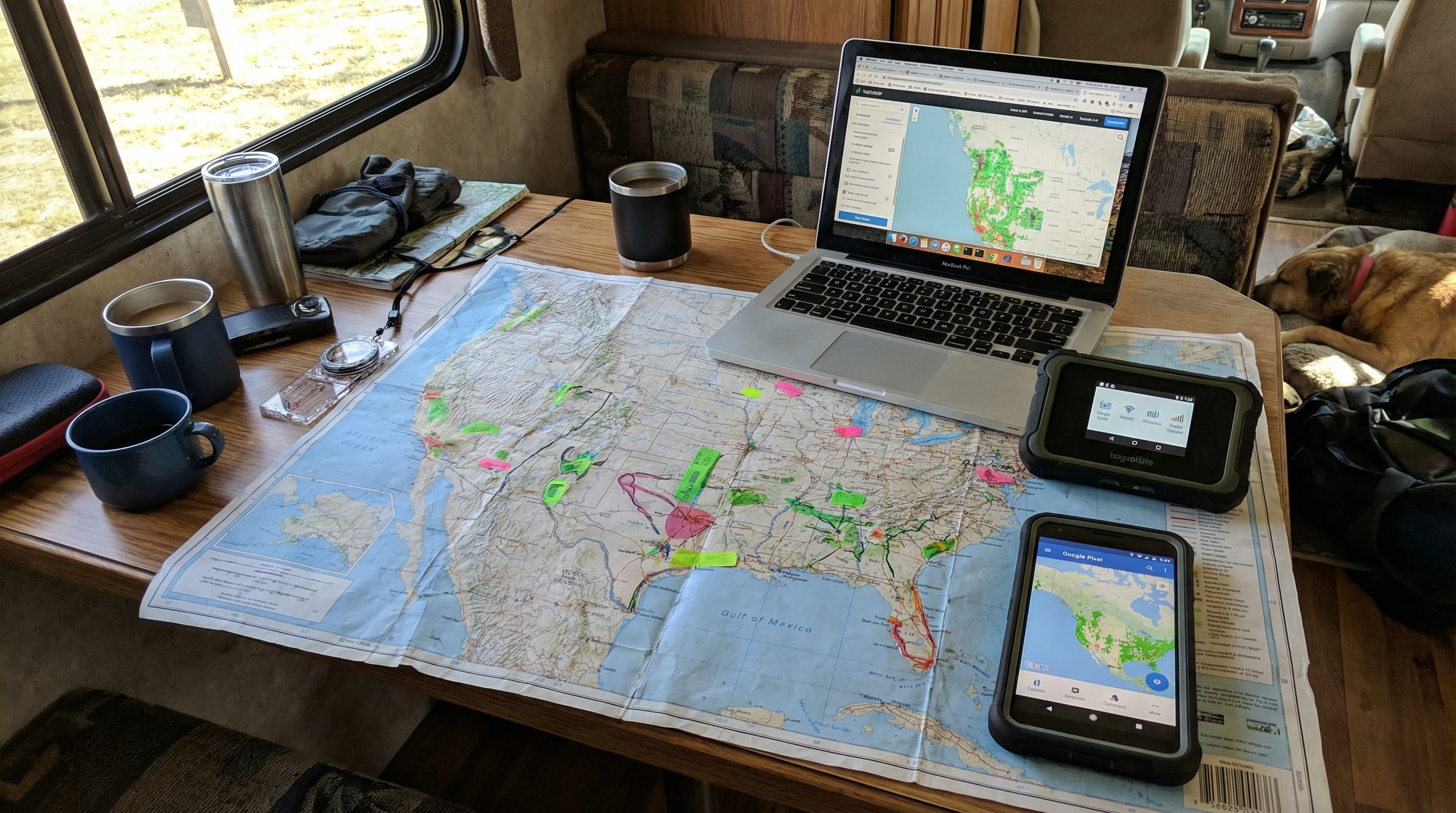
- Map Your Typical Travel Area: Use tools like OpenSignal and each carrier’s official map to see who covers your favorite camping regions best. Sometimes it helps to ask in local RV groups about real-world coverage in places you visit.
- Decide on Device Setup: Will your phone hotspot cut it, or do you want a dedicated mobile router that improves coverage and lets several devices connect?
- Compare Plan Options: Look at each provider’s website and specialty RV connectivity companies. Pay close attention to setup fees, speed throttling, and what happens if you go over your data cap.
- Read Real User Reviews: Websites like r/RVLiving or RV-specific Facebook groups are super helpful for honest reviews. They also share hacks and current promos. Sometimes, RVers share which carriers were best in certain states or parks, which is info you won’t find in marketing brochures.
- Start Small, Scale Up: If you’re unsure, try the lowest commitment plan until you know what works for your travel style. Most companies make it easy to switch up or addon as you go.
Following these steps has saved me both time and money, and I can switch my setup anytime my travel patterns change. Remember, having a backup plan often means the difference between smooth streaming and total dead zones.
Common Cellular Data Challenges for RVers (And How to Handle Them)
Mobile Internet isn’t always smooth sailing. These are a few bumps I’ve hit along the way, and they’re pretty common for anyone using cellular data as their main connection:
- Slow Speeds in Crowded Areas: Campgrounds often fill up with users during peak hours, which can slow data. Having plans from two carriers, or a cell booster, can help get around this issue. You might find one carrier is overloaded, while the other is still usable. Rotating between them keeps you online even when a campground is packed.
- Data Throttling: After you hit your monthly cap, your speed can drop to a crawl, sometimes making streaming impossible. Tracking your usage and setting alerts or using offline downloads for shows keeps frustrations down. You can also schedule big downloads during off-peak times when speeds are less likely to be limited.
- Signal Dead Zones: National Parks and remote camping spots sometimes have zero signal. A quality cell booster or outside antenna can give your hotspot or phone a much better chance of grabbing even a weak connection. Bring along updated offline content to keep boredom at bay during these stretches.
- Firmware or SIM Locks: Buying a new hotspot device that’s locked to one carrier can put you in a bind if their network isn’t available where you travel next. Unlocked devices let you swap SIMs as needed, so always check before you buy new tech.
Handling Dead Zones
Even with the best plan, there are times when coverage tanks. I recommend installing offline maps or downloading podcasts and shows before heading out. For work, scheduling your heaviest uploads, downloads, or video meetings before you drive into spotty territory can keep stress levels in check. Updating your travel apps and info before you hit the road also ensures you have what you need, signal or not.
Managing Multiple Lines and Devices
Consider getting both a personal and backup line, especially if you need the Internet for remote work. Swapping SIMs or rotating devices has helped me keep my connection going even when one plan hits a limit or stops working along the route. Keeping a basic prepaid SIM as a last resort has saved me more than once!
Advanced Tips for Optimizing Your RV Cellular Setup
Once you’ve picked a plan and have a device or two, there are ways to stretch your data and improve reliability. Here’s what I’ve picked up that really helps:
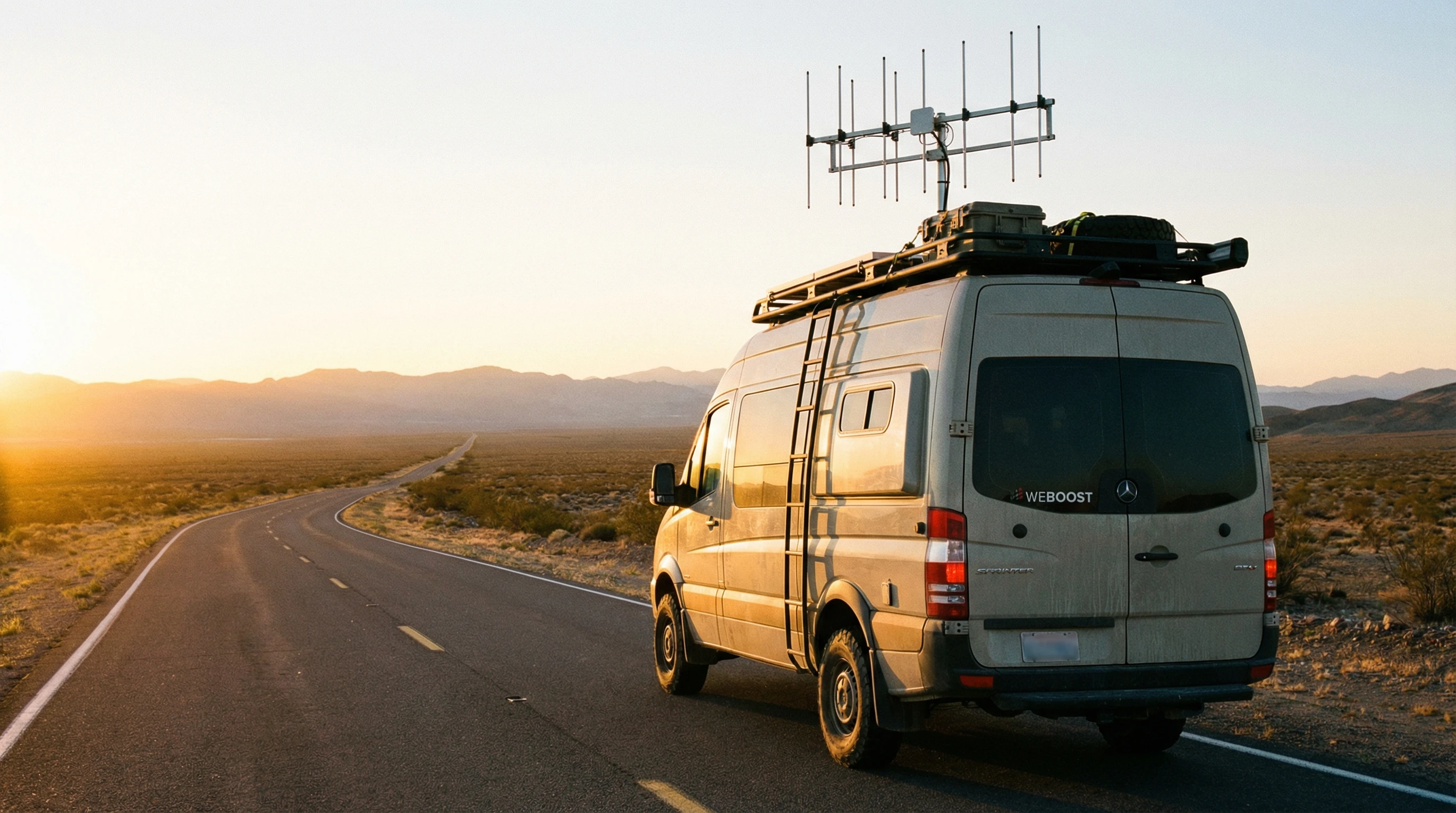
Boost Your Signal: External antennas and cell boosters make a big difference if you’re often in weak signal areas. These gadgets pull in faint signals and send a stronger feed to your hotspot or phone. Investing in a quality booster pays off, especially in mountain, forest, or desert settings.
Prioritize Data Use: Disable automatic cloud backups and software updates on all devices until you get back to areas with strong, fast connections. This prevents blowing through your cap by accident overnight or when you least expect it. It also means your essential apps won’t be slow when data counts.
Offline Everything: Download maps, podcasts, Netflix shows, and YouTube videos before travel days. Offline content uses no extra data and means you’re never bored or lost, even off-grid. It’s a lifesaver for families as well, giving everyone entertainment during those long drives.
Consider Load Balancing: Some routers can combine multiple connections, helping you balance data between carriers or WiFi and mobile data. It’s a little advanced, but great for digital nomads who work on the road. If load balancing sounds intimidating, don’t worry, many internet-savvy RVers are happy to walk newcomers through their setup in online groups.
With these tweaks, I’ve managed cross-country trips with stable work calls and plenty of streaming, even in some pretty rural stretches. Staying connected opens up new possibilities, like sharing your travel experiences in real time or booking campsites on the go. Keep a checklist of these optimization tricks to revisit as your needs change with each trip.
Frequently Asked Questions
These are some of the common questions I get about finding and using cell data plans on the road:
Question: What’s the best carrier for RVers?
Answer: There’s no single best carrier. Verizon generally covers the widest area for rural travel, ATT is second, and T-Mobile does better in cities. I recommend carrying a plan from two carriers if you cross a lot of states. This makes it easier to stay connected in different regions, especially out West.
Question: How much data do I really need?
Answer: Most part-time RVers do fine with 30 to 100GB monthly, but fulltimers who stream, work online, or game often will need a plan with at least 200GB or true unlimited data. Always check for speed restrictions after the cap, since “unlimited” isn’t always truly limitless.
Question: Can I use my phone’s hotspot for everything?
Answer: For light use, yes, but most phone plans limit hotspot speeds after a set amount. If you’re working or streaming a lot, a standalone mobile hotspot device will handle larger data loads. Also, dedicated hotspots tend to have stronger antennas and sometimes longer battery life, making them more RV-friendly.
Question: What should I do if I hit my data cap?
Answer: Look for plans that let you buy extra high-speed data, set alerts to warn you ahead of time, or switch to a backup plan from a different carrier. Planning ahead allows you to avoid losing critical connectivity when you need it most, particularly for remote workers or families traveling with kids needing entertainment.
Question: Is it worth investing in a cell signal booster?
Answer: If you camp often in remote places, definitely. A booster can turn a barelythere signal into a workable one for video calls, uploads, and navigation. For casual campers sticking to well-served campgrounds, it might be less essential, but for offgridders, it’s a total game-changer.
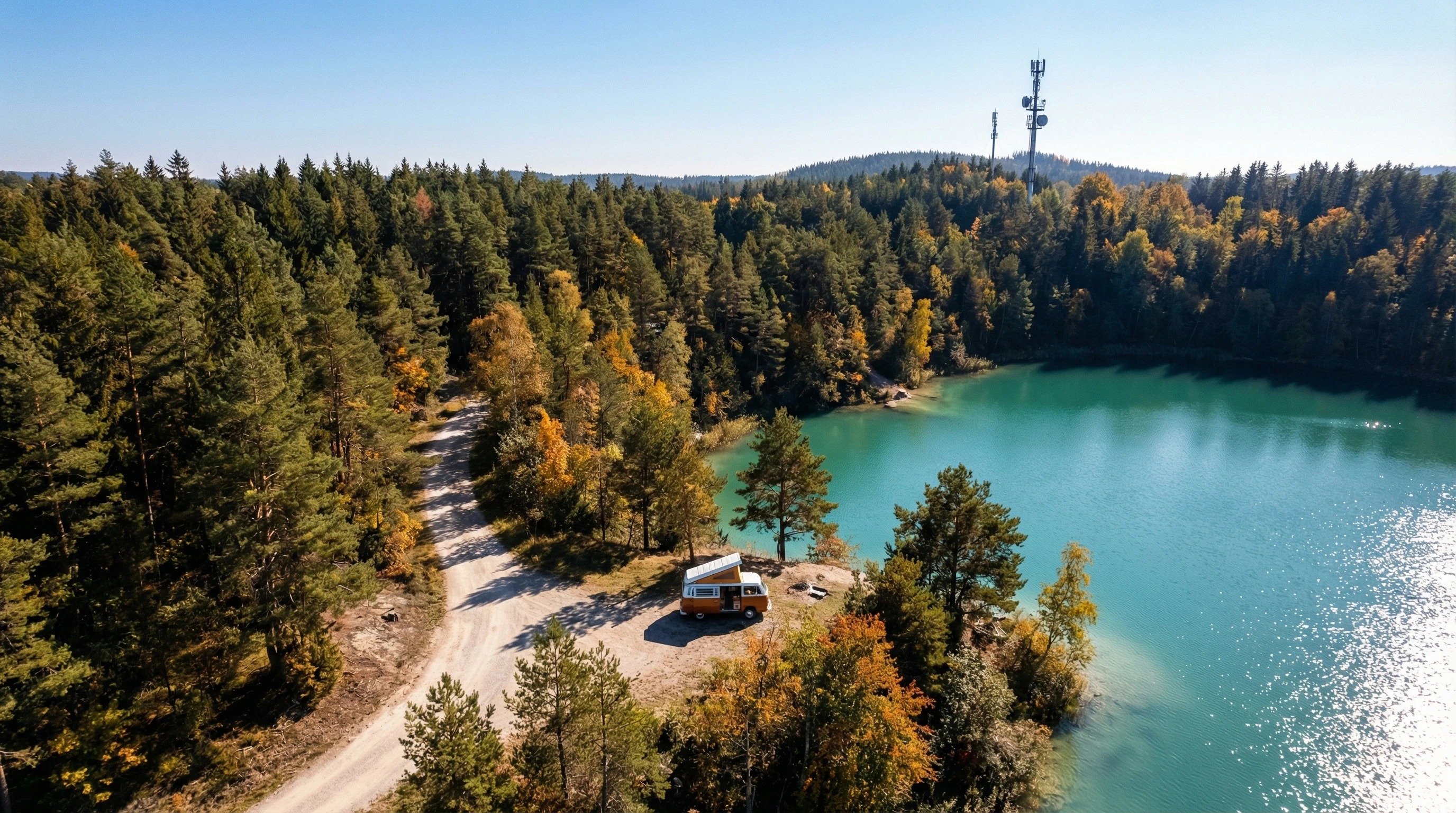
Choosing a mobile data plan for RV living really comes down to flexibility, real-world coverage, and understanding your own usage patterns. I always recommend starting with basic gear, keeping an eye on how much data you really use, and being ready to adapt. With a strong connection, you can work, stream, and explore with way less stress—no matter where the road takes you. The right plan brings peace of mind and lets you focus on the adventure, not your signal bars.
We use the FRVA Tech+ data plan. For $20 per month, per line, for 50G of cellular service. That’s the best deal out there at the current time! For longer-term stays, we like Starlink for signal speed and connectivity!
____________________________________________
To check out more practical RV guides and gear reviews, visit my site here.
Any specific questions about RV data plans? Feel free to drop a comment or browse the rest of my articles for more road-tested advice.
Travel happy and stay connected!
_________________________________________________________
What If Your RV Could Help Pay for the Journey? Could you make money while boondocking?
Many full-time RVers quietly earn money online: writing, recommending products, and building simple digital assets that generate income while they travel.
You don’t need tech skills.
You don’t need experience.
You just need the right roadmap.
👉 Discover the beginner-friendly approach! Take a look at this post on this website.




Recent Comments