
Where Can You Find the Best Off-Grid RV Campsites?
Finding the perfect off-grid RV campsite brings a sense of pure freedom. I love being far from crowded RV parks, surrounded by the beauty of nature. Figuring out where to go and how to prepare comes with some challenges, though. Here’s my guide for how to find the best off-grid RV campsites and have an enjoyable, hassle-free adventure every time.
Understanding Off-Grid Campsites
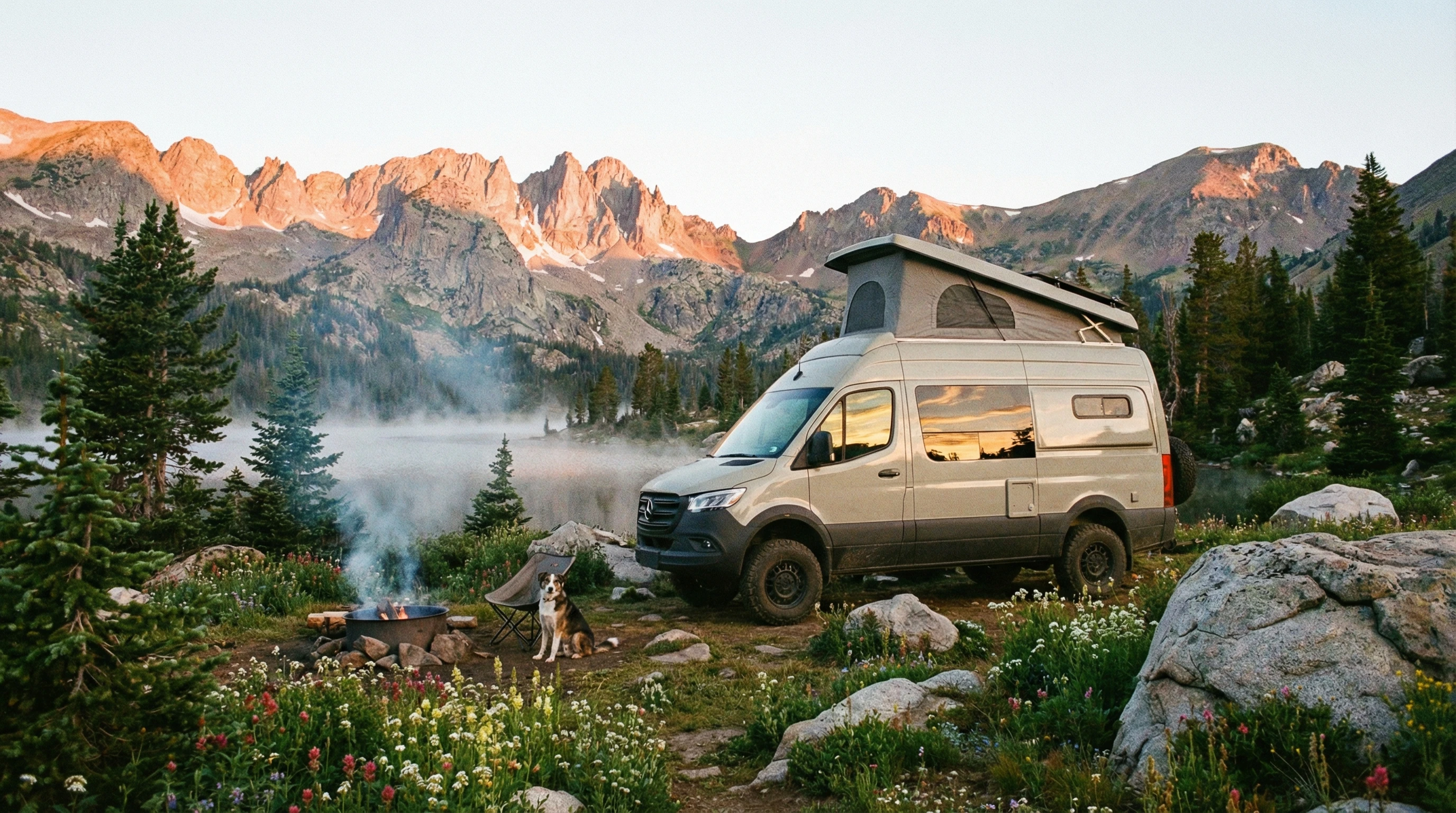
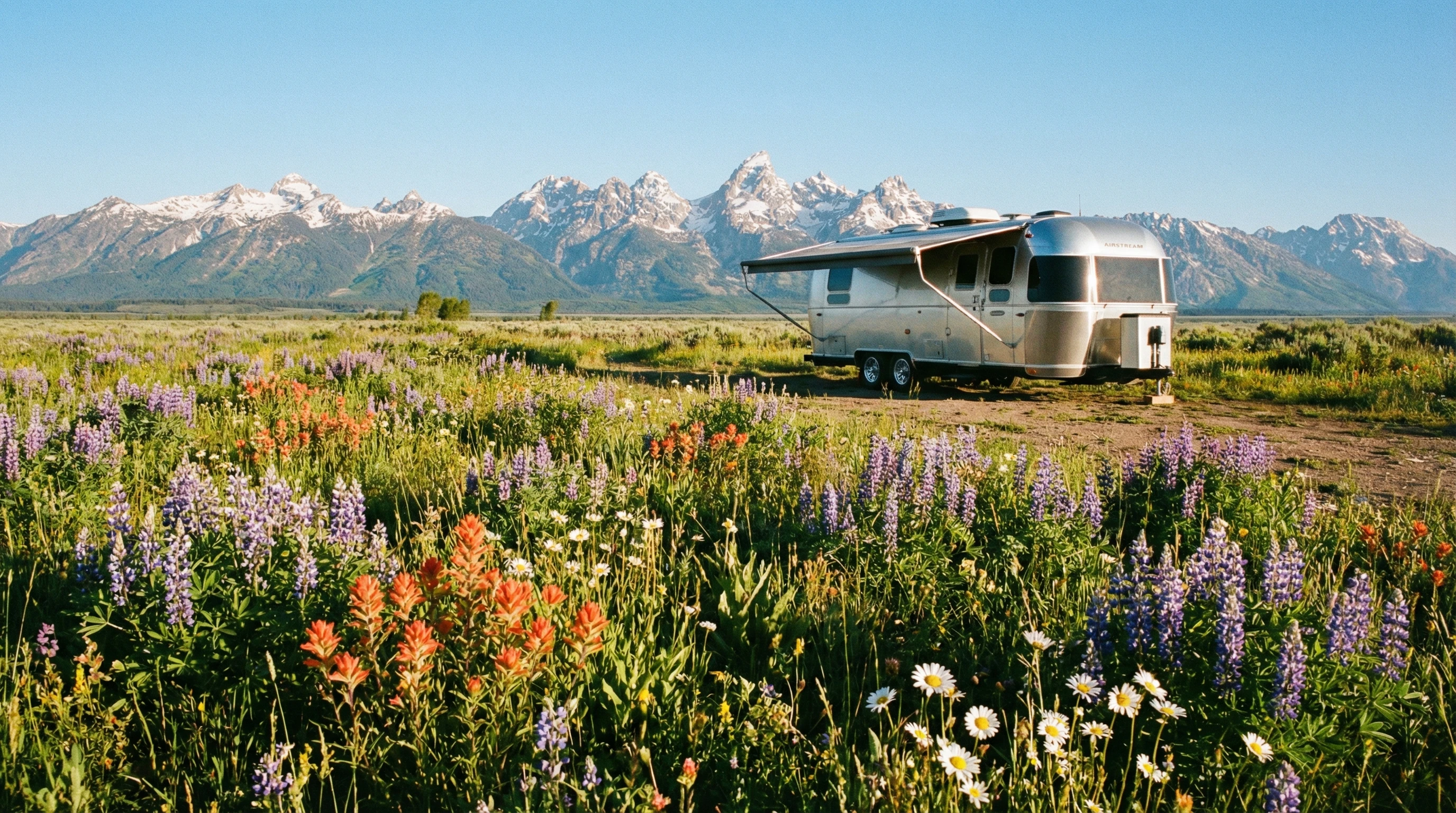
Off-grid (or boondocking) RV camping means staying somewhere without hookups. There’s no electricity, water, or sewer connections. The real reward is waking up to remote mountain views, peaceful forests, or desert quiet instead of busy campgrounds. That first cup of coffee enjoyed in solitude or with a sweeping sunrise view is something special.
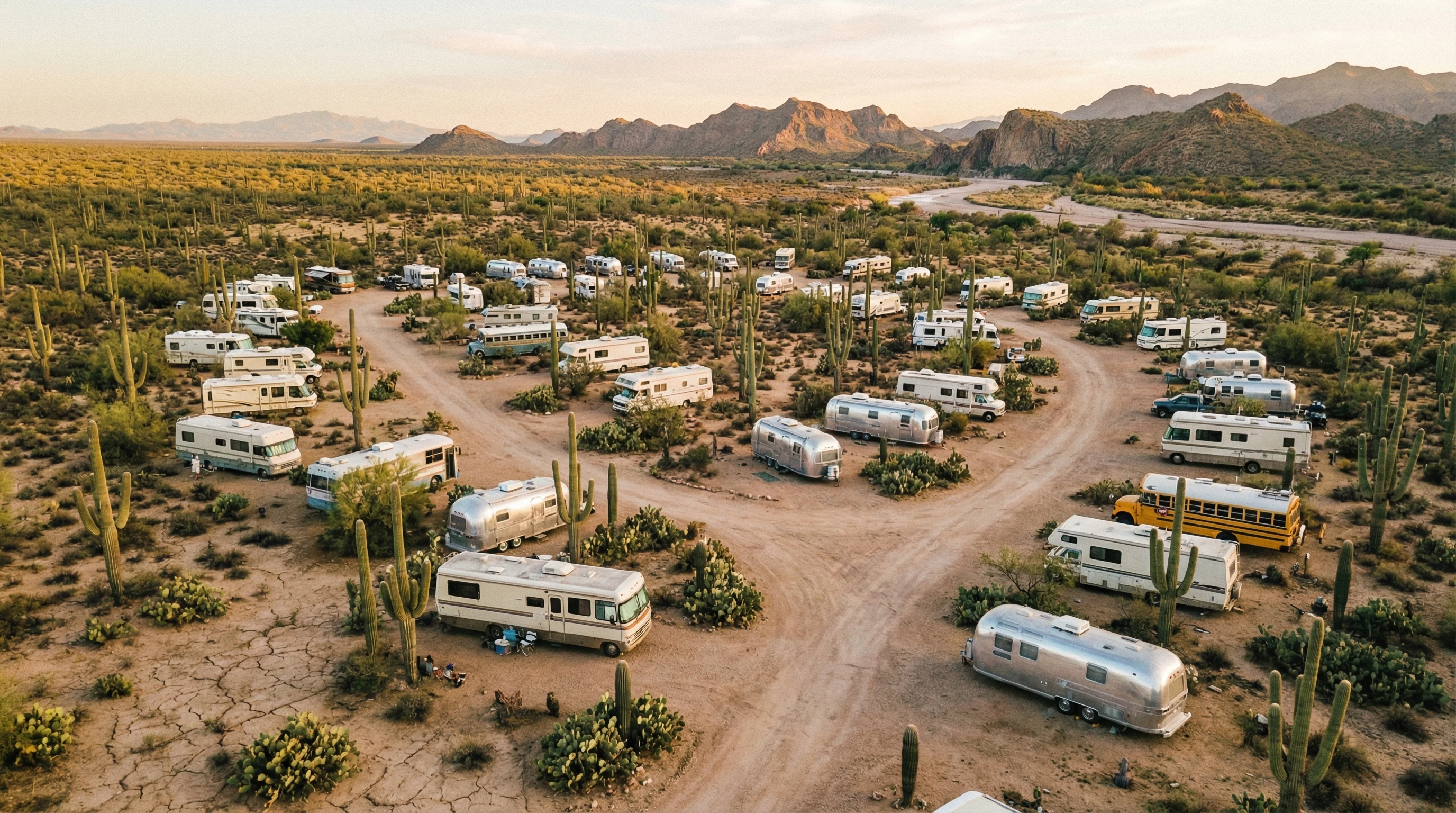
Common places to track down off-grid camping include public lands, like national forests or Bureau of Land Management (BLM) areas. These spots are usually first-come, first-served, and sit in scenic places you won’t see from the interstate. Staying off the grid saves money and opens up more interesting routes. For those willing to unplug a bit, boondocking is a pretty next-level cool way to see more wild places.
Besides national forests and BLM sites, you might stumble upon county parks, hidden meadow pullouts, or even large ranches that occasionally open to RVers. Each place offers its own landscape and mood, with opportunities for wildlife watching, stargazing, or just getting some real peace and quiet.
Top Places to Look for Off-Grid RV Campsites
There are so many amazing public lands that offer free or low-cost camping. My favorite resources include:
- National Forests: Spread across the country, these allow dispersed camping (basically parking in a designated area off-trail or dirt road) with some rules to keep it safe.
- Bureau of Land Management (BLM): Popular out west, the BLM manages huge spaces that are often open for RVers to stay for up to 14 days.
- State Trust Lands and Wildlife Areas: These might require a permit or a small fee but can have beautiful, empty spaces.
- Wildlife Refuges and Remote Parks: Often overlooked, some allow overnight camping during certain seasons.
A quick stop at the local ranger station or a call to the land management office can help you avoid breaking any rules and keep you in good standing. I also use apps like Campendium, iOverlander, and FreeCampsites.net to check reviews and user tips for specific spots. These communities keep listings up to date and highlight both hidden gems and new regulations.
What To Bring and How To Prepare
Boondocking brings more adventure, but it asks for extra planning. Here’s a rundown of what I always make sure to have:
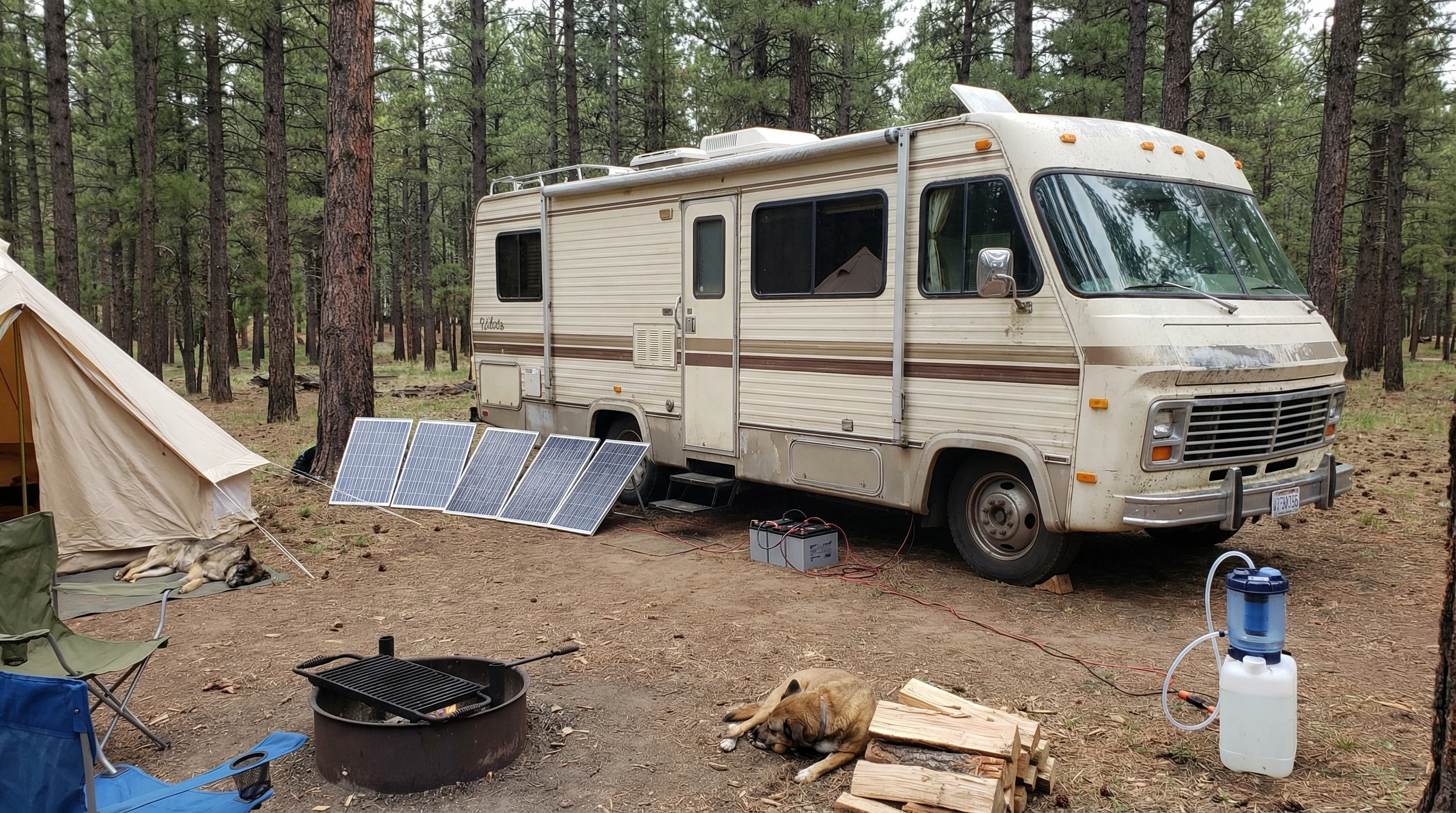
- Extra Water: Dry camping means you don’t have a faucet nearby. I carry extra jugs so I can stay longer without needing a refill.
- Batteries and Solar Power: Keep all devices and lights powered. Solar panels work great out west; portable batteries help on cloudy days, and having an inverter can let you power small appliances. Learning how much juice your rig needs can save you headaches later.
- Trash Bags and Cleaning Supplies: Since there’s no garbage pickup, I always pack out every last wrapper or bottle. It helps to use reusable containers and bags to cut down on the overall waste you make.
- Propane or Alternative Cooking Options: My stove runs on propane, but having a backup like a butane camp stove or grill is smart. A small charcoal grill gives extra flexibility for longer stays.
- FirstAid Kit and Emergency Supplies: Better safe than sorry, and mobile reception can be hit or miss. I toss in a satellite messenger if I’m headed way off the map.
- Tool Kit and RV Repair Items: A flat tire or minor leak can cause big trouble in remote areas. Simple gear like a tire inflator, duct tape, and basic tools makes a world of difference.
I like to check my lists and double up if I’m heading deep into the backcountry. Running out of water, power, or propane miles from town can really throw a wrench in the fun. Always check your tank levels before you head out, and don’t assume you’ll be able to replenish supplies nearby.
How To Find and Choose a Great Off-Grid Campsite
The best campsites aren’t always the first pullout you see. I look for a few specific things before I call it home for the night:
- Flat, Firm Ground: This makes for an even rig and easy sleeping. Parking on a natural surface like gravel or dry grass is better for both your vehicle and the land.
- Distance From Roads: Quieter spots a little further down a forest route give more privacy. If you get too far, you may struggle to get out again, especially after rain, so weigh distance and convenience.
- Sun or Shade: Solar panels need sun, but trees help cool in hot weather. I like an east-facing spot for morning coffee in comfort and look for shade in the afternoon heat. If you have solar, scout out the tree cover before settling in.
- Sufficient Cell Signal (if Needed): Some off-grid folks want total unplugged time, but I try to check for at least a bar or two. In case of emergencies or for remote work, a little extra signal gives peace of mind.
- Proximity to Water or Trailheads: It’s pretty handy to step outside and hit a hiking trail or enjoy a fishing spot just a few feet away.
I usually drive the area a bit, keeping an eye out for muddy ruts, overhanging branches, or flood-prone spots. Reading recent reviews on camping apps can let you know if a road has been washed out or a campsite is closed for the season. Helpful signs like existing fire rings and a clear parking space show that the spot has been used before, a great way to leave less of a new impact.
Don’t forget to ask fellow travelers you meet on the road a quick tip from someone who stayed in the area last week is worth gold and can lead you to the coziest sites.
Respectful and Sustainable Off-grid Camping
Staying off-grid comes with responsibility. Here’s what I stick to so those epic locations stay beautiful for the next camper:
- Pack It In, Pack It Out: This isn’t just about taking your trash. I collect microtrash, too. Bottle caps and food wrappers have a way of sneaking away in the wind.
- Leave No Trace: I try to keep my camp on durable surfaces and avoid disturbing vegetation or wildlife. Sometimes using old sites means less new disturbance to the land.
- Use Fire Carefully: In dry areas, I usually opt for a propane firepit or no fire at all. Wildfires can start from the smallest spark, and most areas monitor fire bans closely. Always check for current rules before lighting up.
- Respect Time Limits: A lot of public lands have stay limits (usually 14 days in one area). Rotating around keeps things fair for everyone and helps prevent wear on the most beautiful spots.
Practicing these simple habits means the best off-grid spots will stay wild and welcoming. Take the time to restore your site as you leave; sometimes, picking up extra litter or smoothing out ruts helps keep the wilderness healthy for others.
Common Challenges and How To Handle Them
Off-grid camping is rewarding, but a smooth trip is all about being ready for a few hurdles:
- Getting Stuck: Muddy or sandy roads can become a problem fast. I keep traction boards, a shovel, and a tow strap handy just in case. Scout road conditions ahead of time by asking locals or checking recent traveler reports.
- Losing Power: Running out of battery is a pain. I conserve by switching to LED lights, charging during peak sun, and running off an inverter only when absolutely needed. Sometimes a simple adjustment, like putting your fridge on propane, stretches your battery much further.
- Noisy Neighbors or Crowds: Even remote sites can get popular. I try to go midweek or outside busy seasons for the best shot at solitude. For more privacy, explore less famous areas or hike a bit further from main roads.
- Wildlife Encounters: Bear spray and careful food storage make a big difference in bear country. In snake or scorpion zones, shaking out shoes before slipping them on saves big trouble. Keep pets and food inside to prevent unnecessary run-ins with local critters.
Not every trip will be perfect, but learning from each one makes the next that much better. I keep notes on campsites I visit so I can return to the best ones or skip the not-so-great spots next time. Watching weather trends and local advisories is also key; sometimes floods or fire closures pop up without much warning.
Advanced Off-Grid Camping Tips
For those ready to venture further or stay longer, there are some next-level moves I’ve learned that make life more comfortable:
- Water Management: Gray water can pile up fast. I use biodegradable soap for dishes and wipe down cookware before washing. It saves on both water and tank space, and a spray bottle can stretch your supply for quick washes.
- Power Hacks: Swapping halogen bulbs for LEDs inside the rig makes a noticeable difference. Keeping devices on airplane mode when service is weak stops them from burning battery looking for a signal. Having a solar shower bag in sunny spots can mean longer stays off-grid.
- Weather Awareness: In high winds or storms, I never park under dead trees. Sandbags or leveling chocks help anchor the RV when gusts hit. Portable weather radios or checking radar apps before heading out reduces unexpected surprises.
- Safe Travel: Downloading maps ahead of time is super important. I always carry a backup paper map just in case technology fails. Plan routes that have alternate exits in case you need to leave in a hurry due to weather or other hazards.
I also keep my rig ready to move on short notice since weather and road conditions can change fast in remote areas. Making sure you have enough fuel for a quick exit or an unexpected detour prevents major stress.
Frequently Asked Questions (FAQ)
How do I find out if an off-grid spot is legal to camp?
Check public land websites (like the National Forest Service or BLM pages), call local ranger districts, or use apps that show legal boundaries. Look for clear rules posted at entrances and gate signs. If you’re ever unsure, ask before you set up camp.
What’s the safest way to handle waste when boondocking?
Pack out all trash and food scraps. Use dump stations for tanks, and never dump gray or black water on the ground. Some portable toilets are made for boondocking and seal waste safely until you reach town. Always use biodegradable soaps for washing up and follow local waste rules.
Are campfires allowed at every off-grid campsite?
Fire rules change with the season and weather. Always check for fire bans and, if allowed, use only established rings. Never leave a campfire unattended, and douse it completely before leaving. In some places, propane firepits are a safer option and allowed when wood fires are not.
How can I make sure I’ll have cell service at my campsite?
Research in advance using coverage maps, and read app reviews for recent info. Consider a cell booster or buy a prepaid SIM from a network with better coverage in rural areas. Sometimes, service is only up on a nearby hill or ridge. Download maps and emergency contacts before you lose signal to stay prepared.
Can I just show up at public lands, or do I need a reservation?
Most dispersed campsites don’t need reservations, but popular ones fill up fast during busy times. Plan to arrive early or travel midweek. Some places might require a permit, especially near national parks or protected areas. Always double-check local rules so you don’t end up without a place to stay.
Final Thoughts and Further Resources
Off-grid RV camping opens up a new world of travel, one where every sunrise is yours and every view is just for you. If you’re ready to skip the crowds and plug into nature instead, careful planning and the right attitude are all you need. A flexible spirit and willingness to learn on the fly will get you farther than any gadget.
Looking for more info on RV living? Read this boondocking guide at RV Camping for super detailed tips and legal updates. If you have a question, feel free to drop it in the comments below!
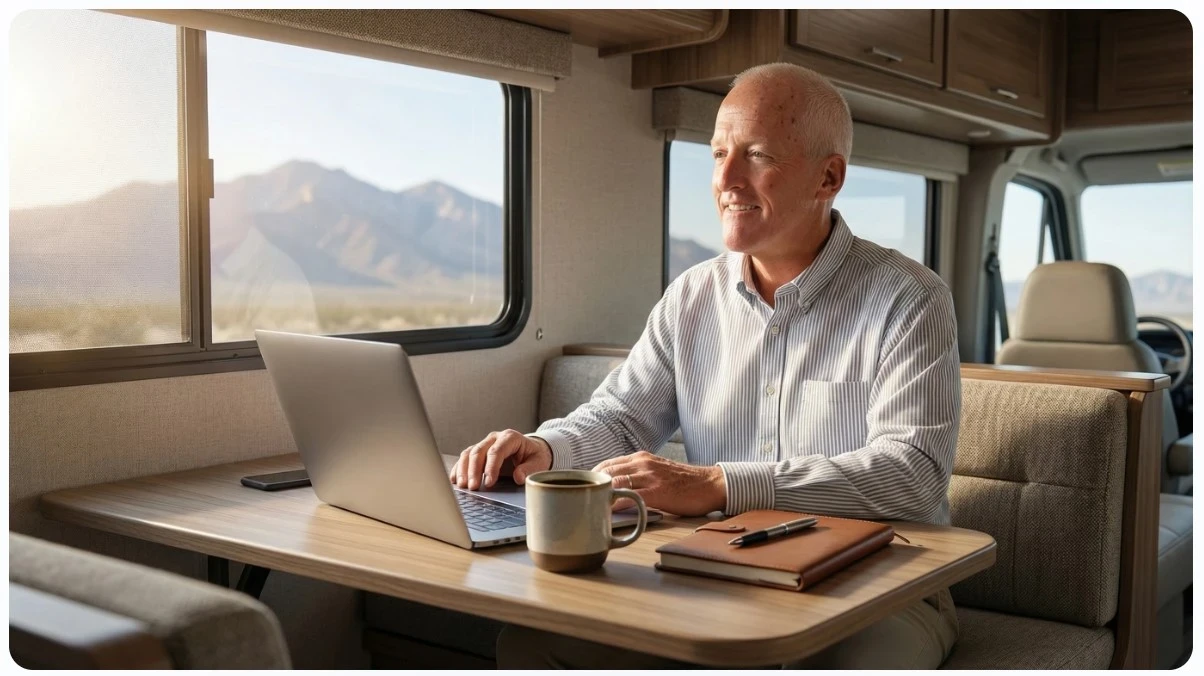
Want to keep traveling and working from wherever your home-on-wheels takes you? See my article on RV internet options to stay connected even in the wildest places.
_________________________________________________________
What If Your RV Could Help Pay for the Journey? Could you make money while boondocking?
Many full-time RVers quietly earn money online: writing, recommending products, and building simple digital assets that generate income while they travel.
You don’t need tech skills.
You don’t need experience.
You just need the right roadmap.
👉 Discover the beginner-friendly approach! Take a look at this post on this website.



Recent Comments