
How Do RV Digital Nomads Balance Work and Travel?
Balancing work and travel as an RV digital nomad can be both rewarding and challenging. Juggling projects, keeping up with meetings, and soaking in new destinations takes a special routine.
I’ve learned first-hand how small tweaks to my setup and mindset can make remote work from the road not just possible but genuinely enjoyable.
Whether you’re dreaming about full-timing or already parked by a sandy beach, these practical tips will help you keep your workflow running smoothly while you explore the open road and create memories at every turn.
Getting Your RV Set Up for Remote Work
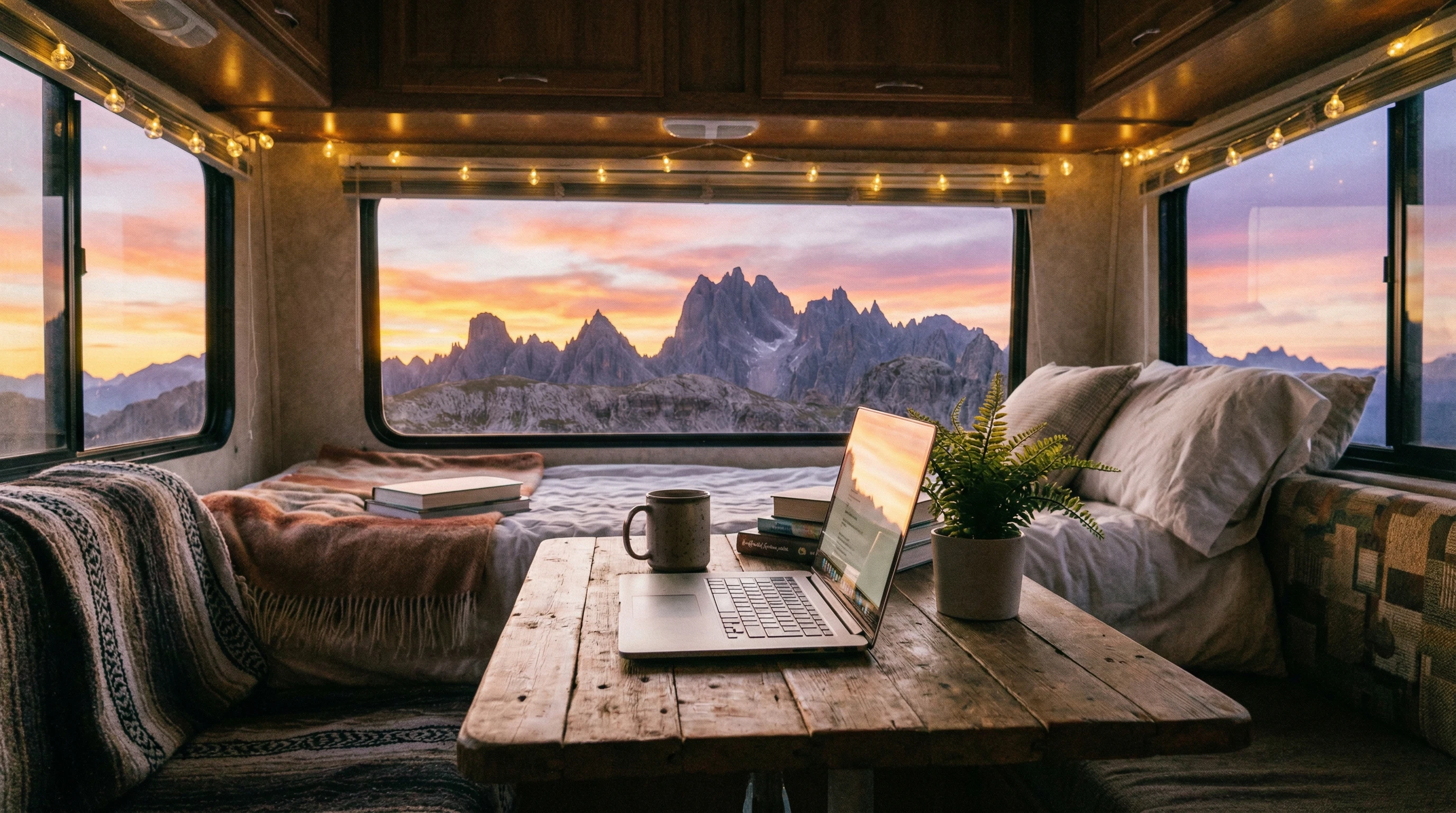
Turning your RV into a functional workspace is super important for productivity and comfort. Space is always a premium, so I usually look for multipurpose furniture and gear that keep things organized without clutter. Folding desks, drawer organizers, and a comfortable chair that tucks away all make a difference.
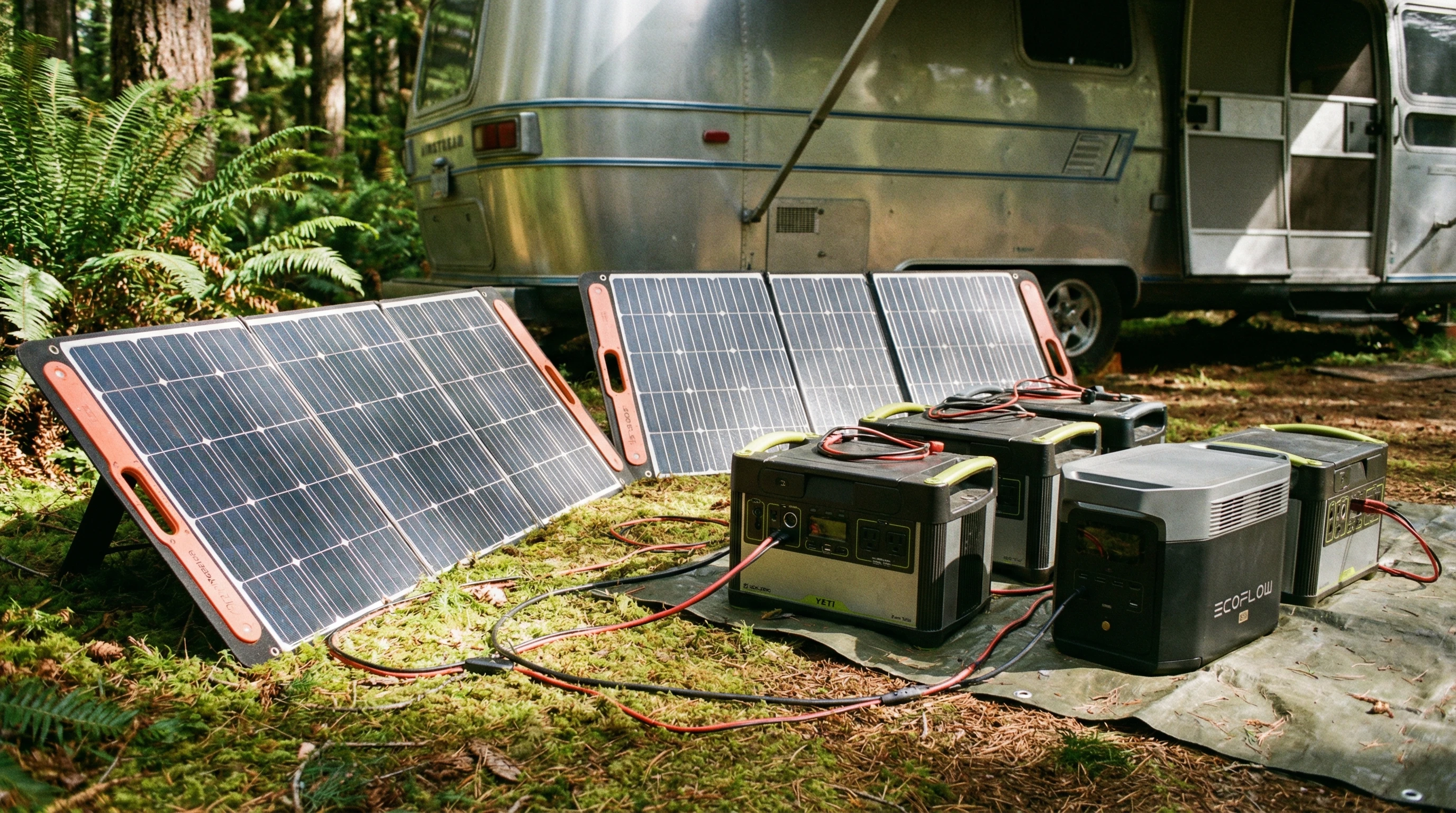
Power is another big part of the setup. I rely on solar panels and portable batteries to keep my laptop and WiFi devices charged all day. Having a solid power plan means fewer interruptions, especially if you’re boondocking or staying in places without hookups.
Good lighting helps on cloudy days or whenever you’re clocking hours after sunset. I keep a mix of LED puck lights and a small daylight lamp for video calls so my workspace stays bright while not draining too much energy. Finding a quiet spot in your RV where you can focus also helps signal that it’s work time, even if you share the rig with someone else.
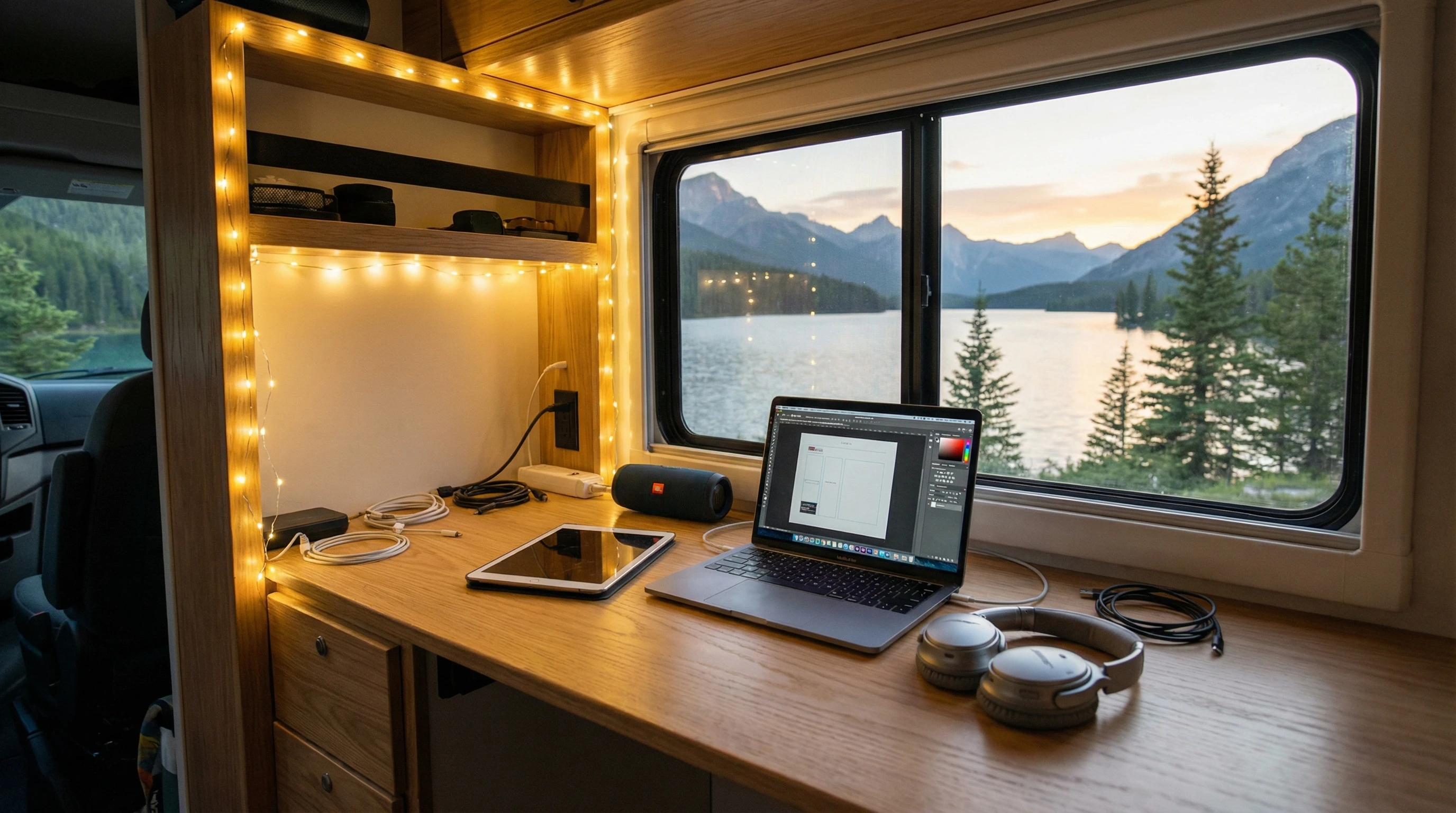
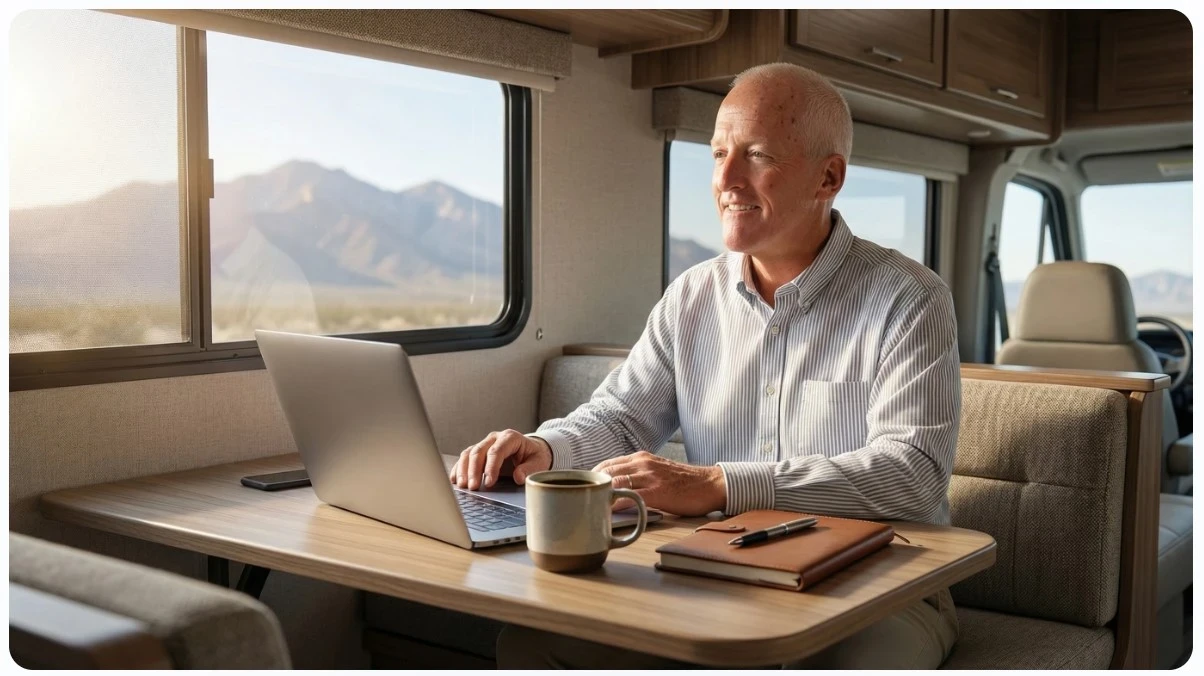
Designating a specific zone of the RV as your work corner can step up your focus. I like to set up near a window when possible to take in inspiring views, giving my mind little mental breaks throughout the day. If you travel with family, working with noise-canceling headphones and letting everyone know your schedule makes things run a lot smoother.
When space is tight, a simple lap desk turns any nook into a mini office in seconds. Being creative with space usage is essential for making the most out of your on-the-go lifestyle.
Reliable Internet: Staying Connected on the Road
Your internet connection is what makes remote work possible. I stick to two main tools: a mobile hotspot plan and a booster. Mobile hotspots from cell carriers let you work almost anywhere as long as you have a signal. I usually pick plans with lots of high-speed data to avoid overages, since video calls and file uploads eat up bandwidth.
A WiFi booster or cell signal booster can turn a weak, frustrating connection into something totally usable. These gadgets are not too pricey and often save you from hunting for coffee shops or campgrounds with free WiFi. If I know I’ll need rock-solid internet, I’ll check cell coverage maps before picking a spot for the week.
It’s smart to download key documents or videos ahead of time in case you land somewhere more remote than expected. Flexibility is helpful if you want to enjoy those hidden gems off the beaten path without missing a deadline.
If you’re venturing into national parks or rural areas, checking coverage maps of different providers before committing to a site can save a lot of headaches. Occasionally, a campground might list WiFi as an amenity, so ask travelers around you about actual speeds.
Having backup offline tasks, from reading or writing drafts to updating digital notebooks, ensures you use every pocket of downtime productively.
Practical Time Management Tricks for RV Nomads
Remote work isn’t all about freedom; solid routines keep you moving forward. I start my day with a simple to-do list and block out work hours, then set clear boundaries for downtime. Sticking to a schedule builds momentum, and it also shows clients or coworkers you’re reliable, even if you start meetings with a backdrop of snowcapped mountains.
Distractions pop up on the road, from loud neighbors to a perfect sunny hike calling your name. When I hit busy work stretches, I let my fellow travelers know ahead of time. A “do not disturb” signal or headphones help cut down on interruptions.
Apps like calendar planners, task managers, and Pomodoro timers help keep track of projects and deadlines. It’s very easy to feel pulled in ten directions without these helpers keeping your workday structured. I also leave buffer time between meetings to step outside for a quick walk. Fresh air can reset your focus in just a few minutes.
Adapting your routine to the local time zone is especially useful if you’re working with teams from different locations. I recommend reviewing your task list the night before to prep for the day ahead, which leaves more time for actual productivity when morning comes.
Setting recurring reminders helps you remember to take care of small, easy-to-forget tasks, like checking in on emails or touching base with important contacts.
Making the Most of Travel Days
Travel days can eat into productivity if you’re not prepared. I usually treat days spent driving or setting up camp as low-effort work days. Catching up on calls or audiobased tasks is easier when parked at a rest stop or scenic overlook. Big projects or deep focus work get pushed to days when I’m settled and connected.
I keep a mobile kit packed with my laptop, chargers, and basic office supplies so I can work from a picnic table, visitor center, or even inside the RV when stuck in a tight spot. Sometimes finding a cozy spot at a library or local park gives the workday a fresh vibe, plus you can plug in and use their WiFi.
To keep travel days relaxed, mapping out potential stops with strong cellular signals and backup public WiFi locations helps a lot. Whether it’s jotting down ideas quickly or listening to work-related podcasts, you can still make progress even while moving.
Keeping a few favorite snacks on hand and prepping easy meals ensures you don’t get derailed by hunger or last-minute grocery stops. After your travel chores are out of the way, staking out local attractions for an hour or two makes even the busiest drive feel rewarding.
Handling Challenges On and Off the Clock
Things go sideways on the road sometimes, whether it’s spotty internet or unexpected repairs. Keeping a backup plan, like a list of nearby coworking spaces, libraries, or cafes, can save the day when your setup isn’t working.
Weather can shake up both the travel schedule and your motivation. Rainy days are great for catching up on work or deep cleaning your inbox. Sunny days are perfect for outside calls or fitting in sights before the crowds roll in. Staying adaptable helps ease pressure when plans change suddenly.
- Communication: Keeping clients and teammates in the loop is really important if you’re going to be out of range for a bit. A quick text or update saves everyone from worrying or guessing.
- Health and Routine: It’s easy to skip meals or movement when you’re deep in a project. I block time for walks, stretches, or a bike ride to keep energy high and stress in check.
With a little planning, you can tackle most of these common hurdles and stay productive on the go. Building in time to unwind after tough days, whether you’re having a campfire, enjoying a simple meal, or just soaking up nature, does wonders for your morale and long-term focus.
Sharing tasks with your travel companions, like switching up who takes care of meals or driving, can free up valuable work time, too.
Essential Tools and Gear for Staying Productive
Certain gadgets and apps just make the digital nomad life way smoother. I always keep a reliable surge protector for charging devices safely. Noise-cancelling headphones are great for blocking out campground noise or having calls from busier locations.
For office supplies, small things like sticky notes, USB hubs, and a backup mouse have saved me on tricky days. I store everything in cubbies or small organizers to keep from losing gear every time we move.
Apps can also seriously give a boost to your efficiency. Cloud storage makes sharing files and backing up work easy. Project management tools help keep tasks from slipping through the cracks, especially if you juggle multiple gigs. Sometimes, the oddest little tool, like a lap desk or mouse pad, is what saves your wrists through long calls or writing sessions.
Other essentials include a sturdy backpack for carrying everything to outdoor work spots or public places, a water bottle (staying hydrated is key!), and spare charging cables. Testing your gear before hitting the road prevents surprises. If you work with large files, consider investing in an external hard drive so your workspace remains uncluttered, even after months on the move.
Savoring the Travel: Finding Work-Life Balance
The freedom to explore new places is what makes RV life so tempting. I try to set “explore” days each week with zero work tasks. Some people like working early, so afternoons are always open. Others block out certain days just for sightseeing or relaxing at camp.
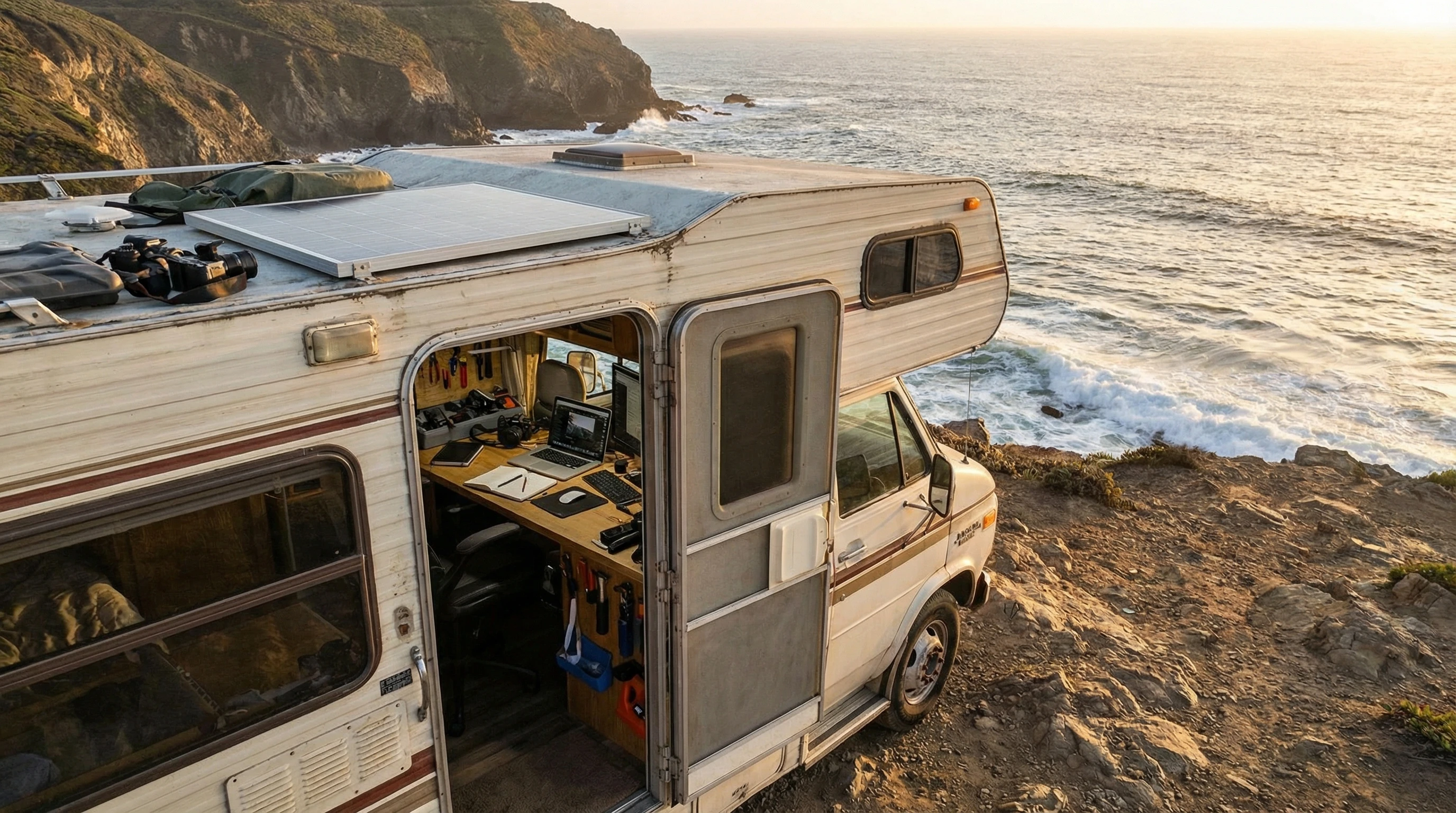
I’ve found that mixing up my work location, once under pine trees, another time with the ocean in view, keeps both energy and creativity up. Taking time to unplug in nature, explore local treasures, or meet fellow travelers gives you a fresh kick of motivation when you jump back into your projects.
The balance of productivity and exploration is a big part of what keeps digital nomad life exciting in the long run.
Tips for Making Travel and Work Both Feel Rewarding
- Pace your travel. Staying in one place for several days means you can focus on work when you need to, then fully enjoy downtime.
- Celebrate small wins. Snagged a great WiFi spot, finished a big report, or watched a sunset from somewhere new? It’s worth recognizing progress and joy along the route.
- Keep a journal or photo log. Documenting your travels helps you look back on incredible moments and share the adventure with friends or family who are rooting for you.
- Set boundaries. Making the distinction between “work mode” and “explore mode” helps you stay present and enjoy both sides of the lifestyle. It’s okay to turn off notifications and truly disconnect when it’s time to relax.
- Stay curious. Ask locals about must-see places or hidden gems in each area. Even a short detour can spark new creativity and stories for your ongoing adventure.
Frequently Asked Questions
Here are some common questions other RV digital nomads often ask:
How do I find reliable WiFi while traveling in an RV?
Answer: I rely on a mix of a MiFi mobile data plan and Starlink for flawless connectivity. These two sources allow me to work wherever I want. The cost is currently $225 per month, but that also takes care of my entertainment needs with unlimited data.
What’s the best way to avoid distractions while working from an RV?
Answer: I block out work hours, set up a dedicated workspace, and use headphones, especially when campgrounds get noisy.
How can I stay productive on travel days?
Answer: I use travel days for smaller or less urgent tasks, like calls or planning, and save deepfocus work for when I’m settled with good connectivity. I plan ahead and get ahead!
What tools help most with remote work on the road?
Answer: For me, it’s solid internet gear, a power bank, cloud storage, and a good chair. Staying organized means fewer headaches and more time for adventure.
Ready to Hit the Road?
With the right setup, routine, and tools, you can blend remote work and travel in a way that feels rewarding instead of stressful. The flexibility to change up your location, enjoy unexpected detours, and meet new people is part of what makes the digital nomad RV lifestyle so special.
If you plan ahead, stay open to tweaks along the way, and remember to soak in the view every now and then, remote work and adventure can go hand in hand.
____________________________________________
If you want more guides and personal tips about RV living, click here.
If you have any questions or want to share how you balance travel and work, drop a comment before you browse the rest of the articles here.
I hope your adventure as a digital nomad leads to both big adventures and some seriously productive days on the road!
Curious about internet options on the go? Check out this resource on RV connectivity for new tips.
Is there a passion or skill you want to turn into a remote business while you travel? I’d be glad to help you brainstorm ways to make it happen! Comment below!
ENJOY THE ADVENTURE AND ALL THE WORKLIFE FREEDOM IT BRINGS!
What If Your RV Could Help Pay for the Journey? Could you make money while traveling wherever you like?
Many full-time RVers quietly earn money online: writing, recommending products, and building simple digital assets that generate income while they travel.
You don’t need tech skills.
You don’t need experience.
You need the right roadmap.
👉 Discover the beginner-friendly approach! Take a look at this post on this website.






Recent Comments