
Top 10 Essential Gear for Successful RV Boondocking Adventures
RV boondocking is all about hitting the road and camping without hookups. It’s a unique adventure that brings you closer to nature and gives you a real sense of freedom.
I have found that the right gear can make life off the grid more comfortable, practical, and safe. You don’t need everything under the sun, but picking smart equipment is a game-changer out there.

Why Good Gear Makes RV Boondocking Better
Boondocking, or dry camping, means living in your RV without access to water, electricity, or sewer hookups. It can be really fun, but it’s nothing like staying at a full-service campground. The remoteness brings out the adventurous side, but also tests your self-sufficiency. Good gear helps smooth over the rough spots, so you’re not running out of power or water or waking up shivering in the night.
The market for RV gadgets keeps on growing. More folks are giving off-grid living a try for the freedom, and now gear makers are turning out better products every year. Solar panels, water filters, portable grills, and smart storage solutions have come a long way. If you’re getting started, going with reliable basics makes every trip easier and more enjoyable.
Getting Started: RV Boondocking Essentials
If you’re just getting into boondocking, sorting through what you need isn’t always simple. My first trip showed me quickly that a little prep goes a long way. The great outdoors doesn’t come with a help desk. These are the ten pieces of gear I think every boondocker should consider. These aren’t frills; they’re the kind of stuff that saves headaches, keeps you comfy, and can even help in an emergency.
- Solar power setup
- Portable generator
- Water filtration system
- Extra fresh water storage
- Composting or portable toilet
- Efficient propane cooking gear
- Outdoor camp shower
- Heavy-duty leveling blocks
- Reliable communication gadgets
- RV battery monitor
These categories cover pretty much everything you’ll need for power, water, comfort, and safety while you’re camped out far from the nearest town.
Power Options: Solar, Generators, and Batteries
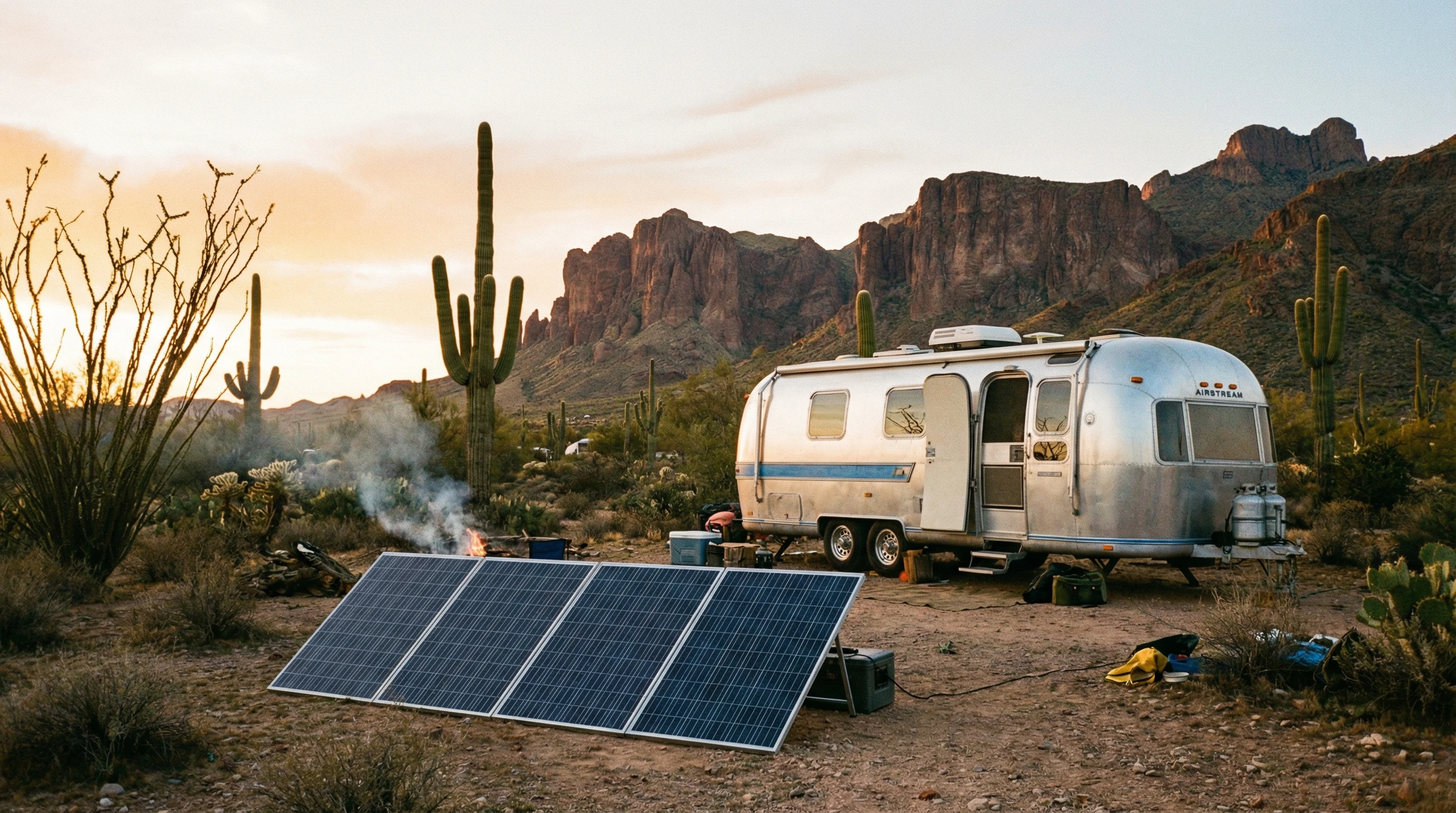
Power is probably the hottest topic in the RV boondocking world. That’s because you can’t just plug in for free juice when you’re out in BLM land, a Harvest Host location, or on a forest road. A solid solar power system is handy. Solar panels soak up sunlight all day and keep your RV batteries charged for the long haul. A lot of folks, myself included, go with a mix of solar and a portable generator for cloudy days or unexpected needs.
Modern lithium batteries are pricier at first, but they last longer and hold more charge than the old lead-acid types. Add a battery monitor, so you actually know your charge status and don’t come up short. Avoid guessing, since it’s really useful when you want to run a fan at night or keep your fridge humming smoothly.
Portable Generator
Solar is great, but sometimes the weather doesn’t cooperate, or you need a quick boost for heavy-duty gear. A small, quiet generator works for topping off batteries or running the microwave. Just make sure you use it away from other campers, out where fumes and noise won’t bother anyone. Brands like Honda and Champion are known for being quiet and reliable. Carry plenty of gas and store it safely.
Smart Water Solutions For Off-Grid Camping
Water is one of your most important resources when boondocking. It runs out faster than you think, and there’s not always a place to fill up nearby. I always bring extra water storage since collapsible jugs stow easily and add days of self-sufficiency. Make sure your water tanks are topped up before you leave paved roads. When doing so, be sure your RV cargo carrying capacity can handle a full tank of water, given that each gallon weighs 8.3 pounds.
A water filtration system like a Berkey, LifeStraw, or an inline filter helps turn pond, creek, or questionable tap water into something drinkable. This saves the bottled water for hiking trips or emergencies. Roadside fills can sometimes taste funky, so a basic filtering setup delivers peace of mind on long adventures.
We use our Clear Source water filtration system to bring purified water along when we boondock. When we are in campgrounds, that is how we supply safe drinking water.
Portable Shower and Toilet Options
Boondocking means limited or no access to bathrooms. If you don’t have shower facilities onboard, you will need to rely on a portable shower for rinsing off dust and sweat. Some RVers build outdoor shower setups with privacy tents.
As for toilets, composting units break down waste safely and don’t use water. A backup portable toilet with deodorizing packets is handy for kids or rainy nights. No shame in upgrading this part, because comfort outdoors really matters.
When we boondock in our current full-time home, a thirty-foot Airstream trailer, we use all the facilities that we do when in a campground. But we watch water usage very closely to be sure we have enough to last during our boondocking stay.

Staying Comfortable: Cooking, Heating, and Leveling
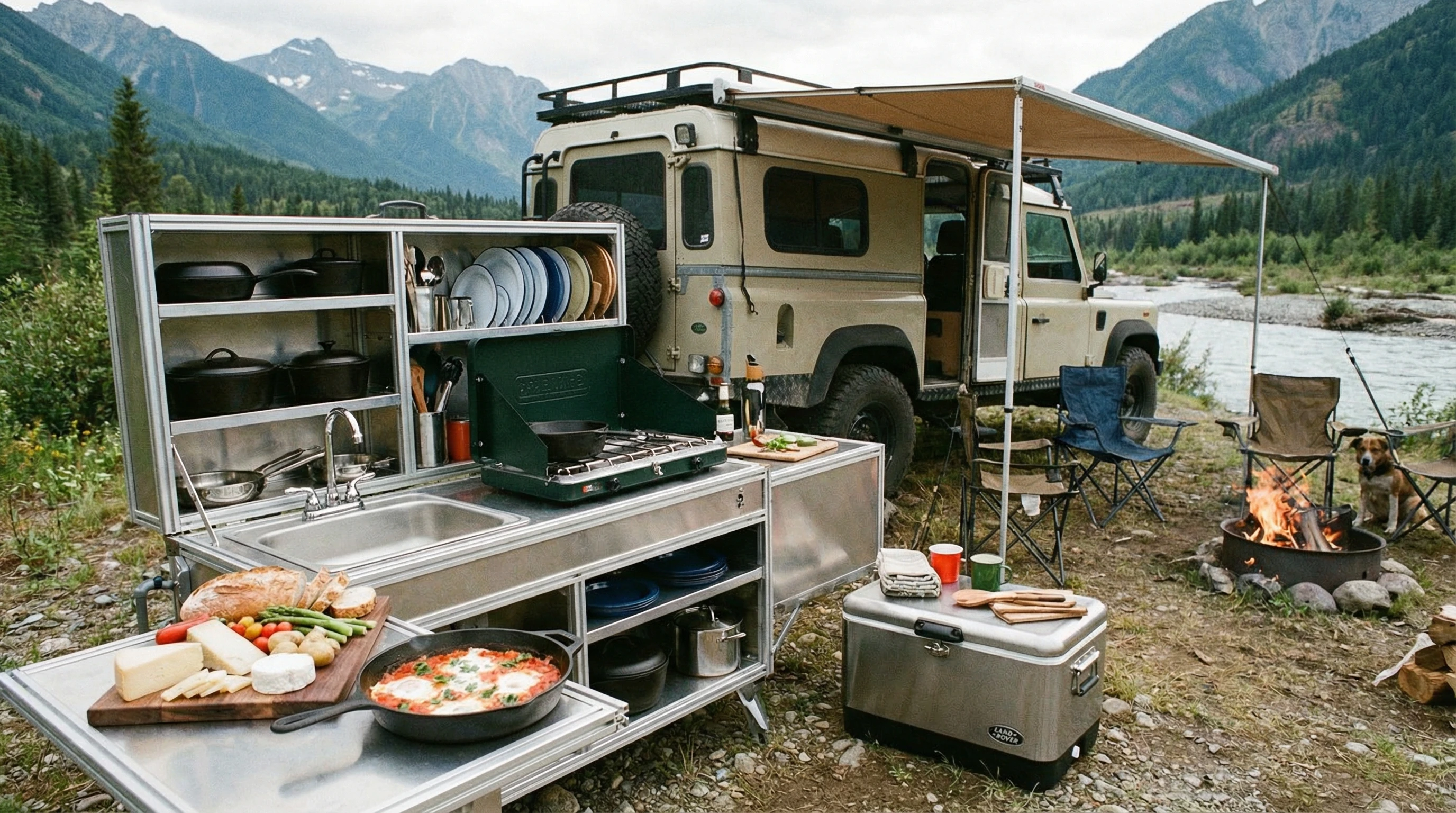
Keeping meals simple yet tasty on the road calls for a reliable propane grill or stove. Propane stays stable, packs plenty of energy, and stores easily. Some folks also use induction cooktops paired with their battery banks. In colder climates, a safe RV propane heater makes a world of difference, especially if you need to warm up before bed.
Staying level is crucial for cooking, sleeping, and keeping the fridge working right. Heavy-duty leveling blocks are worth packing even if you think your site will be flat. I’ve camped in areas that looked even, but left my coffee sliding off the counter in the morning. Quick setup and adjustment keep your RV happy.
Smart Storage and Food Systems
A well-stocked pantry with easy-to-cook staples saves trips to town. Dry goods, canned food, and a cooler filled with block ice make meal planning smoother. Modular bins and baskets keep things organized, so you’re not always digging for stuff with a flashlight.
Try to bring foods that don’t require much refrigeration and will keep longer. Mix in some variety to avoid meal boredom, think pasta, rice, nut butters, and a few comfort snacks.
Communication and Navigation
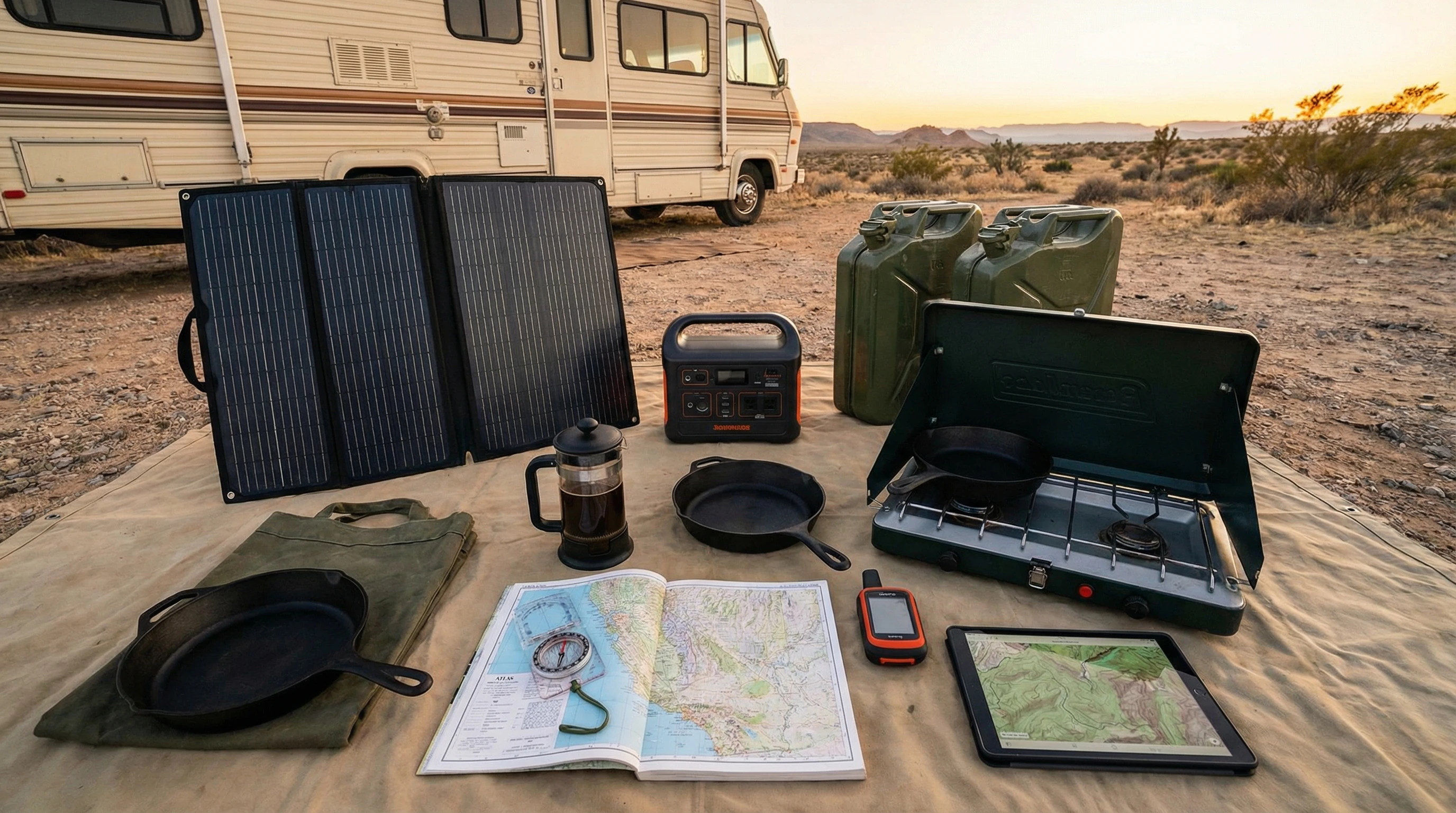
One lesson I learned early is that cell service is spotty off-grid. A two-way radio or satellite messenger is a backup if your phone loses signal in remote areas. Garmin InReach and ZOLEO messengers connect to satellites so you can text or check in with family even miles away from the nearest bar of service. Apps like iOverlander and Campendium help with finding sites, checking reviews, and tracking water fill spots.
Paper maps are still super useful if your electronics quit on you. Keep a printed atlas and a notepad in your glove box. Old school, but always ready when batteries die. Adding a compass or basic navigation tools is smart as well; GPS can be off in dense forests or canyons.
My RV Boondocking Must-Haves: A Quick List
Here’s my go-to checklist for boondocking trips. These ten things cover my basics:
- Solar panel kit – For charging when even miles from town
- Portable inverter generator – Good for cloudy days and emergencies – safe for electronics. This is the generator we use for our 50-amp rig. It will run one AC unit!
- Multiple collapsible water containers – Add days between fill-ups
- Water filter – Makes streams and random spigots safe
- Composting or cassette toilet – Comfort and peace of mind
- Dedicated propane grill or stove – Tasty hot meals outdoors
- Outdoor shower setup – Feels amazing after dusty hikes
- Heavy-duty leveling blocks – Save your appliances and your back
- Satellite communication device – Emergency SOS and texts if no Starlink
- Battery monitor – See what you’re actually using in real time
If you’re looking for a place to start, picking up even a few of these items will set you up for a better time out there. Each trip teaches new tricks, and you’ll figure out what works for you. Bringing along backup batteries, headlamps, and some extra fuses or duct tape is always wise. Being prepared helps you relax and enjoy more.
Frequently Asked Questions
Folks often have some key questions before heading off the grid. Here are quick answers to the things I get asked most.
How much water should I bring boondocking?
For two adults, 7–10 gallons of drinking water for a weekend covers coffee, meals, and basic hygiene. More is better if you have the storage. Bring separate water for rinsing or washing dishes, and use it sparingly. Don’t forget any pets; they need clean water too!
What size solar panel setup do I need?
If you mostly run lights, chargers, and fans, 200–300 watts of solar is a great starting point. Add more for electric coolers or heavy use. Track your usage, then consider adding panels or upgrading batteries as you go. Remember that sun exposure and your battery type both matter.
Do I need a generator if I already have solar?
It helps in cloudy climates or rainy days, for quick battery charging, or if you use power-hungry gear. It’s not required, but having a backup can save your trip in a pinch. Some like to bring a generator for peace of mind, especially when it’s cold, and you need extra heat at night.
What’s the easiest way to find safe boondocking spots?
Apps like Campendium, FreeRoam, and iOverlander have user-reviewed camp areas. National Forest land and BLM spots tend to allow dispersed camping, but always double-check local rules. Talk to other campers, and don’t hesitate to check in at ranger stations for fresh info on road access or fire risks.
Can I boondock year-round?
You sure can, but colder months call for insulated water lines, extra propane, and more planning for heat. Summer brings heat and sun, so shade awnings and good ventilation become more important. In all seasons, keep a close eye on your supplies and safety plans.
Better Boondocking Starts with the Right Gear
Gearing up for RV boondocking is all about thinking ahead. Take time to invest in power solutions like solar and a generator, stock up on water, and make sure your cooking and comfort needs are handled.
Communication gear keeps you safe when help is far away, and good leveling blocks help keep your RV in great shape. No two adventures are the same, but being prepared means you can really relax and enjoy each trip off the grid.

Feel free to share your own gear tips and boondocking stories in the comments, or hit me up with any questions if you’re getting ready for your first off-grid trip. There’s always something new to learn out there, but with the right basics, you’ll be set for plenty of epic camp nights under the stars.
_________________________________________________________
What If Your RV Could Help Pay for the Journey?
Many full-time RVers quietly earn money online: writing, recommending products, and building simple digital assets that generate income while they travel.
You don’t need tech skills.
You don’t need experience.
You just need the right roadmap.
👉 Discover the beginner-friendly approach! Take a look at this post on this website.



Recent Comments