
RV Water Collection and Purification Techniques in Remote Locations
RV living out in the wild really pushes you to find clever ways to stay comfortable and safe. When it comes to collecting and purifying water, it’s always a bit more challenging if you’re parked somewhere with no hookups or clear streams.
I’ve had my fair share of finding water in places I never thought I’d look, and over time, I’ve come to appreciate just how many options there are for getting safe water in remote locations. Here, I’ll cover the essentials you need to know for collecting and purifying water while boondocking far from the city.
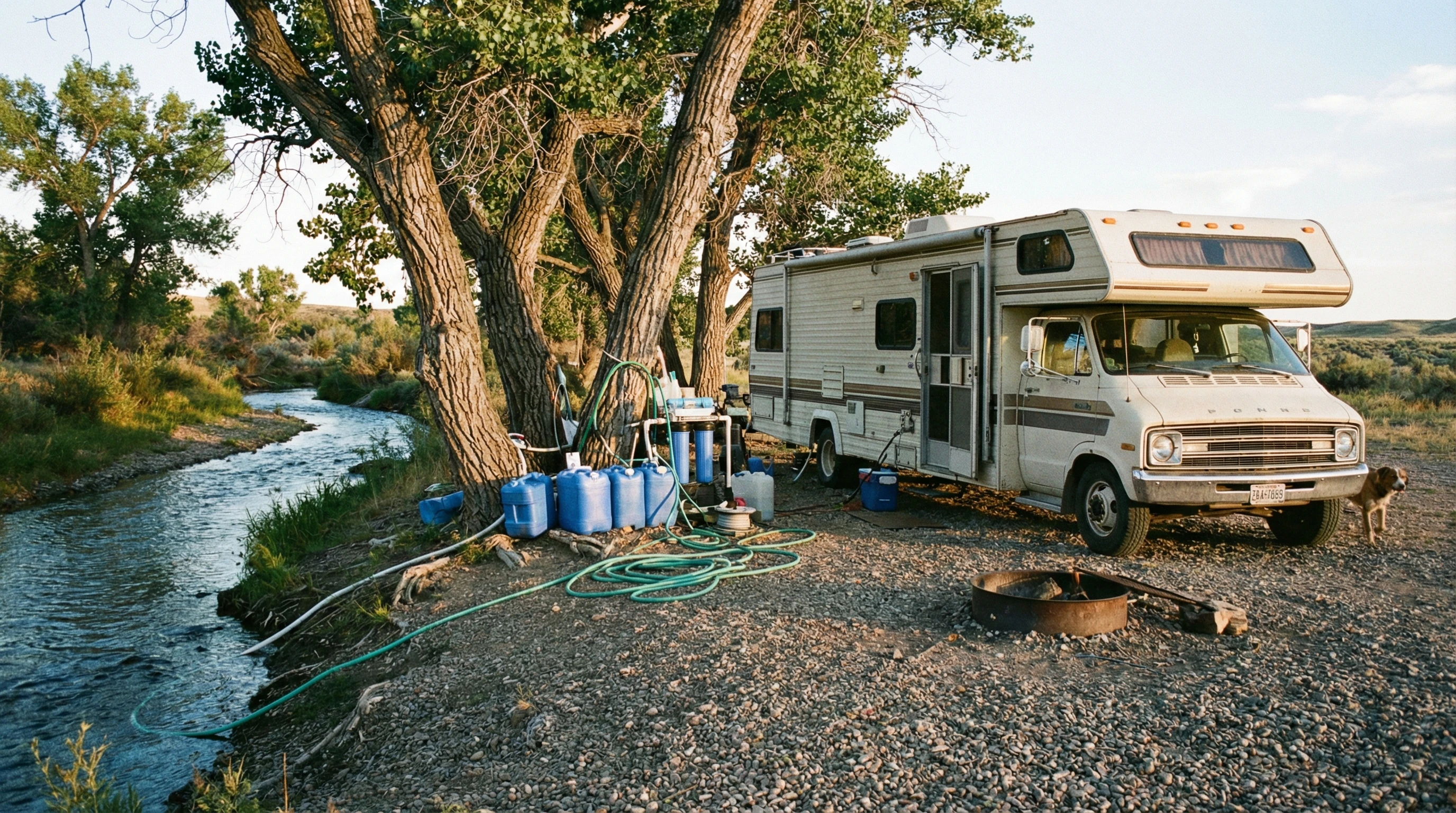
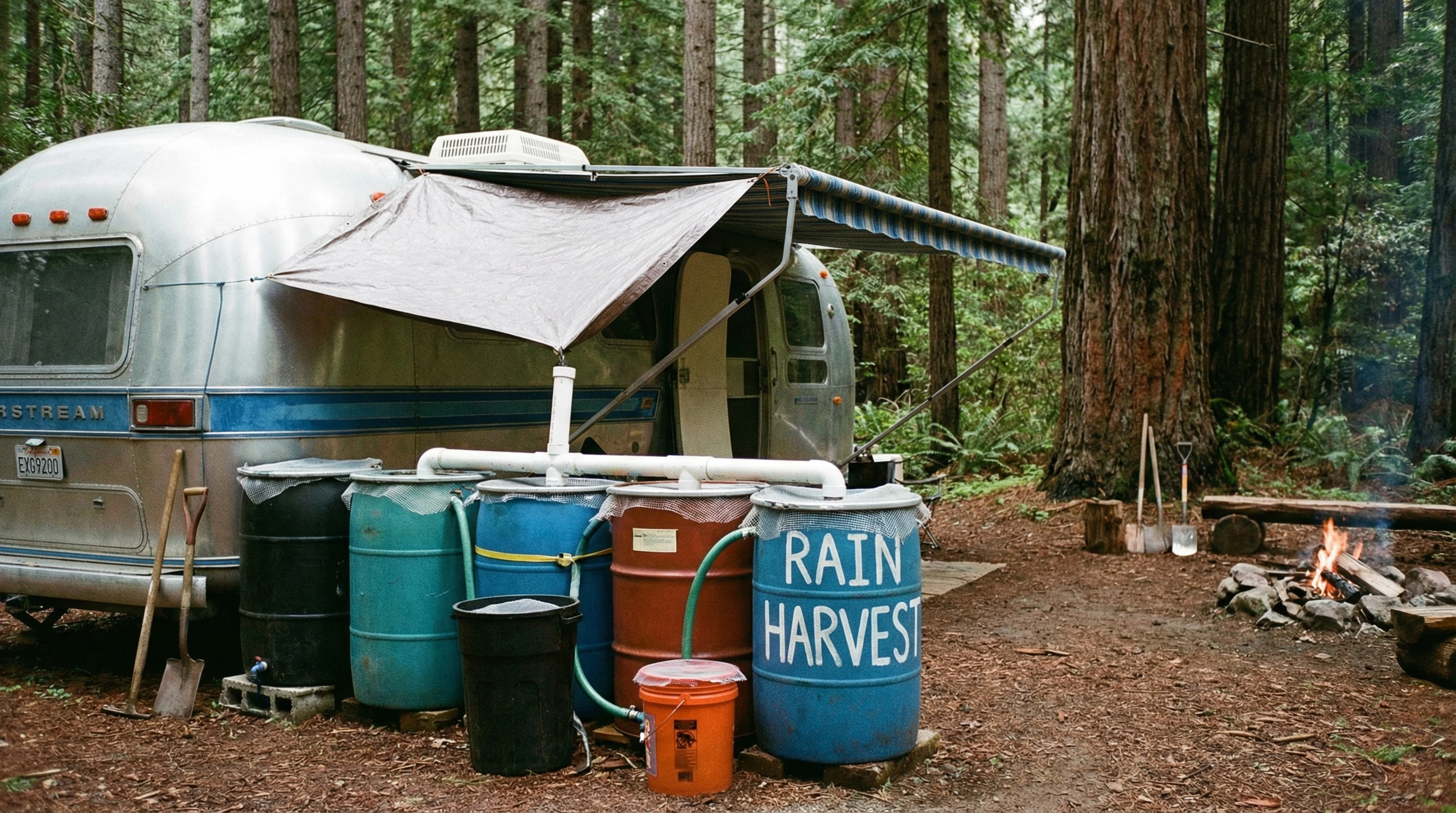
Here is a boondocker that takes water purification seriously!
Key Equipment for Water Collection in Remote RV Locations
Collecting water away from developed campsites calls for a bit of planning. Your gear makes all the difference. Most RVs come equipped with a freshwater tank, but getting water into that tank when you’re off the grid takes a few extra tools.
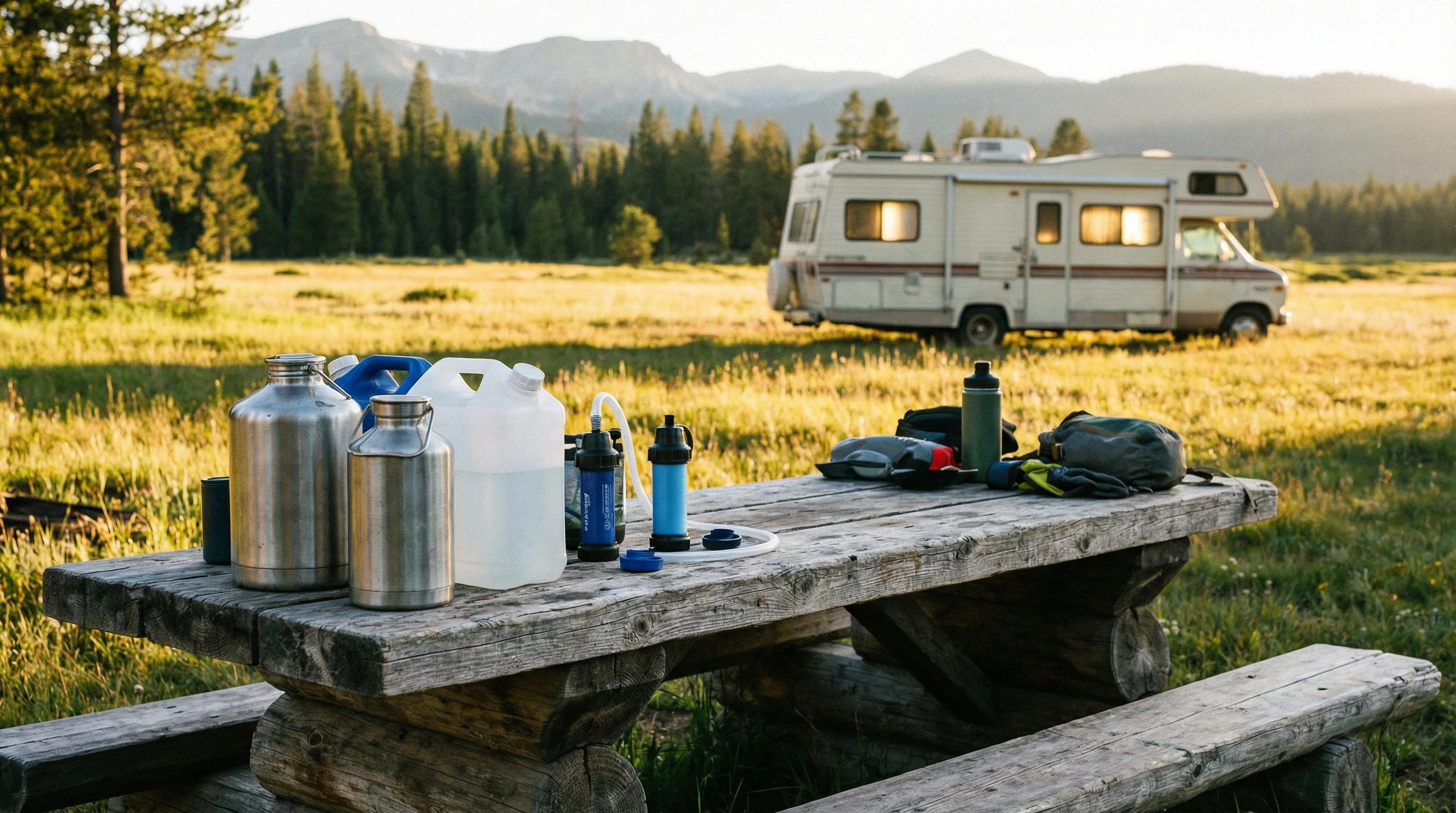
I always travel with a set of sturdy, clean water jugs or collapsible containers. A few five-gallon jugs can be filled from safe sources (even if you need to fill up at a friend’s place) and help stretch your supply between locations. If you come across clean streams or rivers, a collapsible bucket can be useful for hauling water back to your RV. Some campers carry compact hand pumps or battery-powered transfer pumps that let you move water from your container or creek to your RV tank without making a mess.
Basic hoses and water filters belong in your toolkit, too. Drinking from natural sources without filtration isn’t a good idea. A food-grade hose for filling your tank and a separate one for cleaning jobs will help keep things sanitary. Plus, a funnel is pretty handy for pouring water into your tank if you don’t have a pump.
Common Water Sources in Remote Areas
When you’re parked in the middle of nowhere, water sources can include natural bodies of water, public fill stations, and even rainfall. Each one has its pros and cons.
- Lakes, streams, and rivers: Surface water looks tempting but almost always needs serious filtration and purification. Even if it looks clear, there could be harmful bacteria or other stuff you really don’t want in your RV tank.
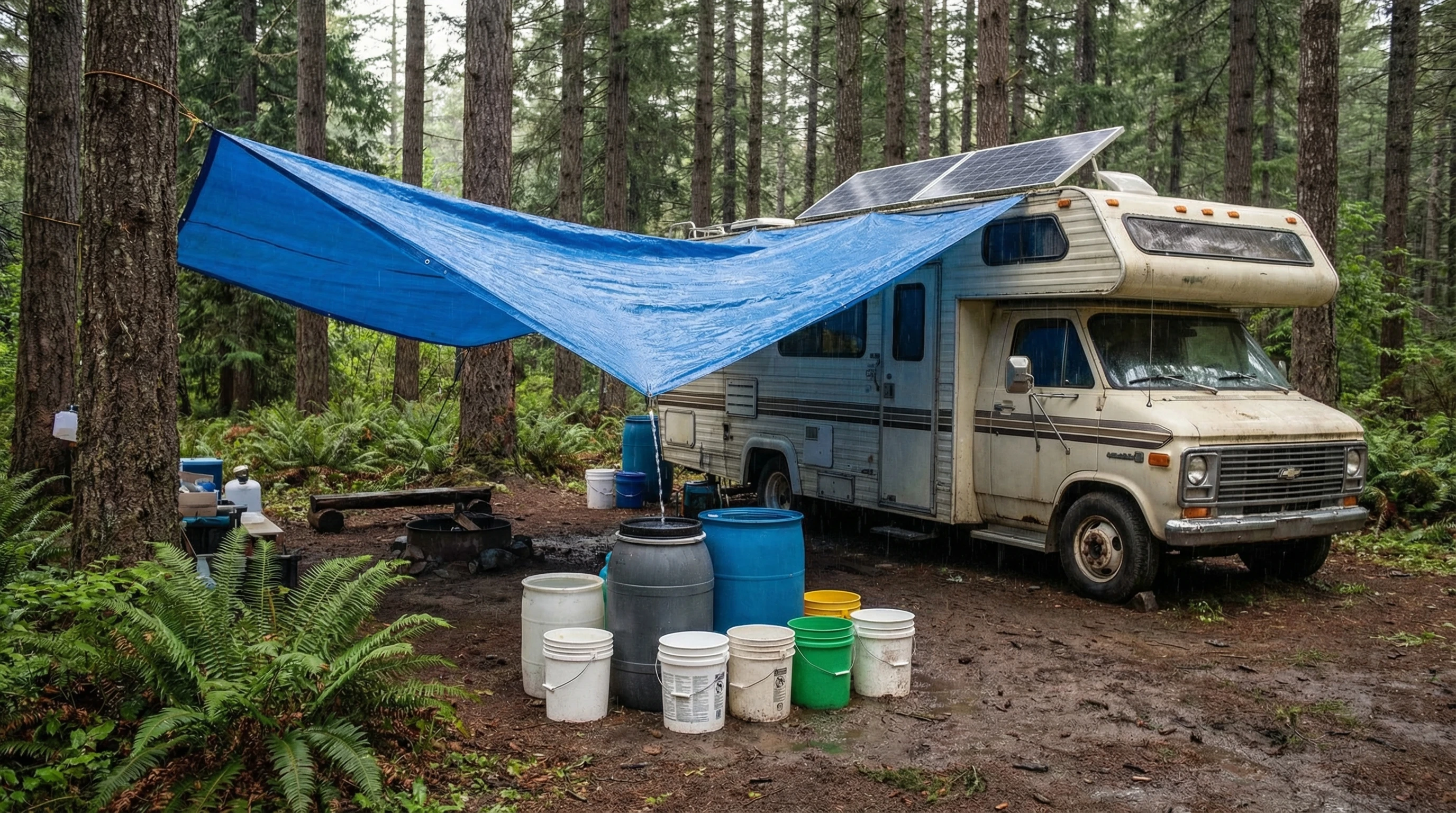
- Rainwater: Many RVers use awnings or tarps to catch rain. It actually adds up on rainy days. A rainwater catchment system doesn’t take much to set up; just a clean tarp, some guttering or flexible tubing, and your water containers waiting below. After collection, all rainwater still needs to be filtered and purified before drinking.
- Campground or community taps: Even off-grid, small towns or public parks sometimes offer RV and truck water fill stations. These sources are safer than natural ones, but double-check for signage about whether the water is potable or not.
Quick Steps for Safe Water Collection
Staying healthy on the road means collecting water safely and preventing contamination right from the start. Here’s how I like to handle water collection in tough spots:
- Scout out the source: Look for places where the water flows (not stagnant pools). Fast-moving water is usually safer than still ponds.
- Prefilter large debris: Use a piece of cloth or a prefilter bag to knock out bugs, leaves, and grit before the water goes into your container.
- Keep all gear clean: Only use hoses, buckets, or jugs that are sanitized and dedicated to water use. Avoid containers that have stored anything toxic in the past.
- Mark containers: I use a marker or colored tape to separate drinking water from utility water (the stuff you use for washing or flushing toilets).
Following these simple steps helps reduce the risk of getting sick and makes your whole trip more enjoyable.
Common Challenges With Water Collection
Collecting water in remote places sounds simple, but there are a few hurdles I run into again and again. Here are the ones that come up most often:
- Distance from source: Sometimes, streams or lakes are not right next to your parking spot. Carrying heavy water containers can be a workout, especially if the ground is rough or muddy.
- Water quality: Wild water sources carry risks like bacteria, viruses, heavy metals, or agricultural runoff.
- Equipment failures: Hoses can split, pumps can jam, and lids can disappear at the worst times. Bringing a basic repair kit and some extra parts saves a lot of headaches.
- Legal limitations or drought: Some places don’t allow campers to take water from natural sources, or there may not be enough water to share. Look for posted notices and respect local rules.
My Quick Fixes for Common Problems
When the water source is far, I throw a folding wagon in my RV for hauling containers. If the campsite has no water nearby, I plan extra carefully, loading up gallons in advance. For peace of mind, a backup water filter fits easily in a small drawer alongside replacement carbon filters and O-rings.
I also map out every possible water fill station along my route using apps like iOverlander or Campendium. One extra tip: always check if there are recent reviews on these apps, as conditions can change.
How to Filter and Purify Water in the Wild
Getting water is one thing, but making it safe to drink is even more important. All natural surface water needs cleaning before it goes anywhere near your glass, bottle, or tank.
Filtration Methods
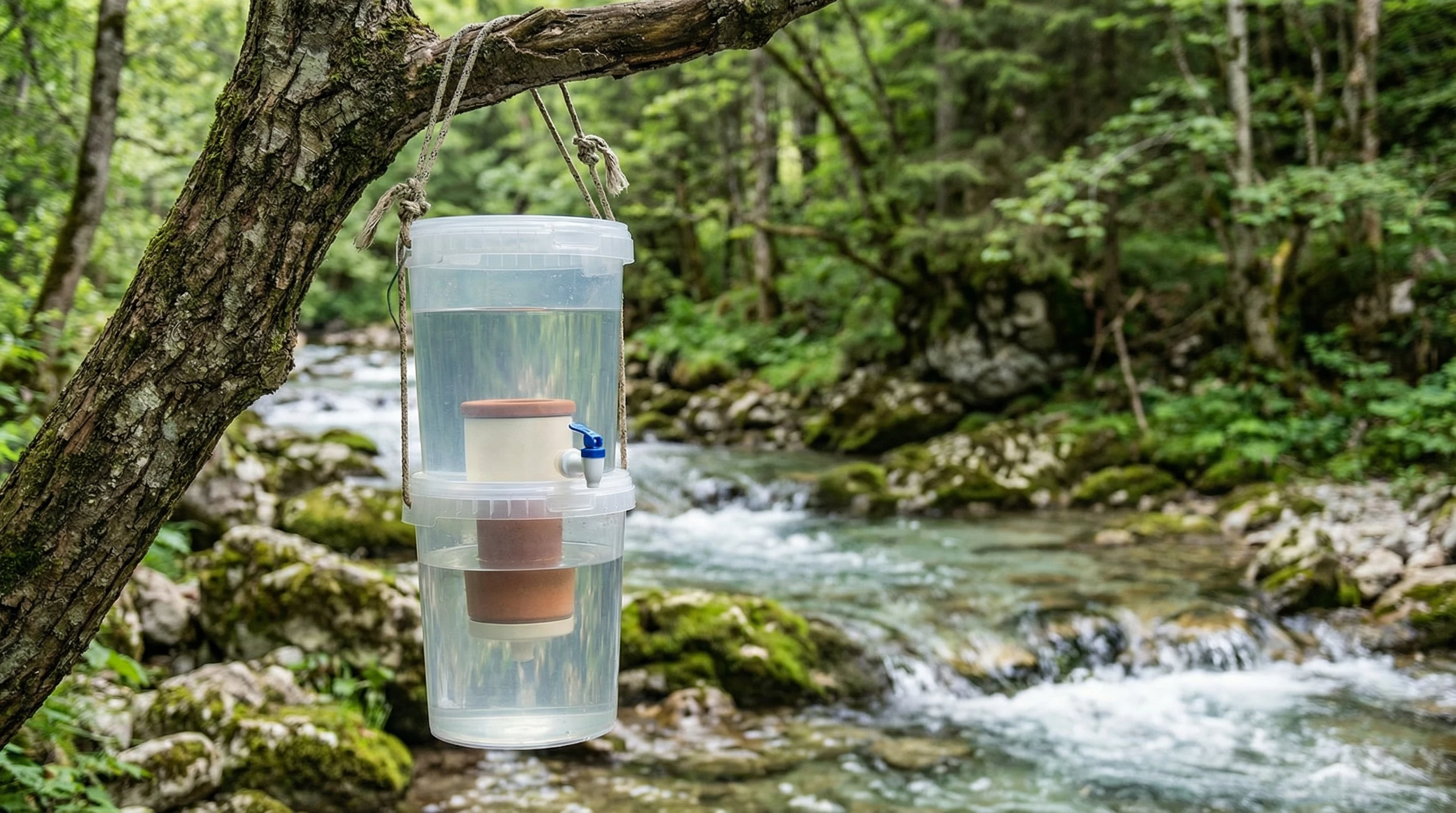
- Portable water filters: (my choice) There are all sorts of options, from pump filters to gravity bags (think Sawyer, Katadyn, or Platypus brands). I like gravity filters for their simplicity; you just fill, hang, and let gravity pull the water through the system while you do other things.
- Ceramic and carbon filters: Most filters combine ceramic to catch dirt and microbes, and activated carbon to reduce odors or odd tastes. These filters are reusable if cleaned regularly, and a replacement is easy to pack.
- Inline RV water filters: You can hook up a filter directly between your hose and water fill inlet. Some RVers use these whenever they fill up, no matter the source.
PURIFICATION OPTIONS
- Boiling: Boiling is probably the oldest trick in the book. Five minutes of rolling boil kills viruses and bacteria. I sometimes preboil water on a camp stove before pouring it through a filter, just for extra peace of mind.
- Chemical Treatments: Chlorine or iodine tablets are super handy to keep around as a backup. They work in about 30 minutes, though some people don’t like the taste they leave behind.
- UV Purifiers: Small UV pens treat water in a minute or two. You just swirl them in your water bottle, and the UV light zaps out invisible nasties.
Whatever method you choose, always double-check the instructions and keep up with filter cleaning and maintenance. That’s the best way to avoid breakdowns far from town.
Advanced Tips for Efficient Water Use
Boondocking life isn’t just about finding water; it’s about using every drop efficiently so you’re not stressing about your next refill. I always watch my tank level and try some of these strategies to make the most of my supply:
- Low-flow faucets and showerheads: Swapping in lowflow hardware can save gallons every day. I hardly notice a difference in comfort, but my water stretches way further.
- Reuse greywater for some chores: Water from the sink gets reused for pre-rinsing dishes or even cleaning the RV steps. Just don’t use greywater for cooking or drinking.
- Quick showers and sponge baths: I keep showers short, or sometimes just use a wet cloth to clean up in between days when water is tight.
- Catch rainwater for non-drinking use: Rainfall gets funneled into a big bucket for flushing the toilet or washing gear. Saves my precious filtered stuff for cooking and drinking.
Frequently Asked Questions
Here are some common questions RVers ask about collecting and purifying water in remote locations:
Question: Can I drink water straight from a stream or lake while RVing?
Answer: I would not recommend this! It’s better to always filter and purify water from natural surfaces, even if it looks super clear. There may be bacteria or chemicals invisible to the eye.
Question: How do I know if my filter is working or needs replacement?
Answer: Most portable water filters have a recommended lifespan (like gallons filtered or number of uses). If the flow rate drops or the filter looks clogged, it’s time to clean or replace it. Stick to the manufacturer’s instructions for peace of mind.
Question: What is the easiest water purification method for RVers?
Answer: Many people use inline carbon block filters when filling their RV tanks, plus a backup gravity or pump filter for emergencies. Boiling always works, too, if you have a heat source.
Question: Is it safe to use rainwater as drinking water?
Answer: Rainwater should still be filtered and purified before drinking. It can pick up dust or bits from your RV’s roof or tarp.
Question: Where can I find RV-friendly, water fill stations?
Answer: Many RVers use apps like RV Parky, iOverlander, Campendium, or SaniDumps to find fill locations. Some gas stations and truck stops also let you fill tanks; just ask first.
Useful Resources and RealWorld Experiences
RV water collection and purification feel tricky at first, but you get better with practice and a little bit of research. For step-by-step guides, I sometimes check reliable sources like the EPA’s guide to emergency water purification (see here) or compare portable filter reviews at sites like GearLab. Research from full-time RVers can help you avoid missteps and pick up some creative solutions.
If you want to dig deeper into real-world RV experiences, forums like iRV2 and Facebook groups about full-time RVing are full of people sharing tips and favorite gear. Community input is invaluable for up-to-date tips and troubleshooting advice.
I’m always happy to answer questions or chat more about the remote RV life, so feel free to reach out or leave a comment with your water solutions or questions. Here’s to staying healthy and hydrated wherever your wheels take you!
________________________________________________
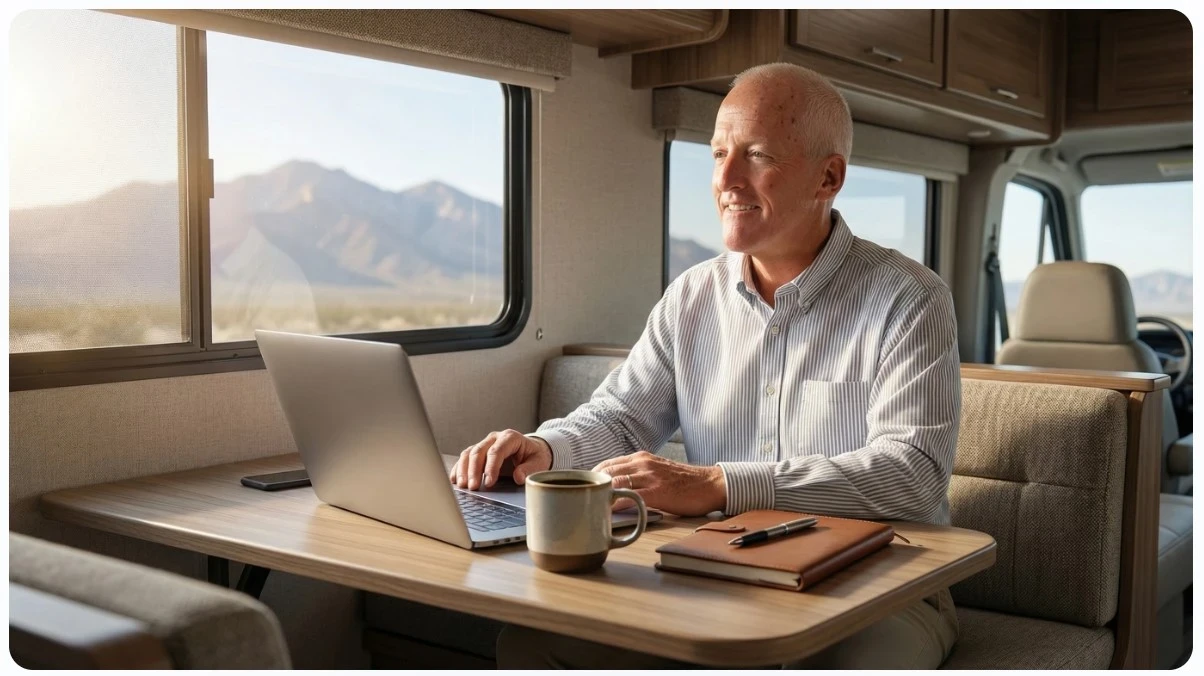
If you want to start a flexible business you can run from your RV while enjoying remote locations, check out this resource. We have been enjoying full-time RV living since 2008!
Traveling and working have never been more doable, even if your water collection setup is a little wild sometimes.
What If Your RV Could Help Pay for the Journey? Could you make money while boondocking?
Many full-time RVers quietly earn money online: writing, recommending products, and building simple digital assets that generate income while they travel.
You don’t need tech skills.
You don’t need experience.
You just need the right roadmap.
👉 Discover the beginner-friendly approach! Take a look at this post on this website.




Recent Comments