
RV Solar Power Solutions for Off-Grid Living: What You Need to Know
RV solar power has changed what off-grid living in an RV can be. Having your own electricity source is pretty handy when you’re parked out in the woods, on a beach, or boondocking somewhere remote. With the right solar setup, you can keep your batteries charged, run basic appliances, and stay comfortable without having to rely on noisy generators or campground hookups.
Here’s a guide that covers what’s needed, how to get started, what to consider, and some helpful tips for making your solar system work for you.
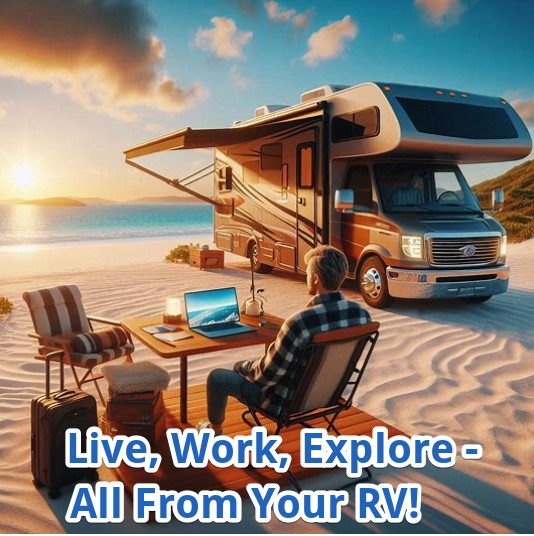
Here’s a serious RV Solar Power user! LOL
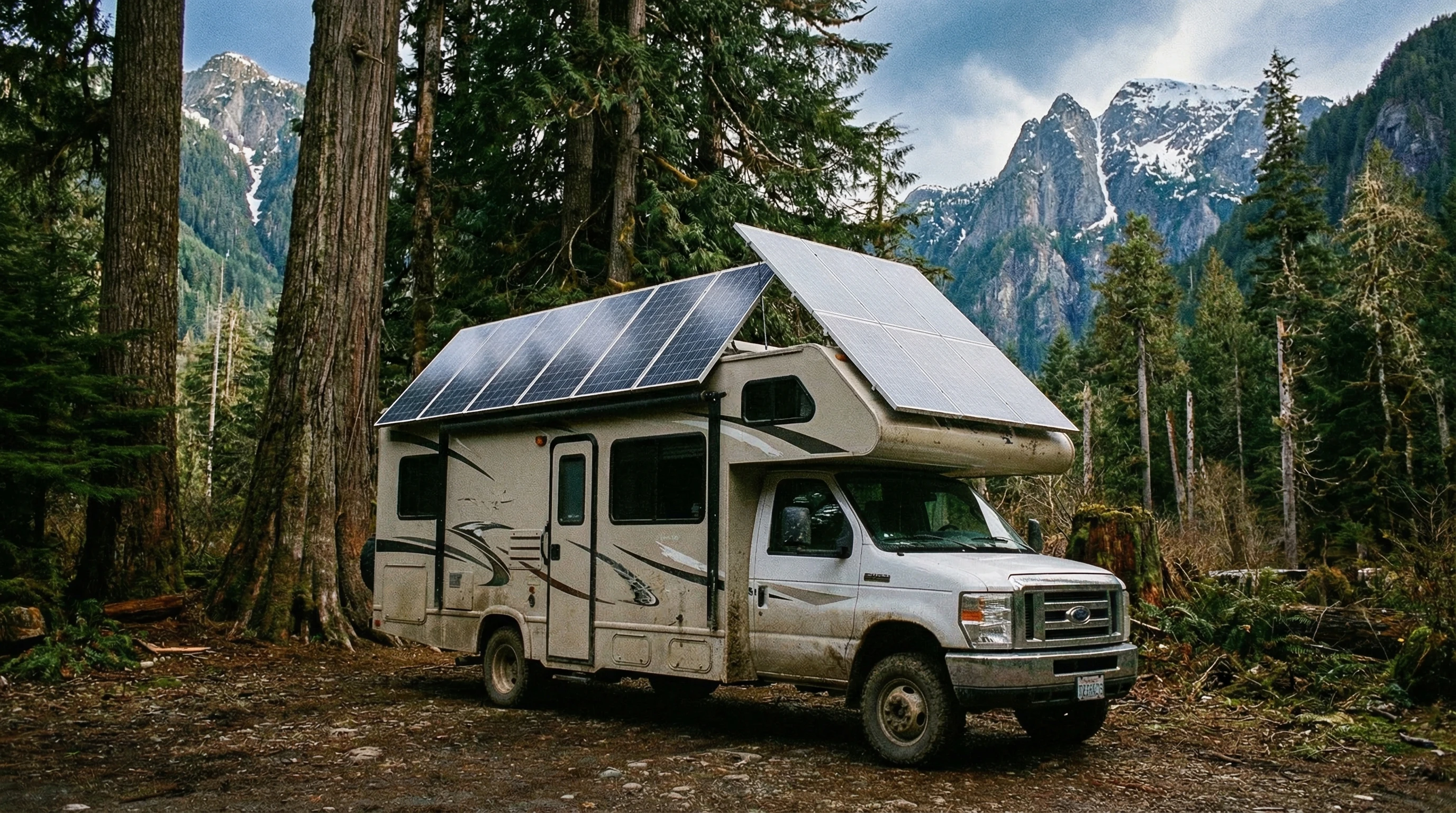
Why RV Solar Power Makes Sense for Off-Grid Living
Solar power has become super popular with RV owners. The main reason is simple: freedom. With solar panels on your roof, you can stop worrying about finding the next powered campground. Your energy comes straight from the sun, so you can chase good weather and those dream camping spots.
Solar setups are also quieter than generators; there’s no engine running, and you don’t need to pack extra fuel. Over time, solar panels are cost-effective. The upfront expense can feel steep, but when you camp off-grid more often, you save a bunch on hookups and generator fuel costs.
Even if you don’t go fully solar, having a small system to top up your batteries can keep your lights and fridge working if you’re boondocking for a few days. For anyone who travels or lives in an RV full-time, solar just makes off-grid life less stressful and a lot more practical.
Plus, not having to plug in means you can explore off-the-beaten-path places without limitations. You’ll get to stumble upon new views without worrying about battery life running out while you enjoy nature’s silence rather than generator noise.
Core Components of an RV Solar Power System
You don’t need to become an electrician to run solar power in your RV, but it definitely helps to know what each part does. Here’s a quick breakdown of what makes up a solar setup for RVs:
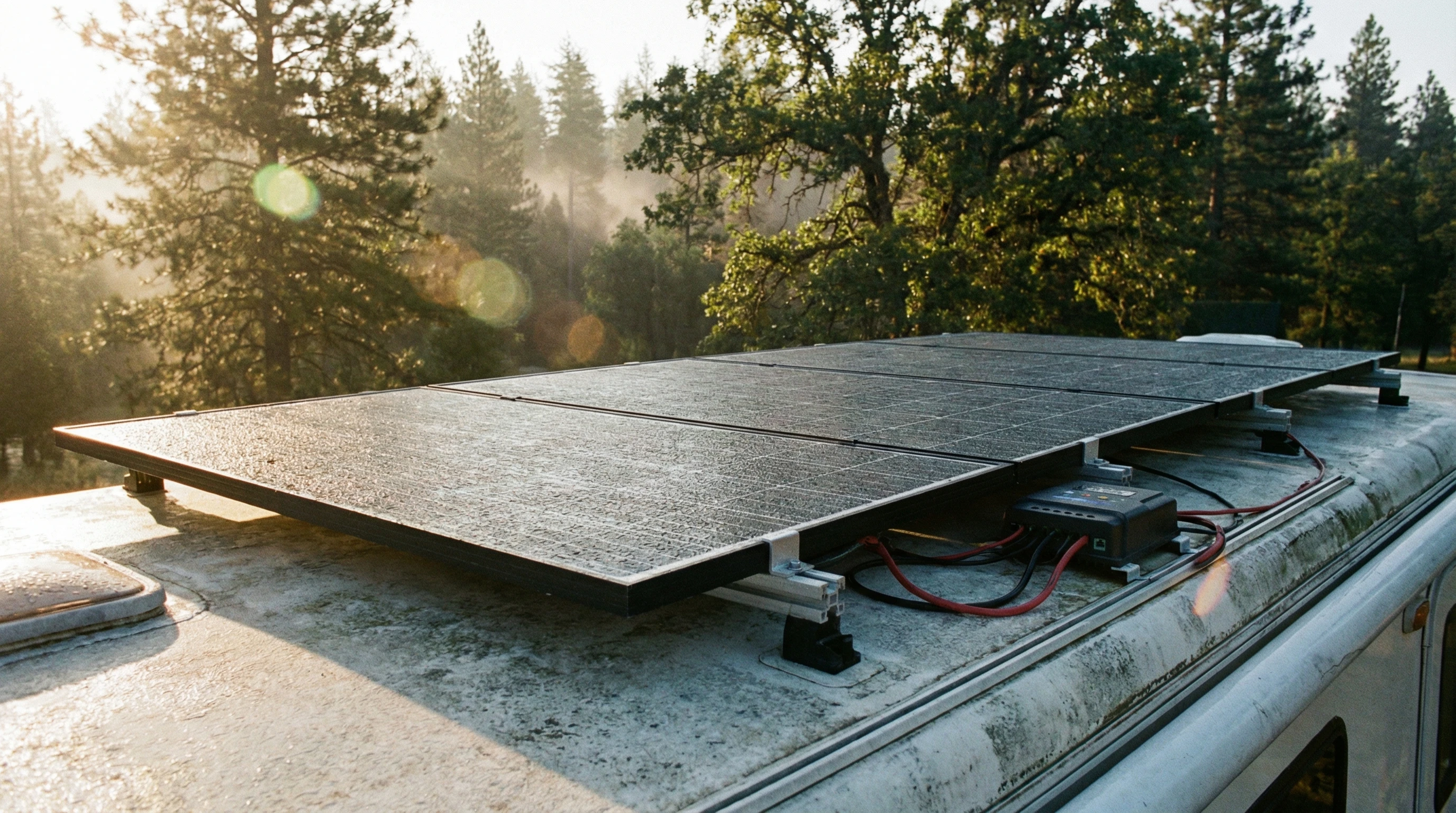
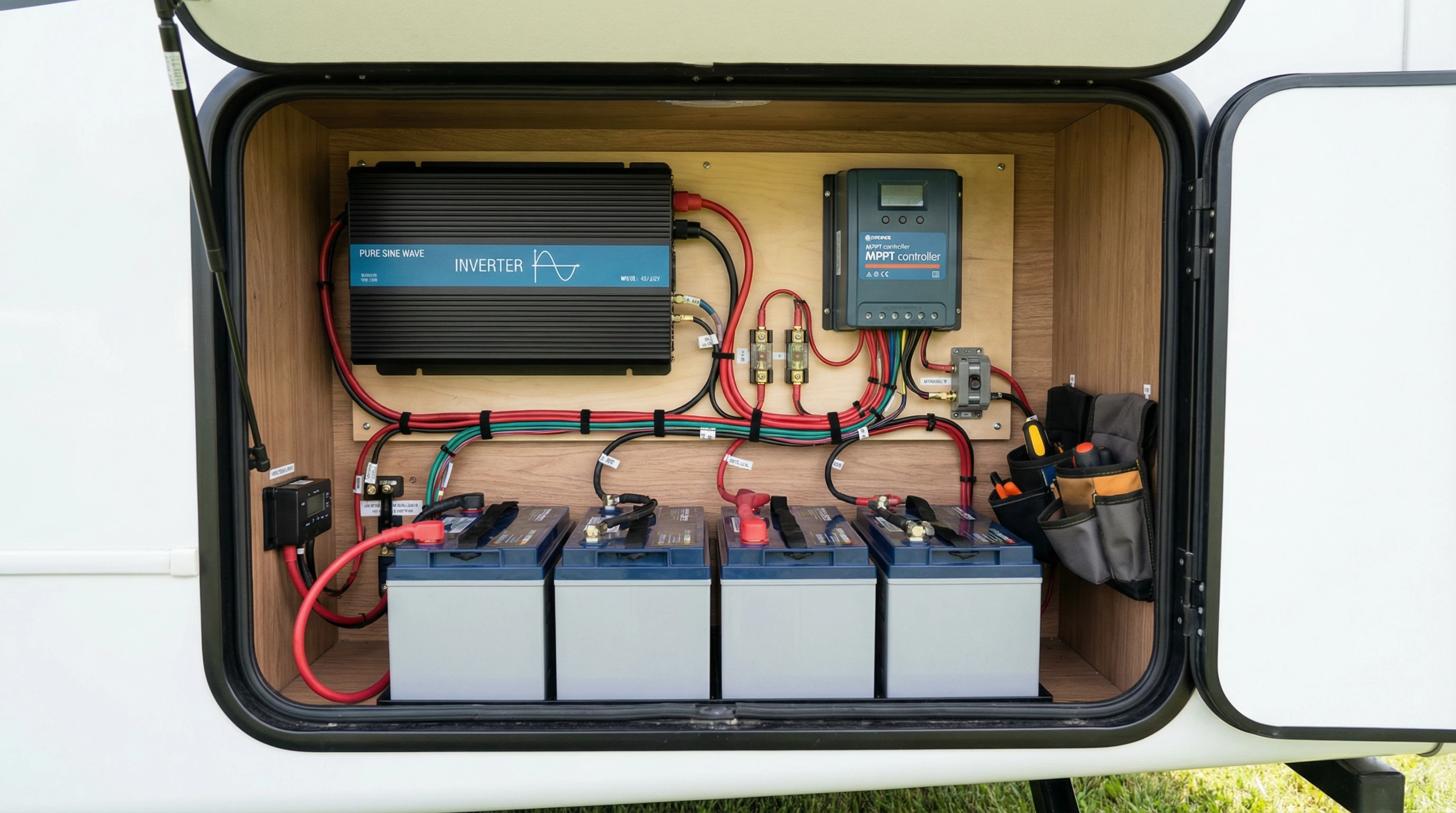
- Solar Panels: These collect sunlight and turn it into electricity. Most RVers use flat panels mounted on the roof. You can also get portable panels to set up on the ground if you want more flexibility.
- Charge Controller: This is the middleman that controls how much current goes from your panels into the batteries. It stops overcharging and helps the batteries last longer.
- Batteries: Solar panels charge the batteries, and the batteries power everything in your RV, like lights and appliances. Deep-cycle batteries, like AGM or lithium-ion, work great because they hold up to being charged and discharged over and over.
- Inverter: This turns the direct current (DC) from your solar system into alternating current (AC), which is what big gadgets (like blenders, microwaves, and laptops) need to work. Some small items run on DC straight from the batteries.
If you’re starting, a simple setup with one or two panels, a small charge controller, and a couple of batteries can handle basics like lights, a fridge, and charging devices. Bigger systems can support air conditioners or induction cooktops, but need larger batteries and more panels.
Figure out what you’ll use on a typical day, and size your system from there. Writing out a daily routine and tallying up devices helps you pick the right gear so you avoid overspending or running short on power.
How to Plan Your RV Solar Installation
Planning your RV solar system is easier once you know what you’ll be powering. A simple checklist can help you avoid overspending and make sure you get what you need:
- List Everything You’ll Power: Include lights, water pump, fridge, phone chargers, TV, fans, and anything else you use daily.
- Find Out Each Item’s Power Draw: Most devices will have a label in watts. If not, look up the model number online.
- Estimate Daily Use: Multiply the power draw by the hours you use each device per day. Add everything together for a rough total.
- Sizing the System: Choose panels and batteries so that, on most sunny days, you have enough capacity to top up your batteries from empty to full. It’s better to overshoot a little to cover cloudy weather.
- Roof Space: Measure your RV roof to see how many panels fit. If you don’t have much space, consider high-efficiency panels or supplementing with portable panels.
Plenty of online calculators will do the math, or you can ask a solar installer to double-check. If you like to tinker, DIY installs are totally doable. If not, mobile techs or RV shops can handle the wiring safely. Don’t forget to account for future upgrades or extra gadgets you may want down the line! Extra wiring and a bigger charge controller can make adding another panel super easy later.
Be careful! Don’t put so many panels on the RV roof that maintenance can’t be done. Remember, replacing an AC unit takes plenty of roof space.
Types of RV Solar Panels and Batteries
Choosing solar panels and batteries is basically picking between cost, performance, and weight. Here’s a quick breakdown to make it easier. Your choice may even be influenced by whether you travel often, stay in one place, or have a smaller rig or family-sized RV.
Solar Panels: Rigid vs. Flexible vs. Portable
- Rigid Panels: These are the standard glass panels. They’re tough, usually more durable, and often cheaper per watt. They work well for permanent roof installation and stand up to hail or heavy weather. A favorite for full-time travelers who want a set-it-and-forget-it solution.
- Flexible Panels: Super lightweight and thin, these are easy to mount on curved surfaces. They’re pricier, and they don’t last quite as long, but they save weight. Perfect for teardrop trailers or smaller campers with limited roof strength.
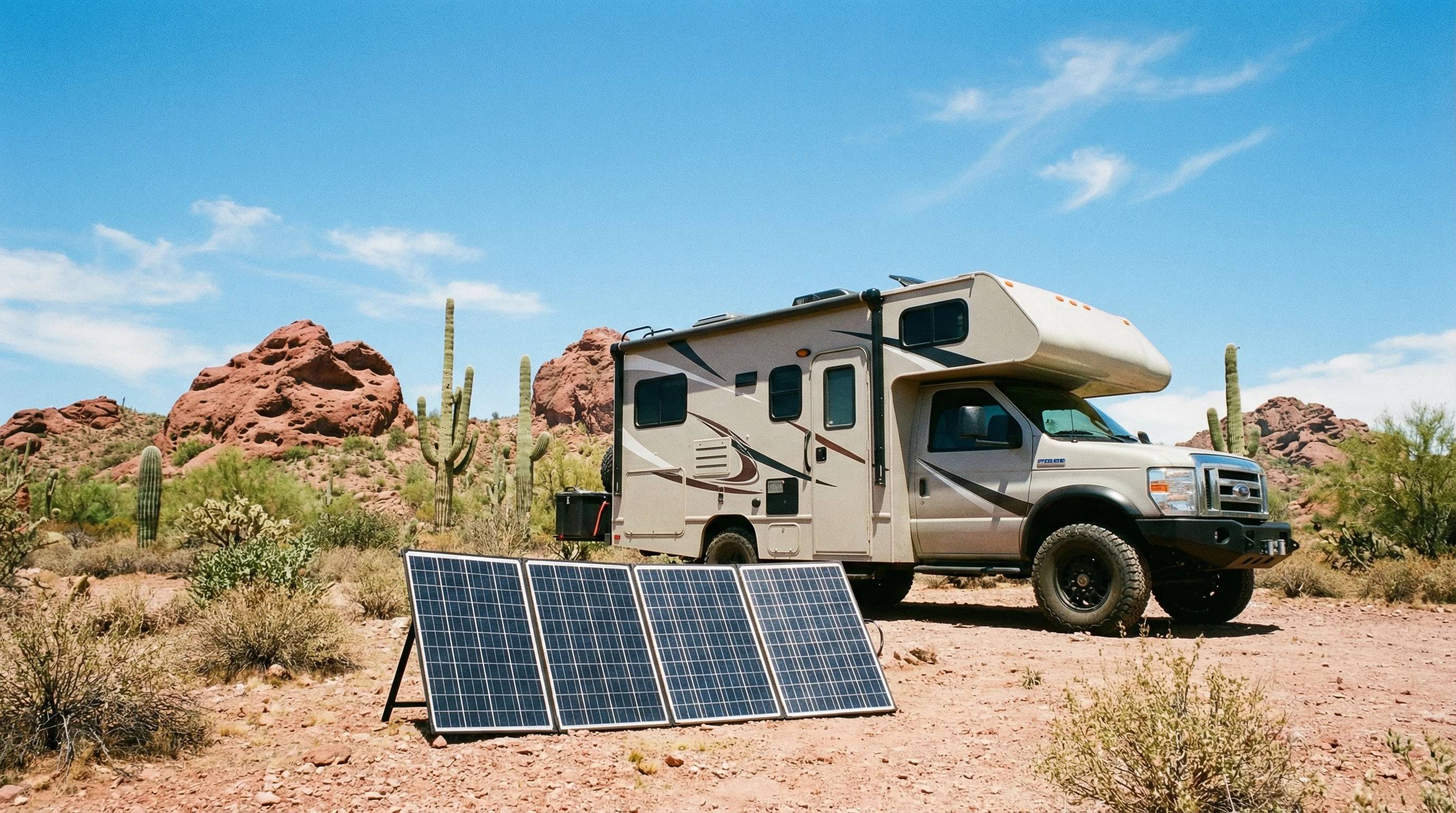
- Portable Panels: Great for folks who don’t want roof clutter, or for topping up batteries when parked in the shade. You can move them around to catch the sun, which is helpful if optimal parking spots aren’t always available. They also make storage easier when not in use.
Battery Options
- LeadAcid/AGM: Less expensive and pretty reliable, but heavier and offer less usable energy before they need charging back up. Good if you’re watching your budget and don’t mind checking fluid levels in the batteries now and then.
- Lithium-Ion: More expensive up front, but lighter, compact, and offers way more usable energy. They also last longer without maintenance. For full-time RVers or those using solar as their main power source, lithium really shines and makes your whole setup more powerful.
If you like to boondock for many days or run high-energy items, lithium batteries are worth checking out. For weekenders or folks on a tight budget, lead-acid batteries still work just fine for typical RV needs. Remember, it’s not one-size-fits-all.
Some RVers even mix different panel types or use multiple batteries to match unique camping styles. It’s all about customizing your setup for your adventures.
Common Challenges and How to Solve Them
Switching to solar power off-grid does have some quirks. Here are a few hiccups people hit and tips to keep things smooth:
- Cloudy Days: On overcast days, solar panels won’t make as much energy. Try to conserve power, use high-drain items in the afternoon, or pack a small generator as a backup just in case.
- Limited Roof Space: Not every RV has a huge roof. Use the highest output panels that fit, supplement with ground panels, or make sure you park in sunny spots. Some RVers use creative mounting or stack portable panels to add surface area when staying put for days.
- Wiring and Fuses: If you DIY, always double-check your connections and use the right-sized fuses. Mistakes can drain batteries fast or even cause fires. Watch a few tutorials or check in with a professional if something doesn’t look right; safety first!
- Battery Care: Traditional batteries dislike being drained to zero. Try not to run them lower than 50 percent daily, or go with lithium batteries, which handle deep cycles easily.
- System Monitoring: Install a battery monitor. These small digital screens show exactly how much power you have left, so you never get surprised by a dead system.
Expect some trial and error on the first few trips; a bit of tracking and patience pays off quickly, and soon you’ll know your system inside and out. Consider keeping a logbook for a month, it’ll help you spot trends and make any tweaks before future trips.
Advanced Upgrades and Tips for Going Further Off-Grid
Once the basics are working, you might want to take your solar system up a notch or make it more user-friendly. Here are some cool options to consider:
- Upgraded battery chargers that run on both solar and your alternator; this means your batteries charge when you drive, rain or shine.
- Bluetooth or WiFi controllers for checking your system from your phone, allowing easy monitoring at a glance.
- Solar tilt mounts let you angle roof panels for max sun. These are especially handy in winter or when parked for long stays. Adjusting the angle by just a bit can significantly boost daily energy production.
- DC-powered fridges and air conditioners (will require new wiring) take up less energy than standard RV appliances and stretch your battery power a lot longer. Consider swapping out older appliances for new, energy-saving models if you’re upgrading your system anyway.
- Solar generators are all-in-one systems with an inverter, battery, and inputs for more panels. These are portable, easy to use, and perfect for renters or those who don’t want to drill into their RV roof. You can take them with you if you change rigs, too.
Adding these upgrades over time can make you more comfortable and ready for even longer adventures off the grid. If you want to go all out, a professional install with a custom energy audit can squeeze every watt of performance from your setup. Some RVers even use satellite internet for a full digital nomad life. A modern RV solar system can power that, too.
FAQ: RV Solar Power and Off-Grid Living
If you’re still learning, here are some common questions that come up about using solar for RVs:
How many solar panels do I really need for my RV?
Your total depends on how much power you usually use in a day. Most weekend RVers find 200–400 watts of panels is a good start. Full-timers with bigger needs might want 600–1000 watts. Calculators online or a quick chat with an RV solar installer can help you dial it in.
Can solar power run my air conditioner?
Running air conditioners off solar is tough unless you have lots of roof space and big lithium batteries. For short use, it’s possible, but most people use a generator or only run AC on hookups and rely on fans and shade while off-grid.
What kind of maintenance does an RV solar system need?
Just keep the panels clean, especially after lots of dusty driving or parking under trees. Check cables and mounts once in a while. Be sure the solar mounts are not creating roof leaks at the penetration points. Modern solar systems are basically set-and-forget, needing only an occasional once-over to clear off leaves or dirt and make sure wiring hasn’t shifted during travel.
How long do RV solar panels and batteries last?
Quality solar panels last 20 years or longer. Batteries are the wear item; expect three to five years with lead-acid, or up to 10 years with lithium batteries. Keeping batteries charged and not letting them sit empty extends their life.
Can I install the system myself?
Many RVers go the DIY route, and there are tons of guides and videos on YouTube. If you’re unsure about working with 12V electrics or want a bigger system, calling in a pro is a good way to keep everything safe and code-compliant. Some solar retailers also provide detailed guides and tech support for at-home installers. You can reach out to a certified RV technician here.
Final Thoughts
RV solar power lets you camp almost anywhere, for longer, with less stress over dead batteries and noisy generators. Getting started can be simple, and upgrading over time helps your system keep up as your needs grow.
Finding the right balance of panels, batteries, and inverters is key, and the small details like a reliable charge controller or extra extension cables matter. As you get more experience, you’ll spot areas to add to or fine-tune your system for even better off-grid adventures.
If you’re looking for more RV tips and resources, check out my other articles or drop a question below. Solar is easier than ever to use, and it works great for anyone who enjoys a bit more freedom and peace of mind while roaming.
____________________________________________
To learn more about off-grid RV living, click here.
Feel free to ask questions or share your own experiences with solar or off-grid camping in the comments. I’m always happy to help fellow travelers figure out solar setups and gear for all types of adventures!
What If Your RV Could Help Pay for the Journey? Could you make money while boondocking?
Many full-time RVers quietly earn money online: writing, recommending products, and building simple digital assets that generate income while they travel.
You don’t need tech skills.
You don’t need experience.
You just need the right roadmap.
👉 Discover the beginner-friendly approach! Take a look at this post on this website.






Recent Comments