
Staying Safe and Secure While RV Boondocking: Best Practices
RV boondocking offers freedom and adventure, but it takes a thoughtful approach to stay safe and secure out in the wild. Boondocking means parking your rig off-grid without hookups, usually in quiet or remote places.
This can be peaceful and beautiful, but it also brings out some unique risks. Over the years, I’ve picked up plenty of tips to help keep both myself and my rig safe, and I want to share the best ideas I’ve learned directly from real-world experience.
We have been full-time in our RVs since 2008! We have had many opportunities to boondock and we have enjoyed most of them.
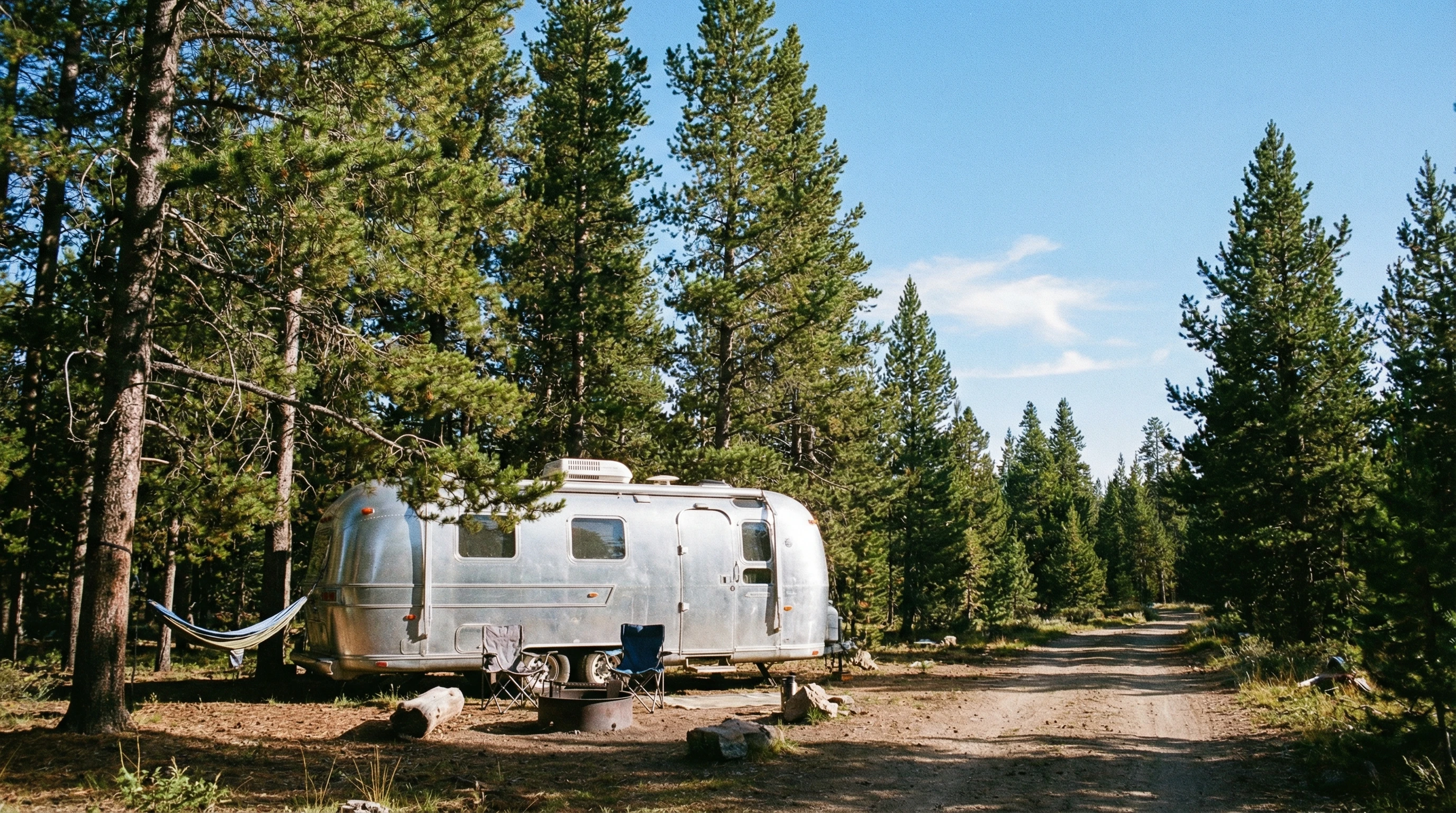
Understanding the Realities of RV Boondocking Safety
Boondocking gets you away from crowds, noise, and the parking lot feel of regular campgrounds. With that freedom comes new decisions about personal safety and property protection. In most cases, boondocking is peaceful, but being away from others means you’ll need to plan for emergencies.
Safe locations are a game-changer. Before choosing a spot, check maps, reviews, and satellite views to verify the spot’s remoteness and the surrounding landscape. I usually prefer public lands such as national forests or Bureau of Land Management (BLM) areas, where other campers sometimes pass by, but it’s still mostly quiet.
If you’re unsure about a spot, trust your gut and move along. Over time, you’ll build your skills in picking spots that just feel right.
The most common risks with boondocking include theft, weather problems, wildlife, and sometimes tricky encounters with other people. Being away from emergency services means you’ll need to think ahead about things like cell signal, escape routes, and how to call for help if you need it. Keeping these basics in mind helps you relax and enjoy those peaceful, out-there spots.
Smart Planning Before You Arrive
Staying secure starts before you even put your RV in gear. I always start with solid research. Reading recent reviews on apps and websites like RV Parky and Campendium can reveal if a spot is known for break-ins or if it’s clean and safe. Look for signs of trash or abandoned vehicles on arrival, since that may indicate you should keep driving.
I check weather forecasts for the whole time I plan to stay, not just the arrival date. Rain or snow can make roads rough or impassable, and strong winds can shake your RV. It’s worth paying attention to high fire danger, too, especially out west during the summer.
Having a backup plan is part of my routine. I pick two or three possible spots in the same area, so if one doesn’t feel right, I have somewhere else to go. I also check for nearby services like gas stations or small groceries in case I need supplies quickly.
Once I get there, I like to arrive well before dark and walk around the area. This gives me a good look at the surroundings and lets me check the ground for any hazards, like deep ruts or soft sand. It’s a nice way to get familiar with the area before settling in for the night.
Setting Up Your RV for Day and Night Security
As soon as I pull in, I take a look at my sight lines from the windows. Parking so I can see the approach road gives me a heads-up if anyone’s coming or going. I avoid setting up in dense brush where someone or something could get too close without me noticing.
Locking doors and windows whenever I leave is just good practice. I always lock up at night, too. Extra locks or security bars can make it tough for someone to sneak in. For smaller rigs, I’ve found window alarms on eBay or Amazon that make a loud noise if the window is opened. They don’t cost much, but they’re pretty handy.
On our Super C RV, boondocking in rest areas, I would use the seat belt to secure the cab entry doors to be sure no one could enter through those doors.
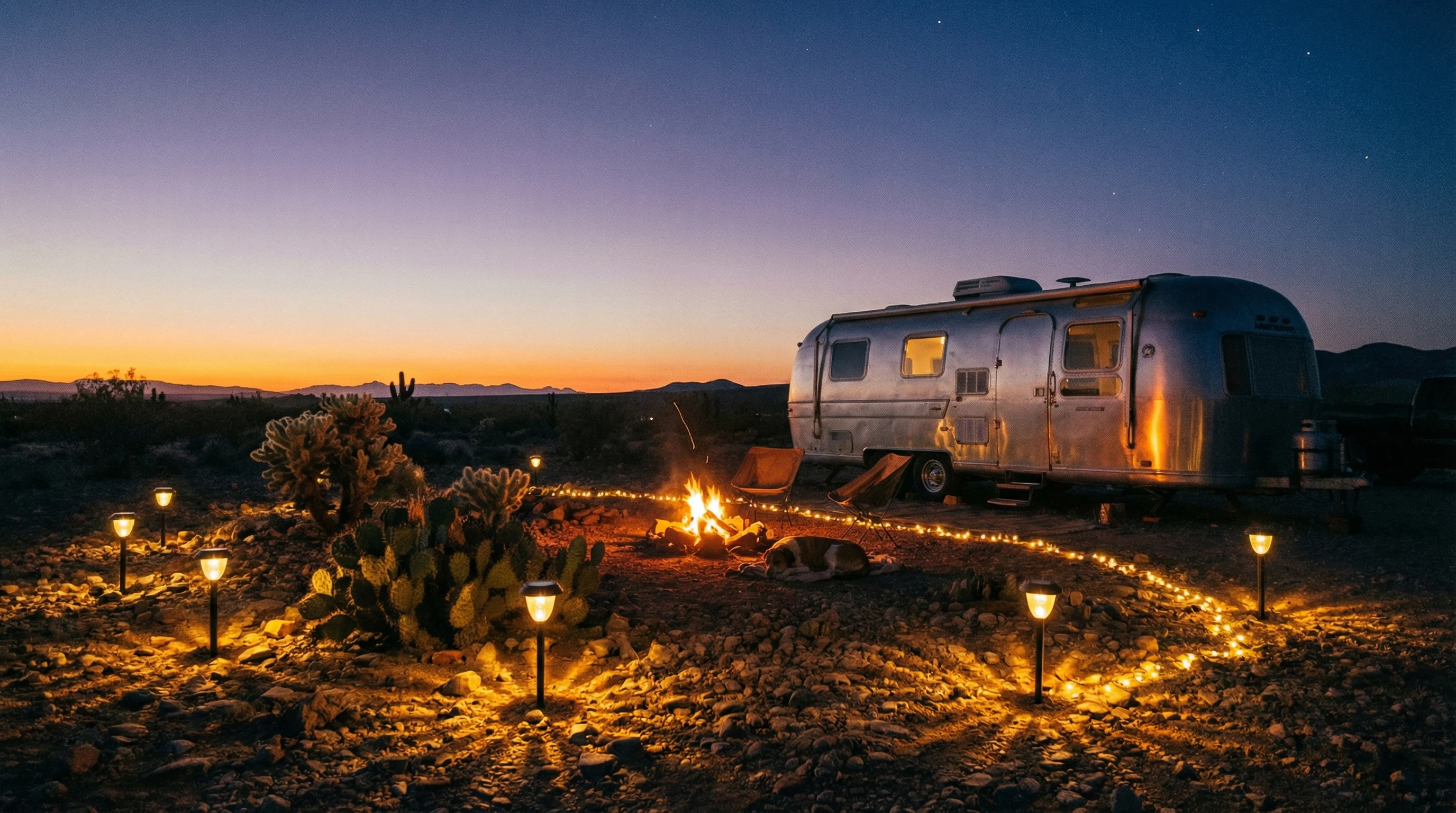
Many boondockers add motion sensor lights or simple battery-powered puck lights near the RV door and storage compartments. Even cheap solar garden lights placed around your spot have helped me see what’s moving at night. Plus, they give the impression that someone is home and paying attention.
If you have valuables, stash them out of sight. Don’t leave coolers, grills, or expensive gear outside overnight. I’ve learned the hard way that even in quiet areas, things walk away sometimes; keeping gear inside has saved me money and headaches more than once.
Personal Safety: Keeping Yourself and Pets Safe
Whenever I boondock, I stick to the basics of situational awareness. I know what’s around me, pay attention to who comes by, and keep a low profile. Making a lot of noise or leaving lots of lights on isn’t great for drawing attention, especially at night. I like it quiet and subtle. If I get a bad feeling, I just move.
Letting someone know where I’m parked is a simple step that makes a big difference. I send a quick text with GPS coordinates to a friend or family member. In places where cell coverage is spotty, having a satellite communicator like a Garmin InReach comes in handy. It’s not cheap, but I find peace of mind worth the cost.
Dogs make great travel companions and can be a loud early warning system. If you bring a pet, make sure they have a proper ID and up-to-date shots. Don’t leave your pet outside unattended, especially at night. Wildlife can be bold, and I’ve seen coyotes circle RVs hoping for scraps or small pets. I never leave food scraps outside for this reason.
Winston, our Pembroke Welsh Corgi, is our door alarm! He barks at everything with his big boy bark.
For self-defense, laws vary by state, so it’s worth checking what’s allowed for things like pepper spray or bear spray. I keep a flashlight and an air horn on hand; the sound alone is enough to startle wildlife or spook a person who shouldn’t be near the rig at night.
Having a quick escape route is one of the reasons I avoid unhooking my tow vehicle in unknown areas. I park in a way that lets me drive out without needing to turn around. If you’re in a motorhome, keep the keys in an easy-to-grab spot. I rehearse how I’d leave quickly if I ever needed to, just like a fire drill but for road trips.
Over the years, when boondocking, we leave slides in and stabilizers or leveling jacks retracted. If situations change, then we are easily able to move away from danger.
Protecting Against Theft and Break-ins
Most boondockers will never experience a break-in, but I’ve run into a few stories over the years that show it’s worth taking basic steps to protect your stuff. Locks help, but making your spot less appealing is the real trick.
Visible security cameras, real or fake, can be a good deterrent. I use a WiFi camera with battery backup that automatically records when it senses motion. Even a fake camera paired with signs like “24/7 Recording” can make looters look for an easier target somewhere else.
Keep your shades drawn at night and avoid showing what gear you have inside. I pack away tools, electronics, and anything tempting. An RV that looks lived-in and well cared for is less likely to be targeted than one that looks abandoned or empty.
Insurance policies are worth reviewing. Not everything is covered under regular RV insurance, so if you travel with high-value bikes, kayaks, or camera gear, make sure to ask about how coverage works for personal items. Sometimes it takes calling your insurance provider to really clarify what will and won’t be covered for boondocking situations.
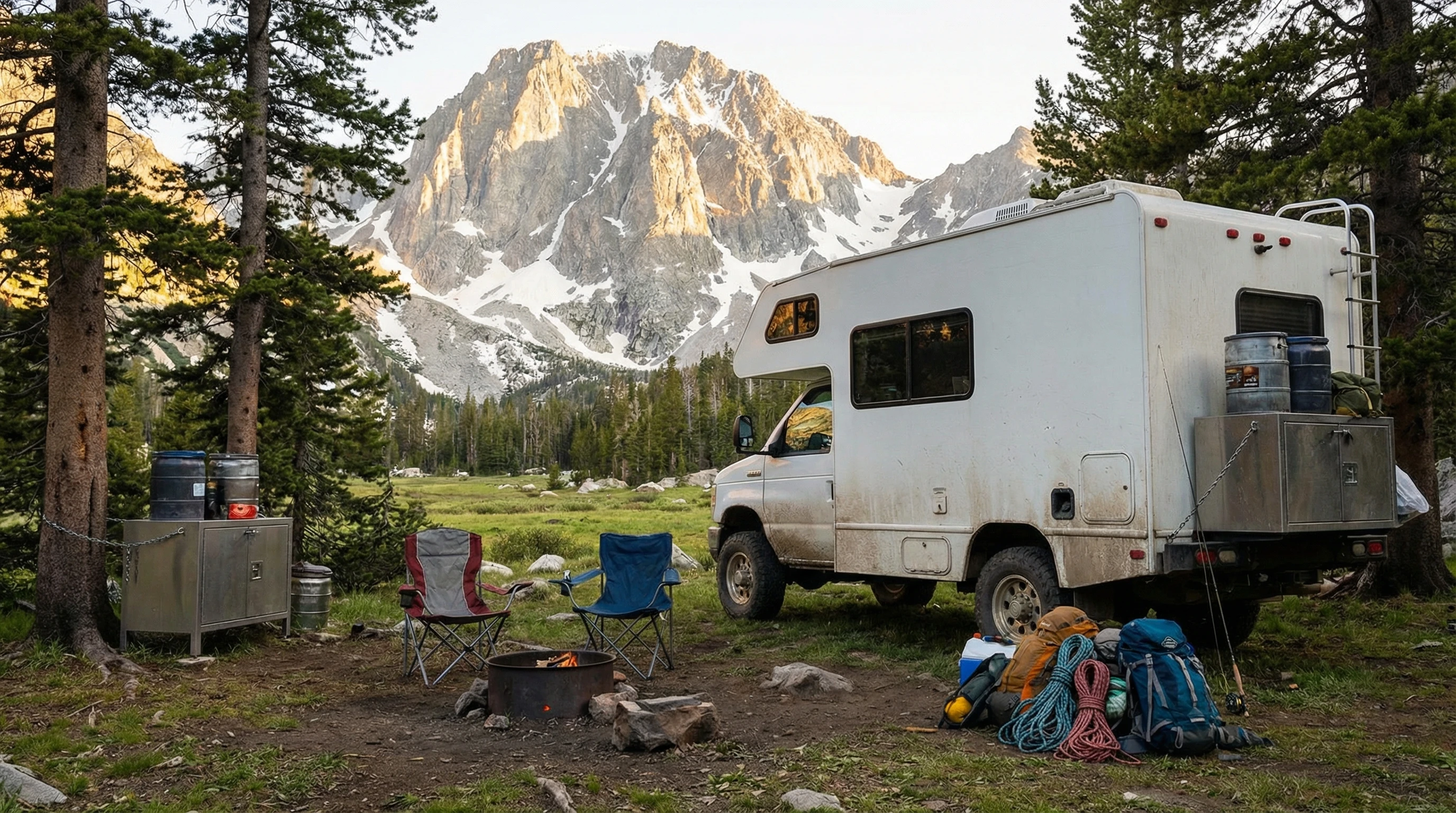
Staying Prepared for Emergencies
Boondocking safety isn’t just about locking things up. It’s about being ready for storms, medical problems, or a sudden need to leave. First aid kits and plenty of water are super important in remote spots, as is having replacement batteries for key devices.
I add extra food rations and keep my tank at least half full when far from towns. Packing redundancies for things like flashlights, chargers, and a simple tool kit has gotten me out of a jam more than once.
Knowing how to reach help matters, too. Mark out the nearest hospital, ranger station, or police post before you arrive. A printed map is your friend when cell service goes down. If storms are on the way, I’ll consider packing up early or skipping that spot.
I’ve had to move quickly before, during wildfire season, when a fire popped up fifty miles away, and having a plan saved me from getting boxed in. Make a habit of checking for emergency alerts when you’re near forested or fire-prone spots.
For power and communication, solar panels, a working generator, and a long-range radio can all help you stay in touch and keep things running. When I’m parked somewhere very remote, I set calendar reminders to check in with someone every day, just in case I need help and don’t have a cell signal.
Advanced Tips and Tricks for Confident Boondocking
Seasoned boondockers develop little routines that help them stay ahead of problems. Creating a mental checklist helps me remember to check for signs of animal activity, keep track of fuel levels, and update contacts about my location.
Solar-powered motion alarms placed near the perimeter of my site have worked well for me. These aren’t expensive, and they chirp loudly if an animal or person approaches in the middle of the night. I also pick campsites with easy exits and avoid dead-end roads unless I know they’re safe from local advice or reliable apps.
I keep a low profile when boondocking. That means not advertising plans online in real-time and being friendly, but not overly detailed, when chatting with folks who come by. Most boondockers are good people, but a little privacy adds a layer of security.
Always have a second backup source for finding your way, like a paper atlas or saved offline maps. I’ve seen phones and tablets die at the worst times. Being able to orient yourself in remote places is half the battle in an emergency. For added peace of mind, think about picking up a simple whistle or signaling mirror for an extra layer of emergency preparedness.
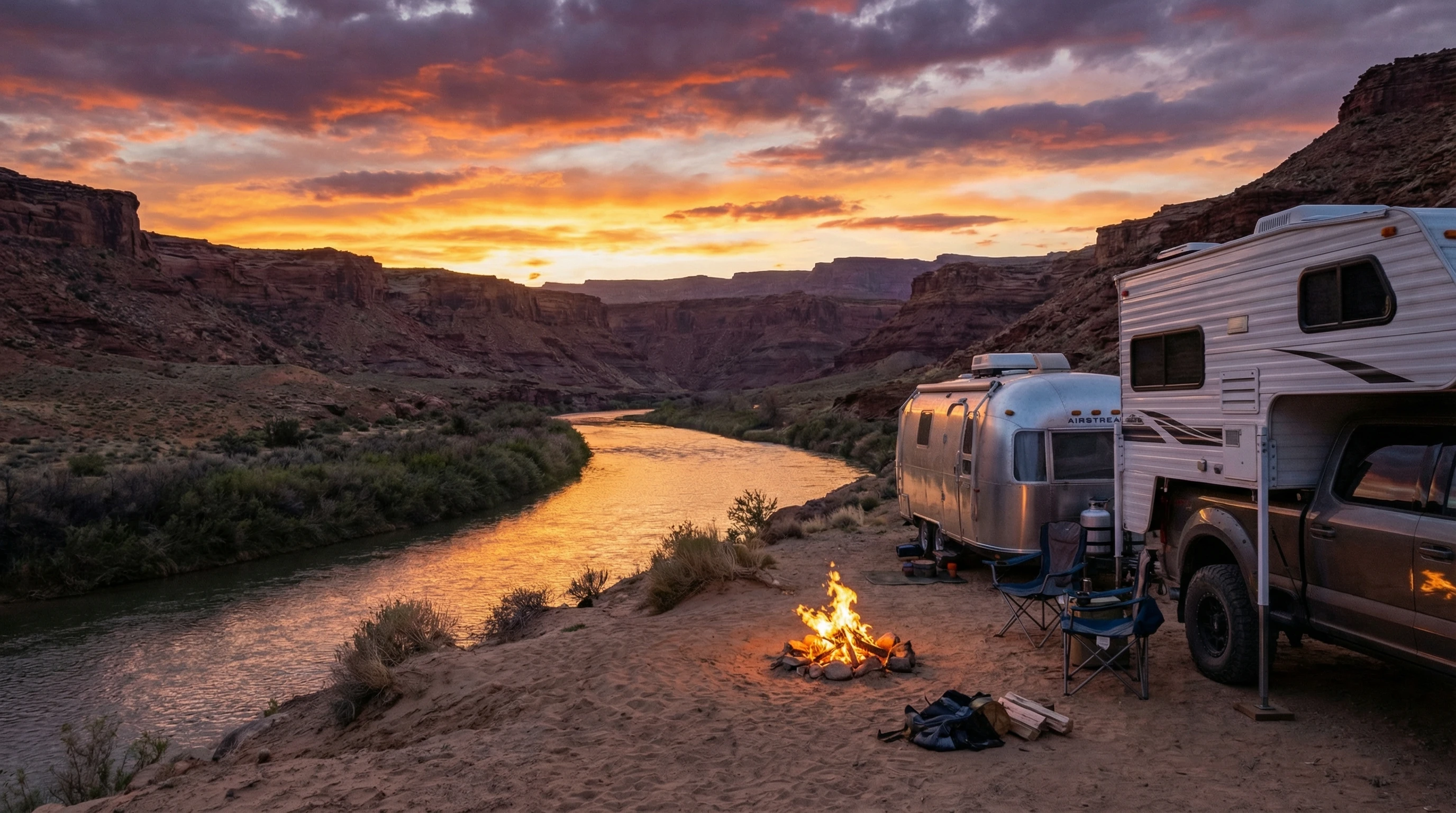
Frequently Asked Questions
Here are answers to some of the questions I get most about boondocking safety.
Question: What should I do if someone knocks on my door late at night?
Answer: Stay inside and do not open the door unless you absolutely trust the visitor. Speak through a window. Trust your instincts. If you feel unsafe, call for help or prepare to drive away.
Question: Is it safe to boondock alone?
Answer: Solo boondocking can be safe if you plan ahead, research your area, pick visible or regularly visited locations, and keep your whereabouts private. Let a trusted friend or family member know your location every day.
Question: Are wild animals a big threat when boondocking?
Answer: Most wildlife avoids people, but bears, coyotes, and raccoons go after unattended food or trash. Store all food and hide your trash. Never leave your pet or food outside overnight.
Question: How do I find help if there’s no cell service?
Answer: Carry a satellite messenger or CB radio. Prepare by marking the nearest towns, ranger posts, and public road routes before arriving. Paper maps are great backups in a pinch.
Question: How can I stop my RV from being stolen?
Answer: Besides using strong locks, wheel locks or hitch locks can prevent someone from moving your RV. Parking in plain sight, even if remote, often stops most thieves.
Final Thoughts on Staying Secure While RV Boondocking
My best defense and feeling of safety has been carrying a pepper ball launcher! They can be carried legally in 48 states of the United States without the need for a concealed carry permit. They are compact and easy to carry.
I have had a few occasions where presenting the device made a potential problem go away. Full-time RVers with nice RVs can be perceived as an easy target, even at a truck stop. Don’t be an easy target!
Safe and secure boondocking comes down to paying attention, trusting your instincts, and being ready for whatever comes up. Focusing on simple routines, like locking your doors, checking your site, and keeping communication lines open, can help you relax and actually enjoy the freedom of the road.
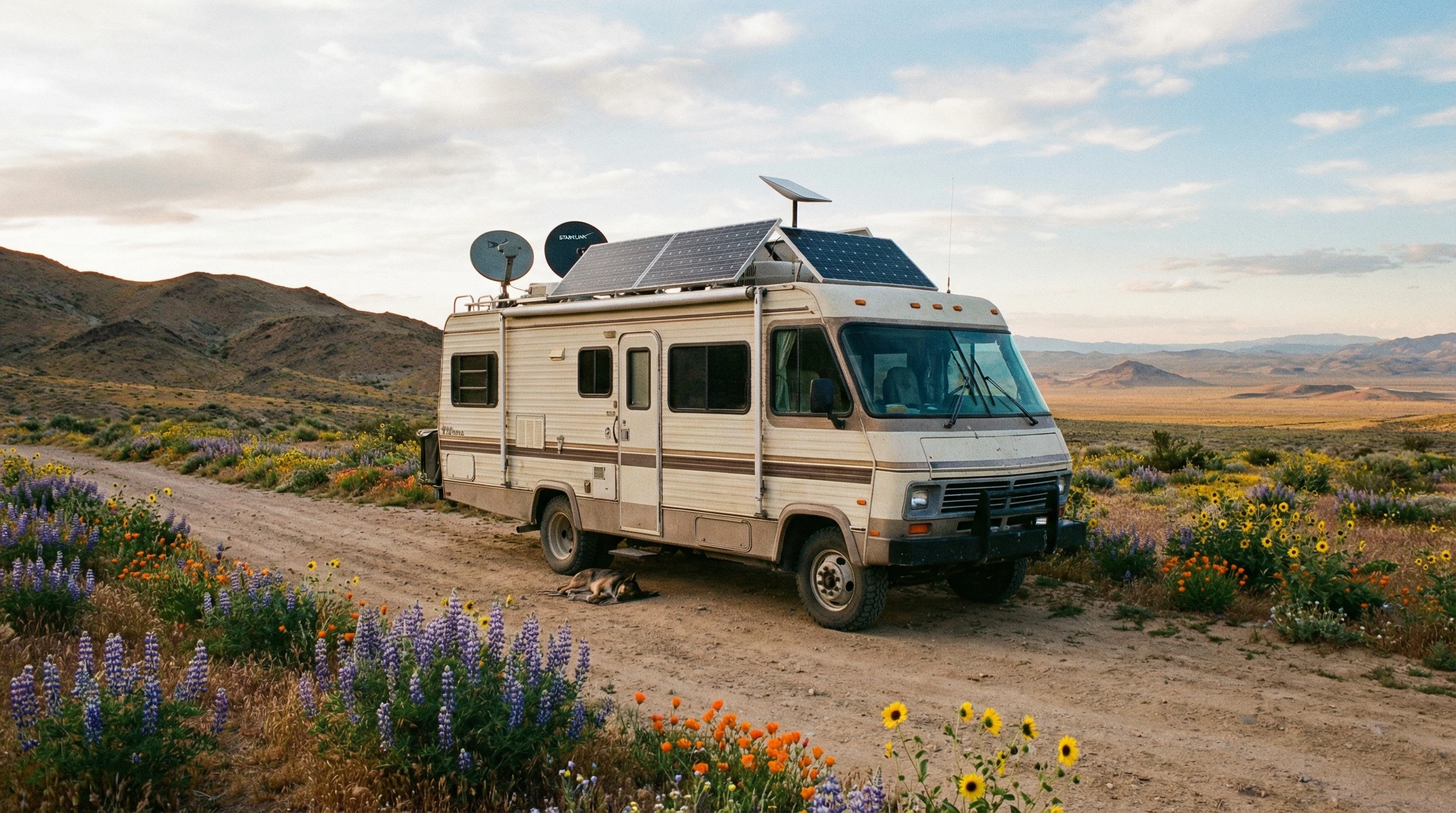
Being prepared means you get to take in the solitude, sunsets, and the peacefulness of the outdoors, knowing you’ve done your part to stay safe. And if you’re new to boondocking, keep trying different routines until you shape your own safe, rewarding adventure, unlocking the full magic of the wilderness without worry.
_________________________________________________________
What If Your RV Could Help Pay for the Journey? Could you make money while boondocking?
Many full-time RVers quietly earn money online: writing, recommending products, and building simple digital assets that generate income while they travel.
You don’t need tech skills.
You don’t need experience.
You just need the right roadmap.
👉 Discover the beginner-friendly approach! Take a look at this post on this website.





Recent Comments