
Top 10 Essential RV Tech Gadgets For A Connected Journey
Staying connected and making the most of technology can really transform an RV adventure. From navigation to streaming your favorite shows, a reliable setup brings a cozy, modern feel to life on the road.
I rely on a few solid tech gadgets to sort out daily hassles and keep things running smoothly on my own travels. Here’s my guide to the top 10 essential RV tech gadgets for a connected and enjoyable ride.
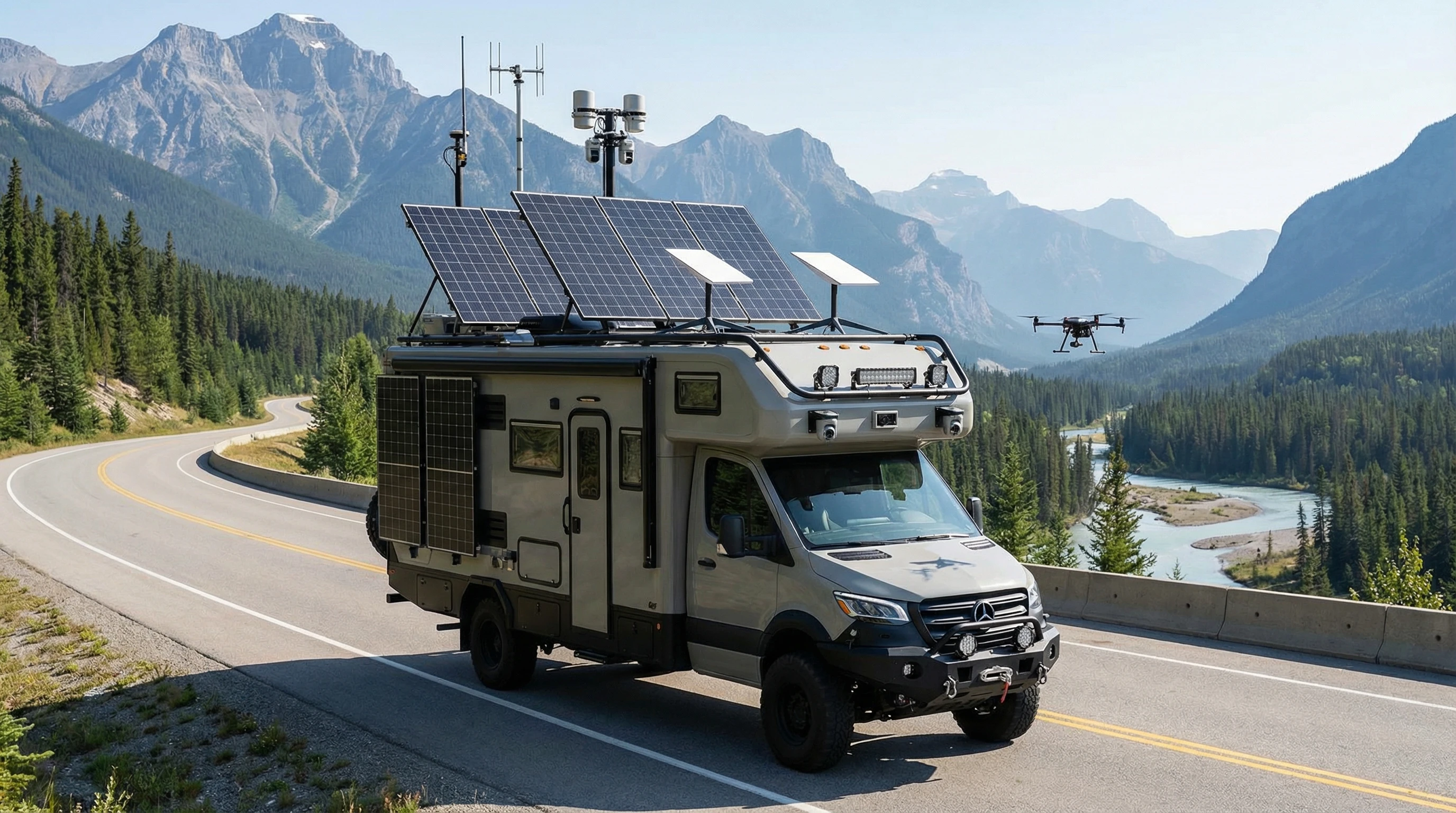
This image is a little over the top, but I would not put it past today’s Millennials to try it! 😂
Why Invest in RV Tech Gadgets?
RV gadgets aren’t just eye-catching add-ons; they make road life easier and more fun. Many older RVs lack built-in modern features, so a few smart upgrades can really make a difference. Tech gadgets can improve safety, simplify navigation, help with RV maintenance, and of course, keep everyone entertained and connected wherever I park.
The market for RV tech is growing fast. More travelers are working remotely, streaming movies at campgrounds, and sharing adventures on social media. With so many options out there, knowing what works best helps reduce headaches and saves time. Picking the right gadgets means less downtime and more relaxing under the stars.
Top 10 Essential RV Tech Gadgets for a Connected Ride
Every RVer’s needs are a little different, but these 10 tech gadgets bring a lot of value to almost any setup. These devices cover everything from internet access to safety and convenience; some come in handy for solo travelers, while others shine on family road trips.
- Mobile WiFi Hotspot
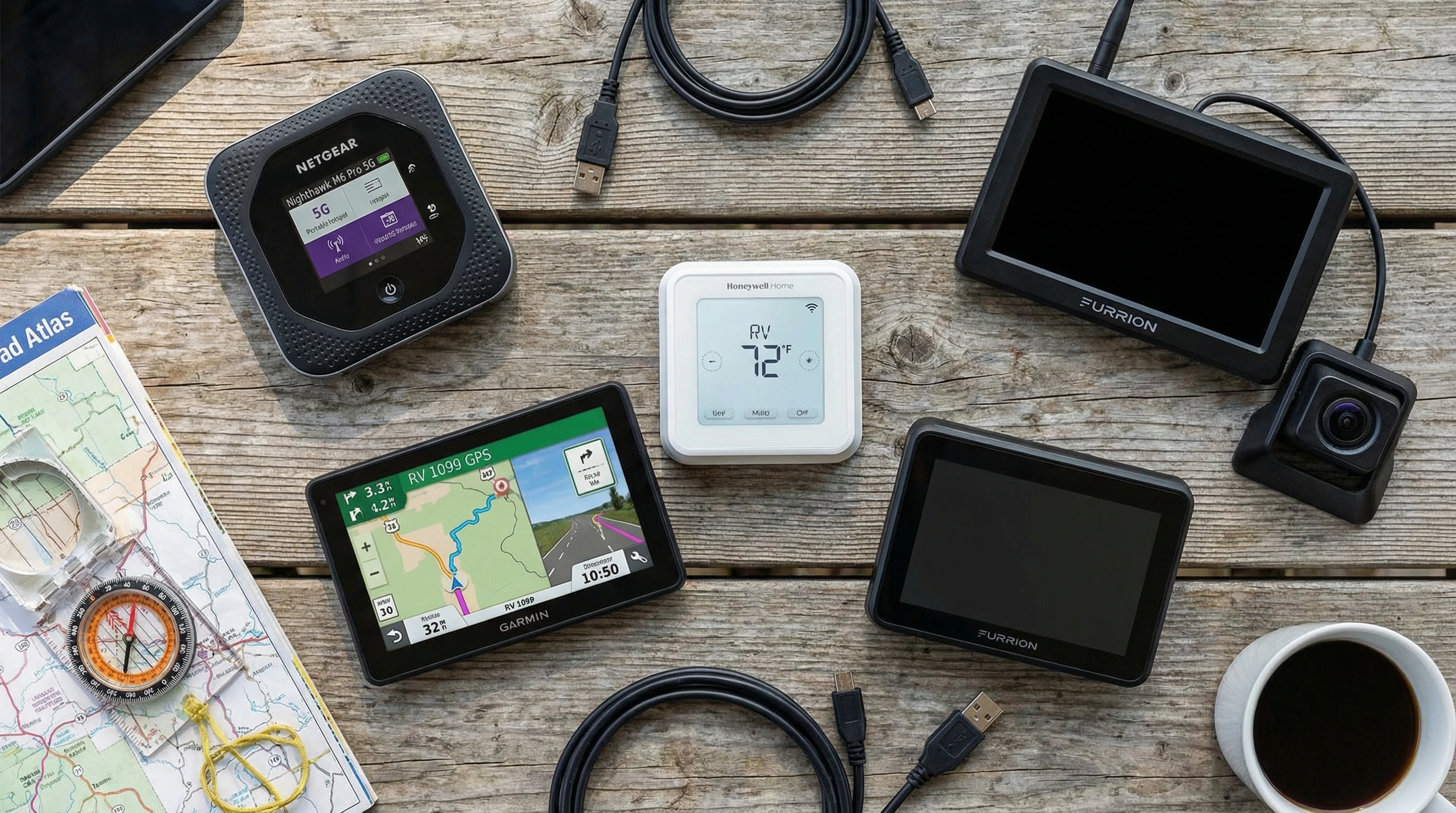
Staying connected on the go is really important for work and navigation. A compact mobile hotspot provides 4G or 5G internet coverage using a SIM card from a wireless carrier. I plug mine in near the dashboard or a window for better reception, and most units work with multiple devices at once. For those who venture far off the grid, certain hotspots accept external antennas for an even stronger signal in remote areas. - Cell Signal Booster
Many RV parks or backcountry spots have weak cell coverage. Signal boosters grab a weak signal and crank it up throughout the RV. This helps boost both data speeds and voice calls, so no more missed calls while camped among the pines. Investing in a solid booster is especially valuable for anyone relying on their phone or mobile internet for work or family communication. - GPS Navigation System
While apps on your phone work, a dedicated GPS for RVs is better for tricky routes. These systems provide oversized views, alert me to low clearances, and help avoid weight-restricted roads. Models like Garmin RV 1095 (we have used this for our large RVs for years) or Rand McNally specialize in large vehicle navigation, giving you peace of mind when heading down unfamiliar highways or city streets. - Smart RV Thermostat
Keeping the temperature comfortable can get tricky when traveling through different climates. A smart thermostat lets me adjust heating and cooling remotely from my phone. Some models even learn my preferences and help save energy, which is a real bonus while boondocking or chasing summer breezes up north. - Bluetooth Tire Pressure Monitoring System (TPMS)
Low tire pressure or overheating can turn into a big safety problem. A TPMS keeps an eye on tire status and sends real-time alerts to my phone, so I can catch leaks and faulty tires before there’s a blowout. Many systems now also give temperature readings, which helps cut maintenance costs over time. I have used the TST systems for years. - RV Backup Camera
Backing up a big rig can be nerve-racking. A wireless backup camera gives me a clear view behind, making it easier to avoid obstacles in tight campsites. Some systems offer split screens to monitor multiple angles at once—super handy for those tight spots in older campgrounds. This one is pretty cool! - Solar Generator or Portable Power Station
Off-grid camping is easier with a solar generator or portable station. These battery packs recharge with solar panels or shore power and run small appliances, laptops, and smartphones. They’re silent and clean compared to fuel-based generators, and they’re a great eco-friendly step for longer boondocking trips. - StreamFriendly Smart TV or Streaming Device
Entertaining myself or a crew on rainy nights doesn’t get much easier than plugging in a smart TV or a streaming stick. These work great with WiFi hotspots and pull up Netflix, YouTube, or Hulu, turning an RV into a little movie lounge. Look for models that offer screen mirroring and handy remote apps for even more flexible viewing options. - Smart Door Lock
Security matters, especially in busy campgrounds. A smart lock lets me unlock the RV with a code or an app, so losing physical keys is less of a worry. Some also autolock for added peace of mind, even if I’m away hiking or exploring nearby. - Leveling System with App Control
Getting the RV level can be a hassle, especially on rocky or sloped sites. An electronic leveling system or smart leveling device links to my phone and guides adjustments step by step, shaving time off my camp setup routine. Some advanced kits even feature voice prompts to guide solo travelers who are backing into a spot.
These gadgets don’t just give RV life next-level cool factor; they handle real-world challenges I face out there. A good setup also helps avoid common travel headaches. I get to spend more time hiking, relaxing, or just hanging out with friends and family instead of wrestling with avoidable problems.
Choosing the Right RV Tech Gear: Tips and Considerations
The tech world changes fast, and not every gadget suits every RV or traveler. Some devices are more helpful for fulltimers, while others make short weekend getaways easier. As you shop for your RV upgrades, here’s what I keep in mind:
- Compatibility: Make sure new gadgets work with your RV’s wiring, electrical capacity, or climate system. Some upgrades might need an adapter or extra space to install, especially in smaller rigs or vintage campers.
- Coverage Areas: Internet tools like hotspots and boosters depend on mobile network coverage. Double-check if your favorite destinations have decent service for your provider before investing in a pricey data plan or booster.
- Ease of Use: Fancy features are cool, but simple setup and controls matter. I love gadgets that work with a single app, fewer buttons, or easy-to-read screens while I’m on the move.
- Power Needs: Extra tech can drain RV power quickly, so check the impact on batteries or generator use. Some devices, like portable power stations and TVs, come in lower wattage versions for boondocking or solar setups.
Doing some research ahead of time pays off and prevents buying gear that ends up in a storage bin. Reviews from other RVers and online forums like iRV2 or Reddit/vandwellers are worth checking out for real-world tips and troubleshooting advice. Some groups even post photos or short videos, offering insight into installation quirks or must-have travel hacks.
Maximizing Connectivity: Internet and Streaming on the Road
Fast and reliable internet is a game-changer for working, streaming, or catching up with family when you’re parked in the middle of nowhere. Here are a few ways I keep all my devices linked up, no matter where I’m camped out:
- Check for Carrier Coverage: Before heading out, I look up which wireless carrier provides the strongest signal in my destination area. Sometimes, a backup SIM card with a different provider comes in super handy, especially as you travel across state lines with varying service.
- Signal Placement: I always position my hotspot or booster close to a window and far from big appliances for the best reception. Investing in an external antenna gives me a stronger connection, and it’s worth it if you often camp in remote places or thick woods.
- Prioritize Bandwidth: Heavy streaming can eat up data caps in no time. Lower streaming quality on Netflix or YouTube, or download episodes and playlists before leaving stronger WiFi signals behind. I also turn off automatic updates on devices to conserve data.
Public Wi-Fi at campgrounds is often slow or limited. For important calls or uploads, I rely on my personal setup. These upgrades keep my weekends stress-free and allow for flexible remote work whenever I need it, making RV living more dependable and less stressful.
Upgrading Safety and RV Maintenance with Technology
Tech tools go beyond just entertainment and the internet. Safety and maintenance have seen big improvements with smart monitoring and alert systems, too:
- Tire Monitoring: A Bluetooth TPMS gives early warnings for leaks, low pressure, or overheating. These simple alerts can prevent blowouts, keep fuel costs down, and even extend tire life by staying on top of maintenance. Our TPMS system has saved our bacon several times over the years!
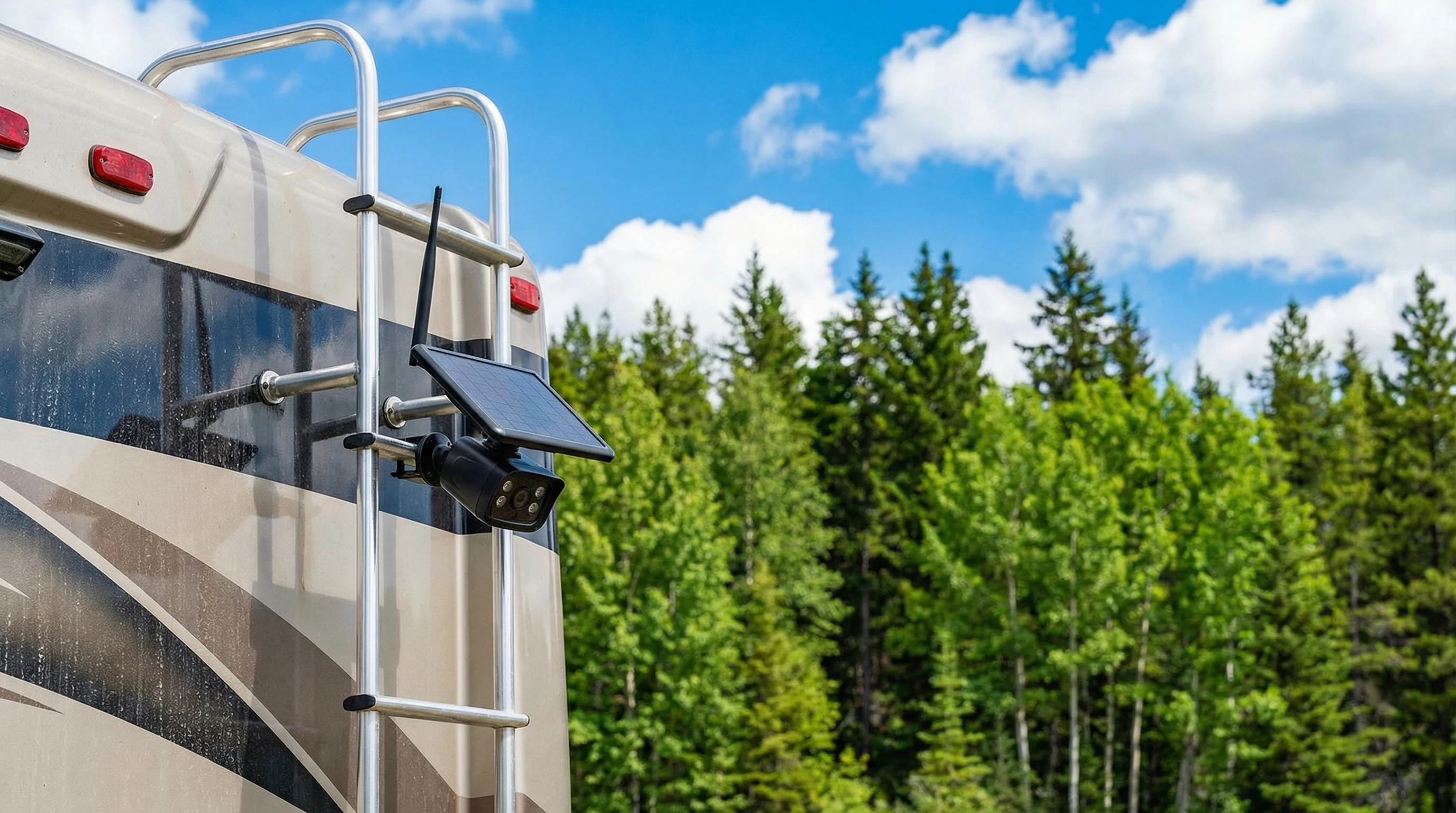
- Backup Cameras: Even older RVs can get a camera upgrade since many kits are now wireless. These help prevent dents, fender benders, or running over small obstacles when backing into camp spots or leaving tight parking lots. Some models let you record trips too—handy for capturing wildlife sightings or tricky maneuvers.
- Level Indicators: No more wood planks or guesswork. Electronic systems let me make targeted adjustments from inside the RV, saving time (and keeping floors and beds from feeling crooked).
- Remote Monitoring: Some newer models have sensors for propane levels, battery discharge, or water tank status, all easily checked through a smartphone. These remove surprise outages and make trip planning a breeze, especially for longer hauls across varying terrain.
The right gadgets help keep everyone safe, comfortable, and aware of RV health between travel days, shedding light on common problems before they slow things down.
Extra Tips: Getting the Most Out of RV Gadgets
I found a few practical habits to keep gadgets humming and rides stress-free:
- Keep charging cables and adapters organized in labeled pouches to avoid clutter and tangled cords.
- Double-check firmware or app updates before leaving WiFi behind, since some devices need internet to upgrade. This prevents annoying connection issues down the line.
- Secure all mounts and brackets to keep tech in place on rough roads or bumpy drives.
- Test every new gadget at home before hitting the road, so there are no big surprises at the campsite. If possible, keep user manuals handy on your phone or in a travel folder for quick reference.
Getting familiar with each gadget’s controls and basic troubleshooting helps save time and keeps things enjoyable wherever I end up. Planning ahead and learning the quirks of your new tech can turn problems into quick fixes instead of RV trip mishaps.
Frequently Asked Questions
Here are some common questions people have about RV tech gadgets:
Which internet option works best for RVers?
A dedicated mobile hotspot paired with a signal booster is often the top choice. Satellite internet services work almost anywhere, but more than cellular setups. If streaming or working remotely is a priority, always check provider coverage maps ahead of time.
Do I need a special GPS for my RV, or will my phone work?
Your phone does the trick in most cases, but RV-specific GPS units offer height and weight restrictions, custom routes, and bigger screens. These help avoid low bridges, winding roads, and make navigation much less stressful for large vehicles.
How hard is it to install a backup camera or tire monitoring system?
Wireless kits make installation pretty simple, even if you’re not super handy. Some plug into lighter outlets or have magnetic bases. Just make sure to check compatibility and power sources before buying a new kit.
Can a solar generator really run everything in my RV?
Portable solar power stations can handle small appliances, fans, and lights, but they’re not meant for big air conditioners or ovens. For more energy needs, combine solar generators with roof-mounted panels and battery banks for a stronger, more flexible power setup.
Are RV smart thermostats worth it?
Smart thermostats save energy, maintain comfortable temps when you’re away, and let you check or adjust settings from your phone. They’re especially useful for folks covering regions with big temperature swings or anyone trying to keep pets comfortable during quick errands.
Get the Most from Your RV Adventure with the Right Tech
The right gadgets can turn any RV into a cozy, connected, and safe rolling home. I’ve found that a little investment in tech means more freedom and flexibility, whether I’m working on the road, helping the kids stream their favorite shows, or just making setup and travel more relaxing.
Each of these RV tech essentials is worth considering if you want to enjoy a smoother, more fun ride—no matter where the next road takes you.
If you’re interested in more RV tips and gear guides, check out extra resources on our website, at RV Travel or head over to RV LIFE for advice from RVers across the country.
Feel free to leave a comment or ask your own questions. I’m always happy to share more personal experiences and tips for making the most of your RV lifestyle!
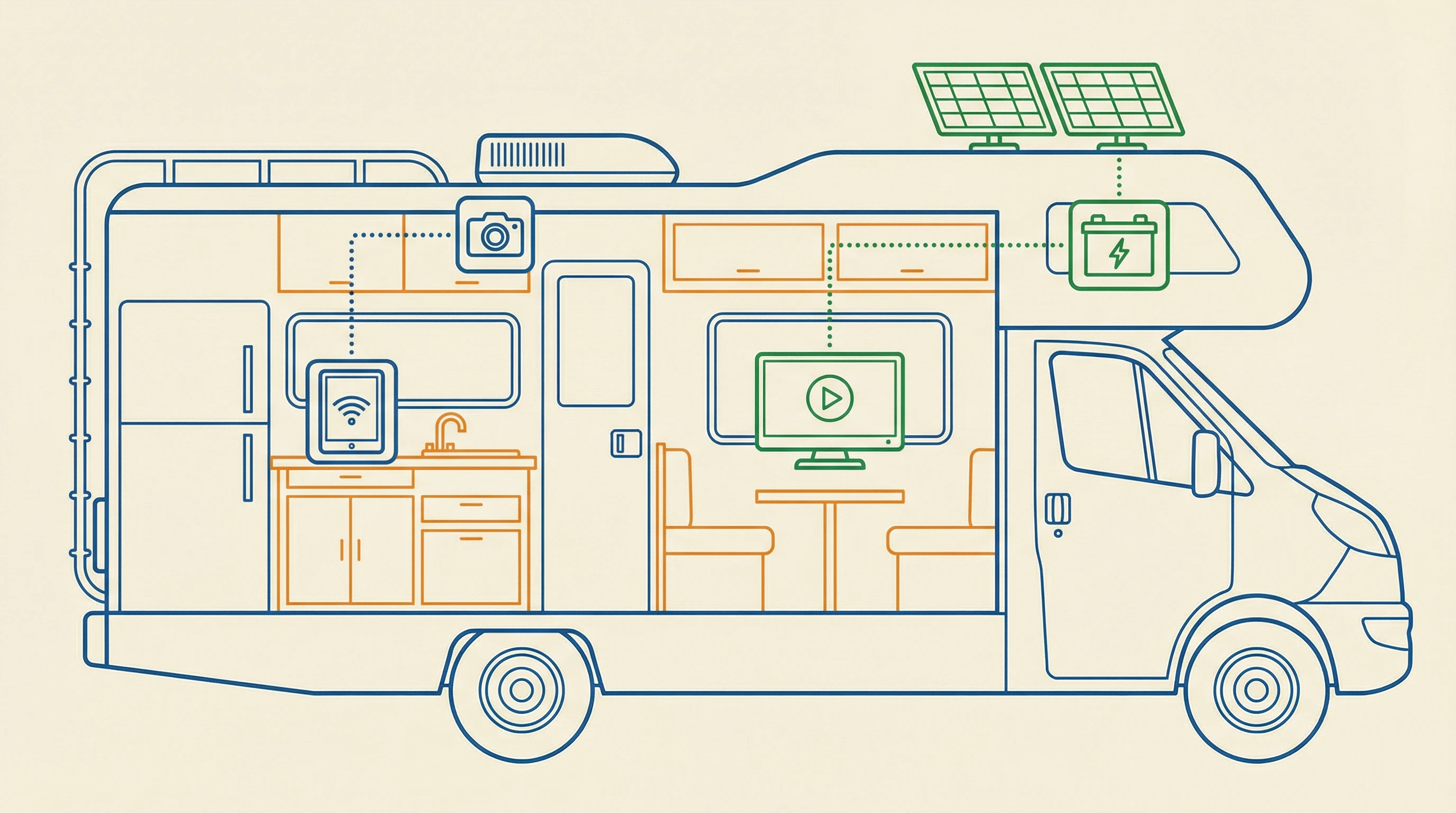
Ready to upgrade your own road trips? With the help of a few smart gadgets, life on the road gets easier, more comfortable, and a whole lot more fun.
_________________________________________________________
What If Your RV Could Help Pay for the Journey? Could you make money while boondocking?
Many full-time RVers quietly earn money online: writing, recommending products, and building simple digital assets that generate income while they travel.
You don’t need tech skills.
You don’t need experience.
You just need the right roadmap.
👉 Discover the beginner-friendly approach! Take a look at this post on this website.







Recent Comments