
Seasonal Challenges of RV Boondocking and How to Overcome Them
RV boondocking brings a special kind of freedom for folks who want to camp away from busy parks and noisy campgrounds. But staying off-grid brings up a new batch of challenges, especially as the seasons change.
I’ve spent more than a few chilly nights learning what to expect and how to adapt. Here’s my guide to the seasonal challenges of RV boondocking and how you can handle them like a pro.
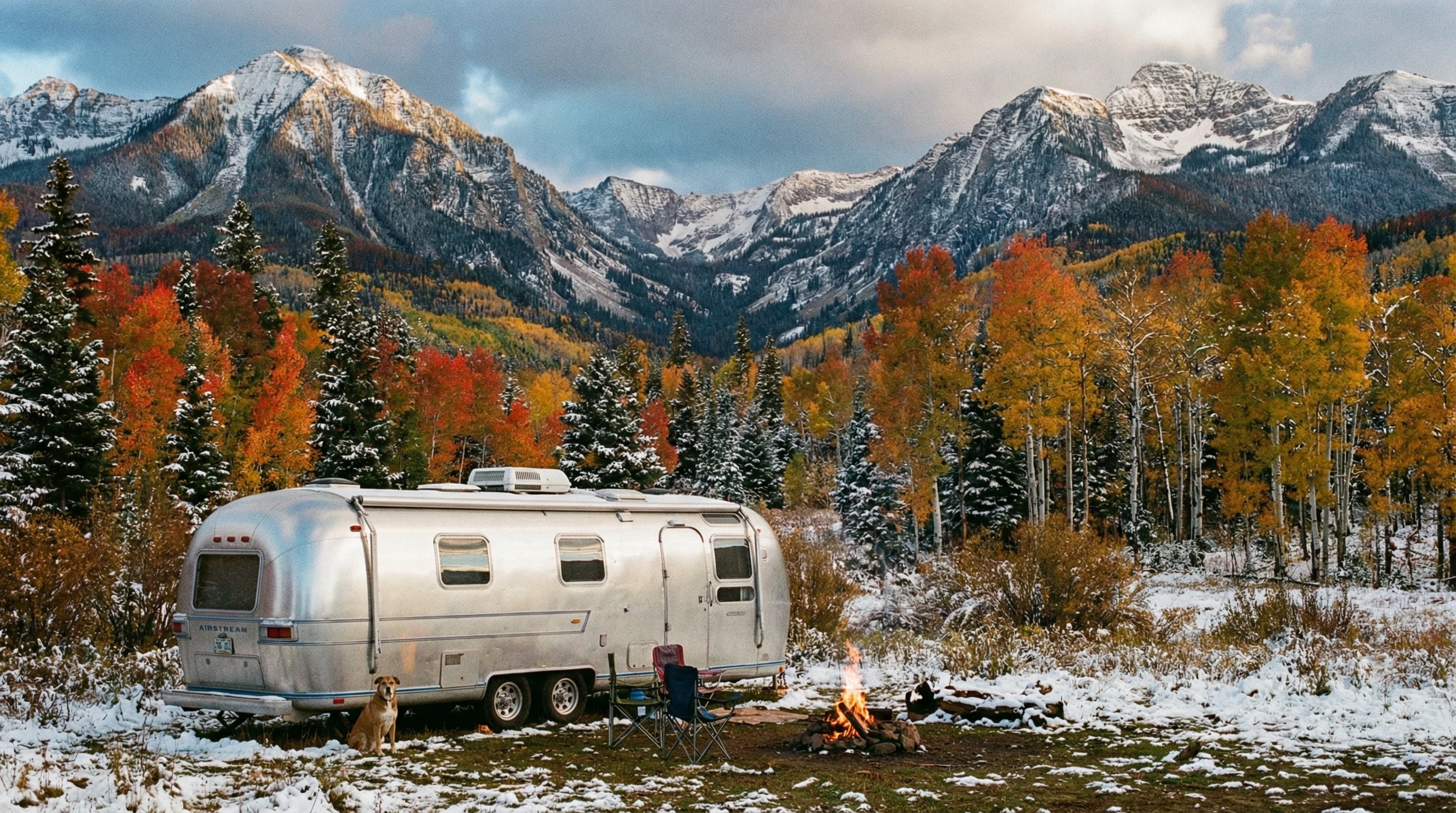
Understanding Year-Round Boondocking
Boondocking basically means camping in your RV without hookups for water, power, or sewer. Some people call it dry camping or wild camping. You might park out in the desert or hide in the forest, but the lack of services and unpredictable weather can surprise newer campers. Different seasons can change what you pack, how you prepare, and how comfortable your trip feels.
Winter brings threats like freezing pipes, icy roads, and battery drain. Summer in the desert is famous for extreme heat, sun exposure, and dust storms. Spring means mud, quick weather shifts, and bug invasions. Fall seems tame, but can be tricky with early cold snaps and leaf debris clogging intakes and vents.
Planning ahead helps you stay comfortable and safe no matter the season. I’ve had to learn that the hard way after a few rookie mistakes. The good news is that most fixes are pretty simple once you know what to expect. Here’s what you need to think about during each season and how to beat the common hurdles.
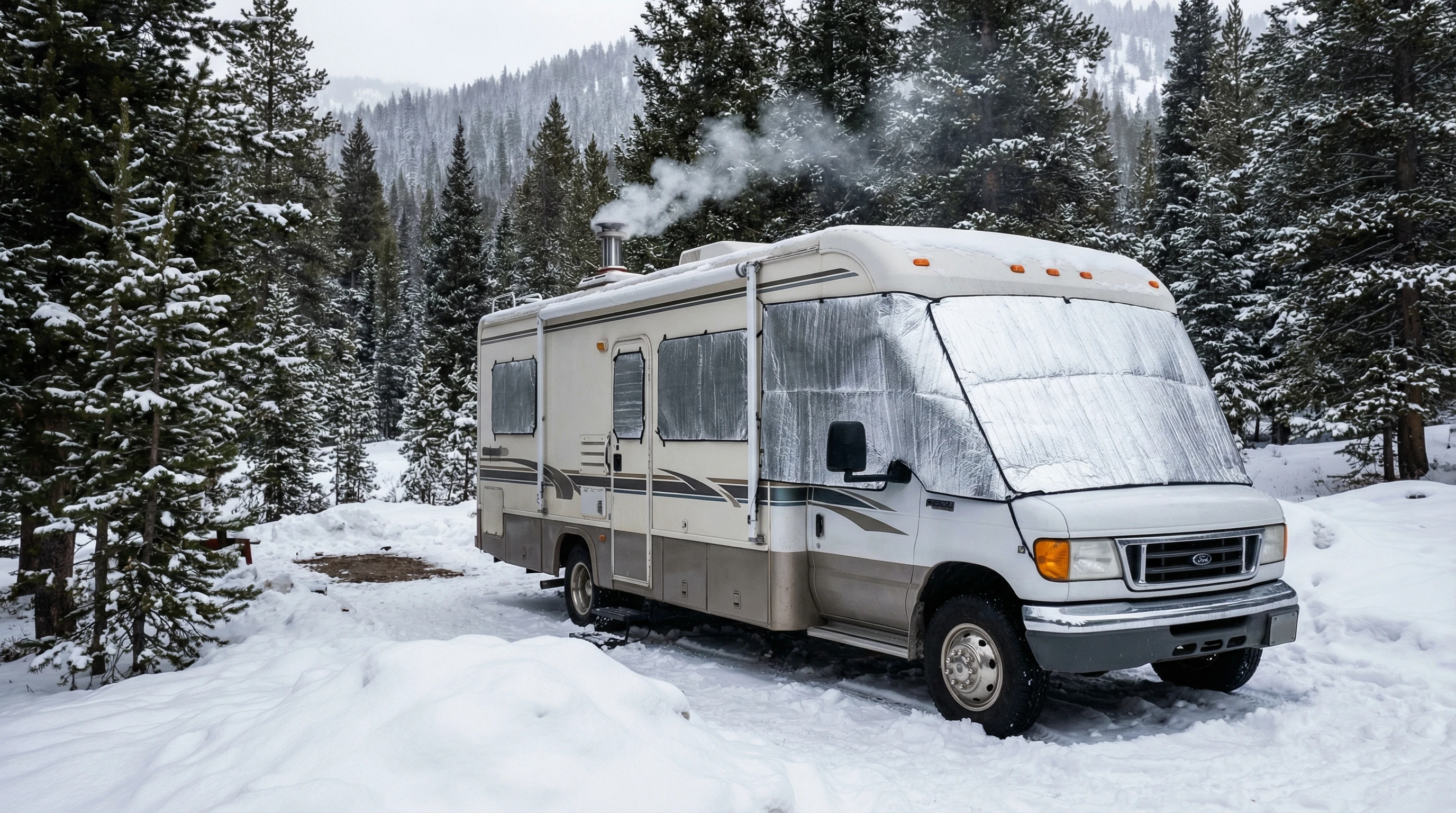
Winter Boondocking: Staying Warm and Safe
Winter camping in your RV can feel peaceful, especially with snowy landscapes all around. Quick reality check. Freezing temps and icy roads can make things difficult. One major problem is frozen water lines. That first time I woke up with no running water, I realized I hadn’t winterized things well enough. Insulating pipes, using heat tape, or just draining your lines at night can help with this.
Batteries lose power faster in the cold. Even newer lithium batteries can drop their output when temperatures really dip. I make sure to park where the sun will warm up my battery compartment, and I use insulated wraps and a small electric heat pad if things get really cold. A portable generator or extra solar panels help top things off if sunlight gets low.
Propane tanks also give you trouble in freezing temperatures. Keeping your tanks full and using a regulator that works in low temperatures comes in handy. Some folks build small insulated boxes around their tanks or use warmed covers.
Keeping warm inside the RV comes down to sealing drafts. Window insulation film and rollup thermal blinds cut down on heat loss. Rugs and foam mats help insulate floors. Small space heaters work, but you need enough battery power or propane to run them.
Nothing beats having the right gear for winter boondocking: good blankets, weather-appropriate clothing, and a backup heat source should be on your list. Check weather apps often to avoid being snowed in or caught in a blizzard miles from help.
Consider keeping essentials like a quality snow brush and ice scraper ready at all times. If you’re visiting areas where snow piles up quickly, plan out safe routes and talk to locals about possible escape routes or alternate spots to stay.
We were staying in the southeast, just ten miles north of the beach, and we got eight inches of snow and temperatures in the teens. This is not normal, but given current global conditions, anything can happen. We had to use a dust pan to shovel snow away from the RV. The DW said I am not buying a snow shovel!
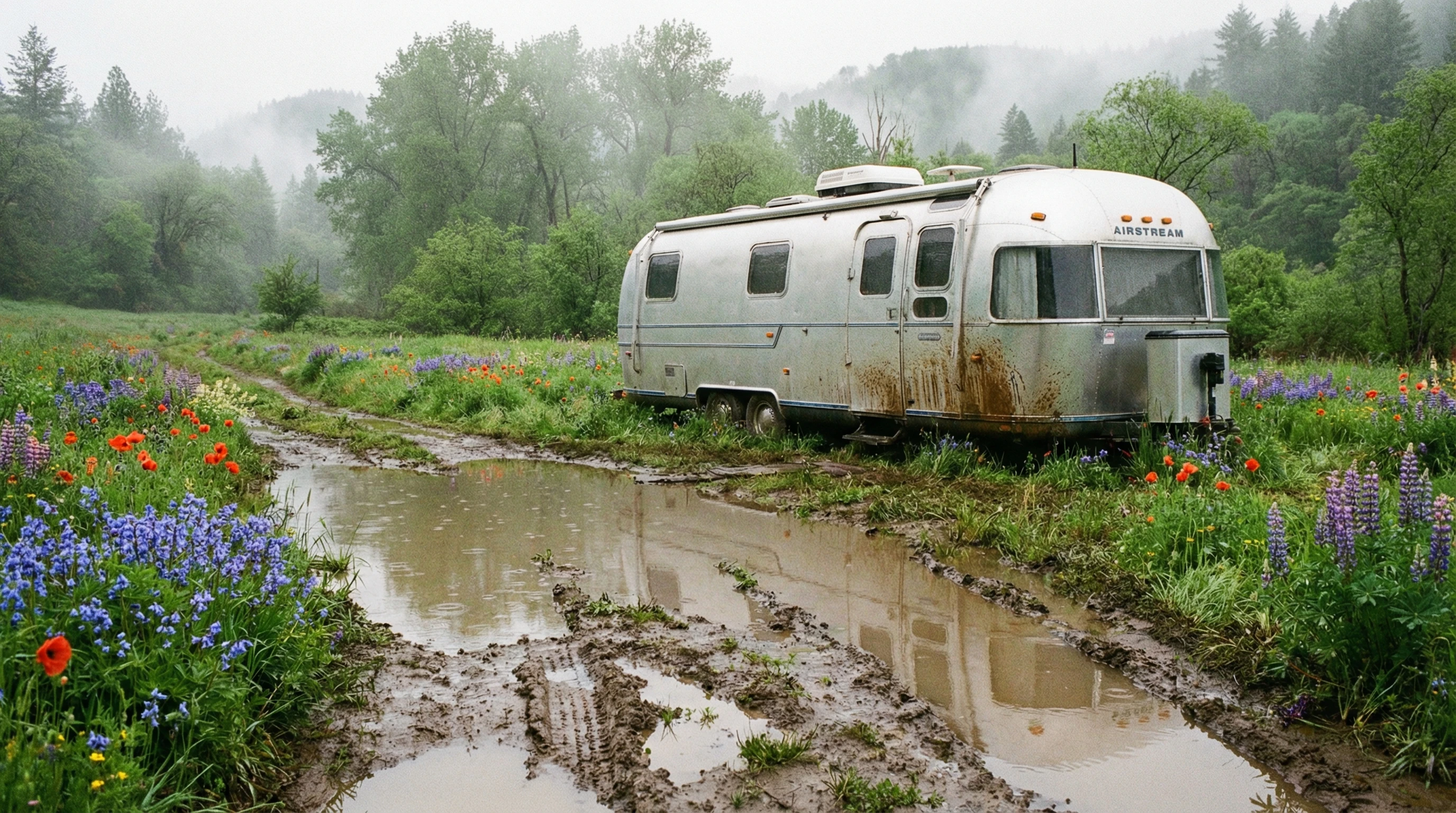
Spring Boondocking: Staying Dry and Managing Bugs
Spring is popular for boondocking trips. Trees and flowers wake up, animals start to appear, and the weather begins to warm. With rain and melting snow, things get wet and muddy fast. Soft campsites leave tires stuck and muddy gear scattered around.
If you are in these conditions, keep a set of traction boards and a shovel just for getting out of sticky mud. Keep waterproof boots by the door, and keep all outdoor gear stowed inside before a storm. Putting RV mats at all the entrances helps cut down on tracking mud everywhere.
Another common spring challenge is bugs. Mosquitoes and gnats arrive as soon as the temperature climbs. I make sure to have bug screens on every window, and I use fans to keep air moving and flying bugs out. Spraying vinegar or essential oils like citronella around entryways really helps. Don’t forget that proper food storage is a must. Critters hiding from rain will find their way to an RV if they smell anything tasty.
Spring storms can be heavy and sudden. Keeping an eye on the weather and having an evacuation plan for flash floods is important. Choose high and dry campsites, even if it means a longer walk to a lake or trail. When the ground dries, enjoy the wildflowers and new green growth, just watch for ticks and chiggers. If you bring pets, make sure to check them for hitchhikers after any outing and consider pet-safe repellents to help them stay comfortable, too.
Summer Boondocking: Beating the Heat
Hot weather boondocking is all about finding shade and staying cool. When I first tried camping in the southwestern desert, the temperature inside shot up way too fast. Parking in the wrong spot made things way worse. Now I always look for trees, natural windbreaks, and use the awning and reflective covers on sunny days.
Staying hydrated is really important. Water tanks drain quickly, so I keep jugs and portable filters around for refills. Cooling towels, portable fans, and a small swamp cooler can make daytime hours bearable. I spend more time outdoors early in the morning and late in the evening, keeping windows closed during the peak heat to trap cooler air inside.
RV fridges and AC units work harder and can draw down batteries fast in the summer. Using reflective covers on windows and vent fans to push out hot air will help. I try to camp at higher elevations where the nights cool off, or near rivers and lakes that offer a nice breeze.
Wildfires are a real concern in some locations. I always check current fire warnings and keep a shovel and hose handy just in case. Avoid making campfires if fire bans are in effect. Keeping up with local park notifications or using apps like AirVisual helps to track smoke and unsafe conditions. An emergency weather radio is also worth stashing in your RV, as it can alert you to sudden weather shifts or evacuation orders, even where cell service fades.
Fall Boondocking: Dealing With Temperature Swings
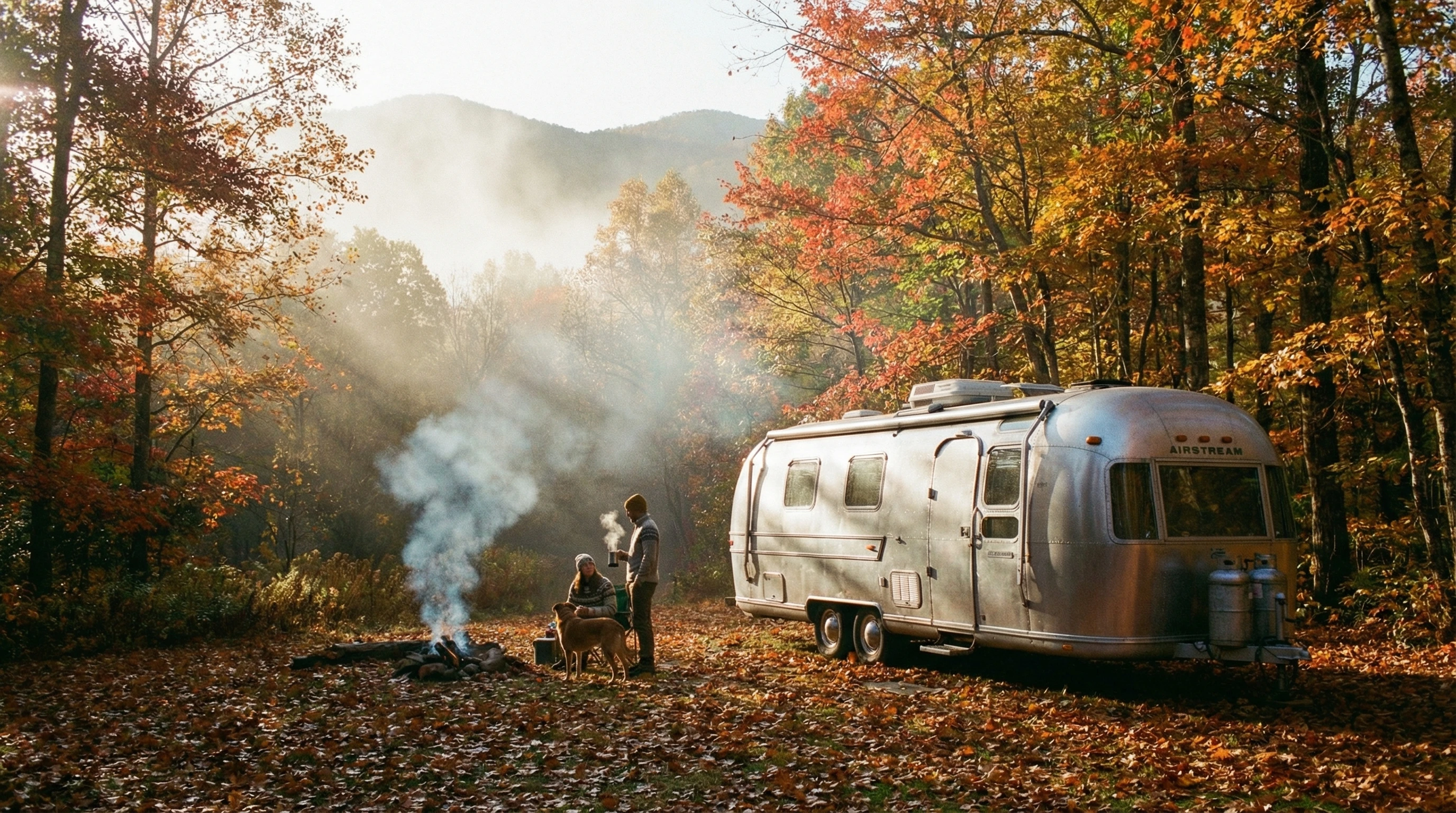
Fall boondocking is a favorite for many RVers, as it is ours! The colors are stunning, bugs are fewer, and crowds are gone. But fall can bring quick shifts from warm afternoons to freezing nights. I learned to always keep cold-weather gear handy, even on trips that start off sunny.
Condensation from warm days and cold nights can build up inside your RV, leading to mildew problems and wet bedding. Opening a vent or cracking a window helps release moist air. I use a small dehumidifier powered by an inverter for especially damp conditions.
Leaf management becomes a regular task. Vents, intakes, and roof fans can all get blocked by falling leaves. I check these every day and keep a telescoping broom handy to sweep off debris. Careful parking away from big trees reduces the risk of damage from falling branches during autumn storms.
Fall is a great season for solar power, thanks to fewer clouds and cooler temperatures, but sunset comes earlier. Planning activities around shorter daylight hours helps avoid getting caught out late, especially when hiking or using battery-powered lights. As temperatures get chillier, consider adding window foam inserts or thermal curtains to keep things toasty overnight.
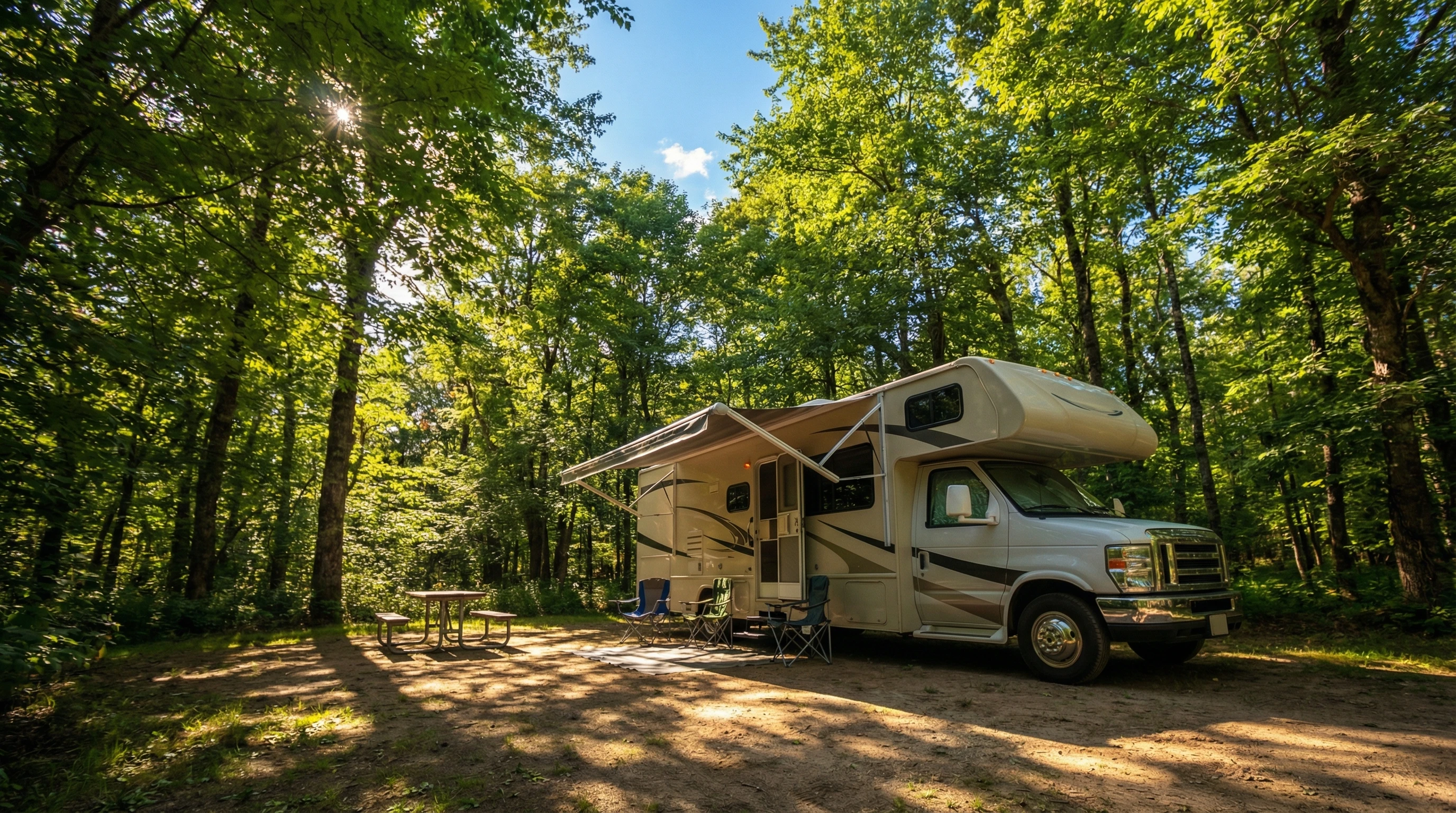
Smart Gear and Tricks For Every Season
Having the right gear helps a ton when facing different seasonal conditions. Here are some items that have consistently made my life easier year-round:
- Four-season sleeping bags and cozy thermal blankets for cold snaps.
- Portable fans, reflective shades, and mesh bug nets for hot and buggy months.
- Extra water containers and collapsible jugs for dry spells or emergency use.
- Weatherproof storage bins to keep food and gear safe from moisture and critters.
- Portable solar panels and a reliable generator for inconsistent weather.
- Basic tool kit, shovel, traction boards, and tire chains in case you get stuck or the roads get slippery.
Even with all the right gear, doing a quick system check before each trip saves a lot of trouble later. Consulting weather apps and following local boondocking groups online lets you know about changing conditions before they get too rough. Sharing information with other travelers also saves headaches and makes the adventure a lot more enjoyable.
Building a network on social media or RV forums can offer last-minute advice and tips from locals or seasoned travelers in case plans go sideways. If you keep an adventure journal, make note of which gear worked and what changes would make your next seasonal trip easier. It’ll save you time down the road.
Frequently Asked Questions About Seasonal RV Boondocking
Here are some common questions I hear from folks heading out for off-grid RV adventures:
How can I prevent my RV pipes from freezing during winter boondocking?
Insulate exposed pipes, use heat tape if you have a portable generator, and open cabinets to let warm air circulate around plumbing. If things look really cold, drain the lines at night and use jugs for water.
What is the best way to cool down an RV while boondocking in the summer?
Find natural shade whenever you can and park so your door faces away from the sun. Use window reflectors and roof vent fans. Only open windows in the early morning or late evening when outdoor temps drop. We run the AC when it’s really warm, using our portable generator to supply the electrical power.
How do I keep bugs out of my RV during spring and summer trips?
Keep screens in good shape and avoid leaving doors open. Use citronella candles or essential oil sprays and seal up tiny gaps or cracks in the RV body where insects can sneak in.
What’s the most reliable way to keep batteries charged during bad weather?
Combine solar with backup sources like a generator (this one really is the best portable generator at a reasonable cost) or portable power station. Turn off nonessential devices and charge big batteries when you have extra sunshine.
How do you deal with mud and soft campsites after rain in spring?
Avoid low areas that collect water, carry traction boards and a shovel, and route your tires over rocks or boards to avoid getting stuck.
How can I prepare for wildfire risks during summer boondocking?
Check local fire warnings regularly, avoid using campfires during bans, and keep firefighting basics like a shovel, hose, or bucket ready. Park so you can leave quickly if conditions worsen.
RV Life Can Work Year-Round
Boondocking as the seasons change is honestly one of the best ways to really experience the freedom of RV living. The right prep, smart gear, and some real-world trial and error all help make year-round off-grid camping something to look forward to, rather than stress over.
Every trip brings new lessons, and sharing what works with others keeps everyone safer and happier out on the road. Take the time to swap stories and advice with fellow campers sometimes; the best tips come from the folks parked just down the trail.
If you want to explore more about RV living, gear, and tips for online income while traveling, click here for more at Your Full-Time RV Living. Have a question or want to share your own seasonal tips? Drop a comment below and let’s swap stories.
_________________________________________________________
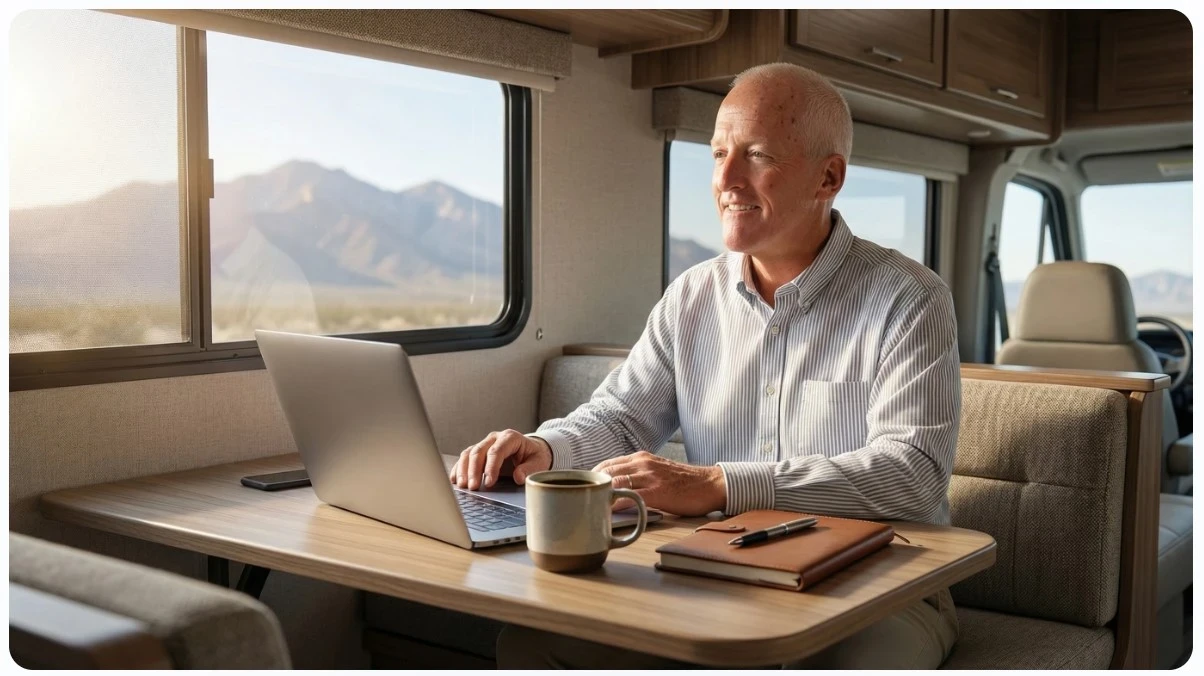
What If Your RV Could Help Pay for the Journey? Could you make money while boondocking?
Many full-time RVers quietly earn money online: writing, recommending products, and building simple digital assets that generate income while they travel.
You don’t need tech skills.
You don’t need experience.
You just need the right roadmap.
👉 Discover the beginner-friendly approach! Take a look at this post on this website.





Recent Comments