
Off-Grid RV Cooking: Simple and Efficient Meal Ideas for Boondockers
If you enjoy boondocking and exploring wild spots in your RV, you know cooking off the grid comes with a few unique challenges. Without constant hookups for electricity or water, every meal needs to be simple, efficient, healthy, and create very little waste.
I love prepping meals that let me spend less time cooking and more time soaking in the views outside my door. Here’s an all-in-one guide on making your off-grid RV kitchen work smarter, not harder, so you get flavorful, fuss-free meals no matter where you park.
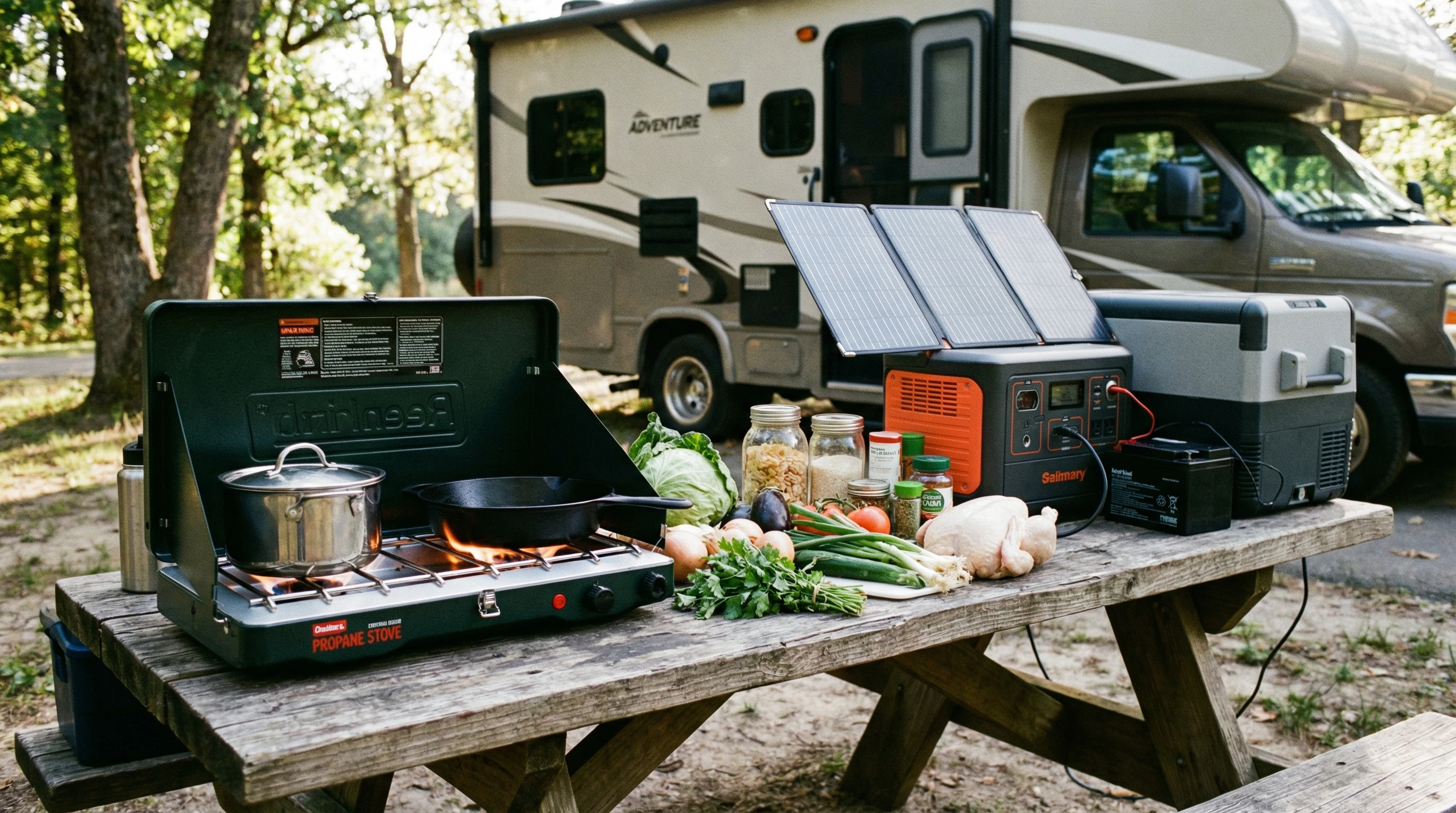
Understanding Off-Grid RV Cooking Basics
Boondocking means you’re camping outside established campgrounds, usually with no hookups for water, sewer, or electricity. Every part of RV life gets more interesting in these wild settings, especially cooking.
Without steady electricity, you’ll likely depend on propane or even a campfire. Efficient off-grid cooking is all about using fuel wisely, minimizing cleanup, and planning for limited fridge or cooler space.
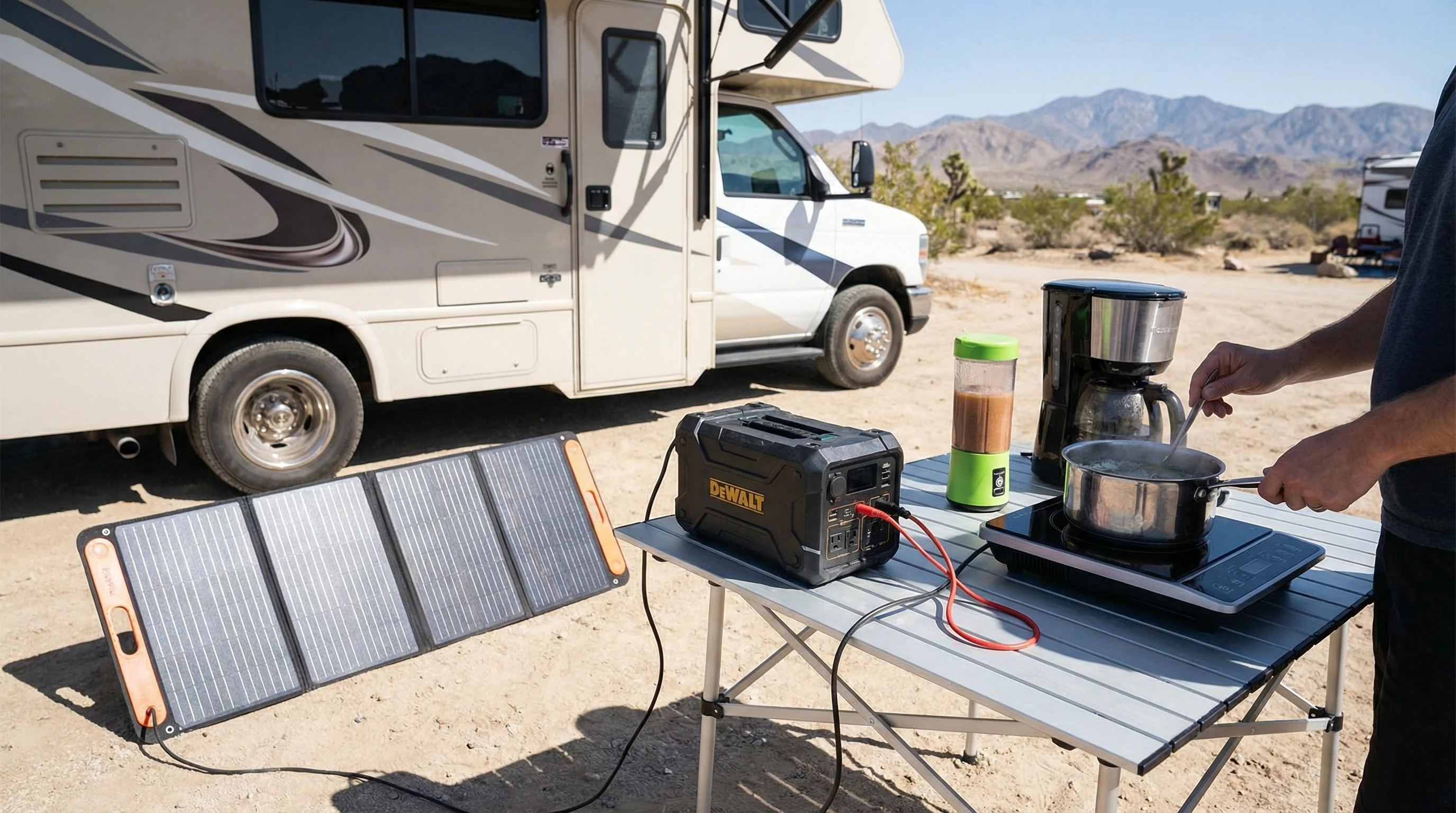
Shelf-stable foods, simple recipes, and kitchen multitaskers save space and energy. For fuels, propane is the go-to for many RVers since it can run everything from stovetops to grills. Solar power works great for low-draw appliances like coffee makers or blenders.
If you love to bake, it’s still possible with a Dutch oven over coals or a compact propane oven. The trick is adapting your home favorites for these new conditions. Keeping things flexible and easy means you get to enjoy real meals wherever you roam.
Gear You’ll Want for Your Off-Grid RV Kitchen
- TwoBurner Propane Stove: Simple, reliable, and doesn’t suck up battery power.
- Cast Iron Skillet: Cooks even over the campfire, holds heat well, and is nearly indestructible.
- Collapsible Sink: Saves space and helps with doing dishes using minimal water.
- Manual Coffee Maker: French press, pourover, or AeroPress. These all keep caffeine flowing off-grid.
- Cooler or 12V Portable Fridge: Essential for chilling fresh food if you’re out for days.
- Flexible Kitchen Tools: Spatula, wooden spoon, tongs, paring knife, and cutting board cover almost every recipe.
A few pieces of gear go a long way. I always have a solid set of stackable cookware and a basic selection of utensils. If space is tight, look for pots and pans that can do double duty. Prep bowls, measuring cups, and silicone mats can nest together and keep clutter down. With only the basics, you can still whip up some creative meals.
Smart Food Storage and Prep for Boondocking
When you’re far from grocery stores, every food haul needs to last. Plan meals that use overlapping ingredients so you waste less. Root veggies, cabbage, and winter squash last a long time without refrigeration. Shelf-stable basics like canned beans and tomatoes, rice, pasta, tortillas, and peanut butter rarely go bad or squish.
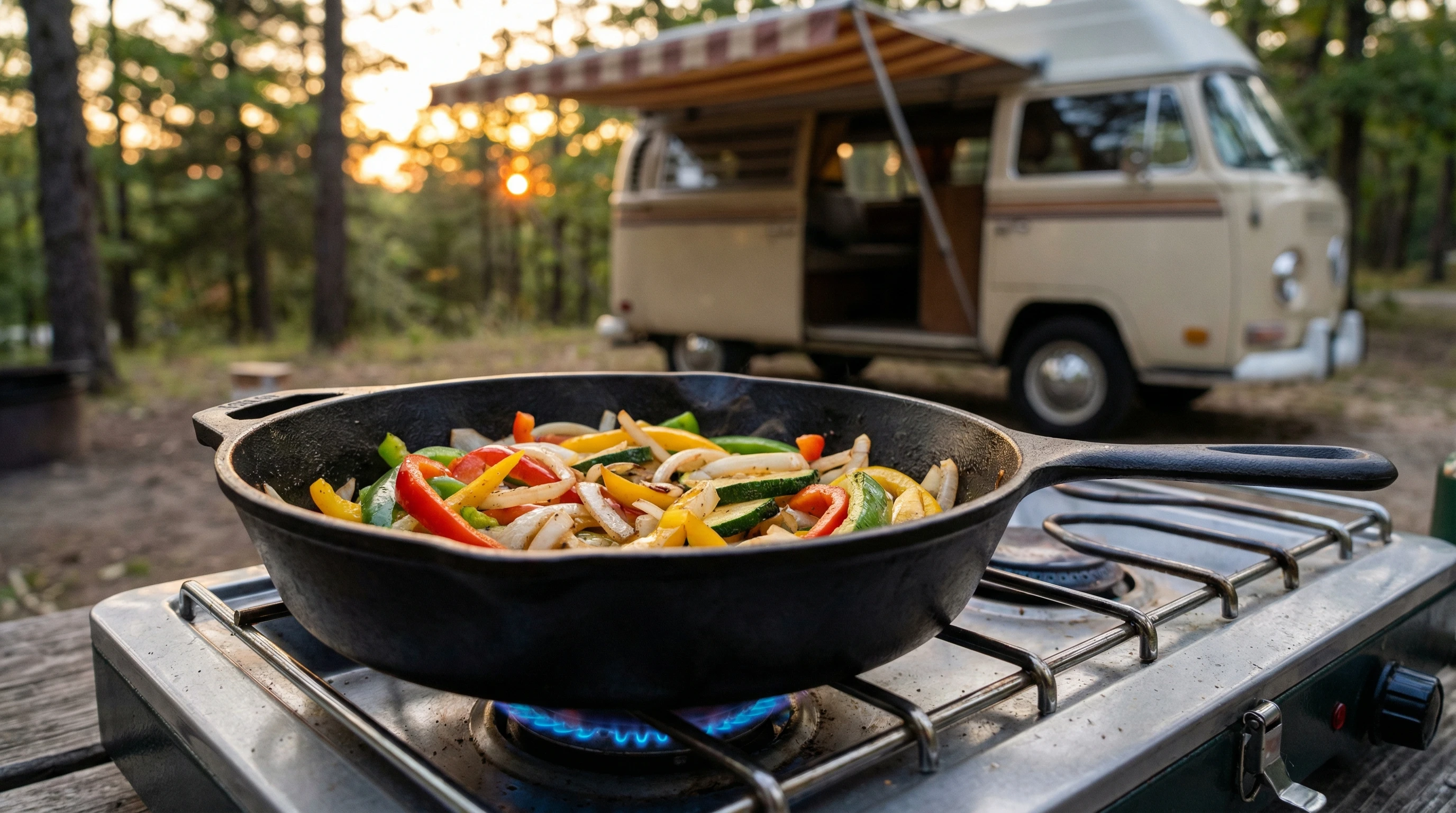
I chop onions, peppers, and potatoes in advance, storing them in screwtop containers. Doing a little prep before heading out on your boondocking trip saves both time and mess later. Pre-chopped veggies or ready-to-go spice blends are really handy when you need to throw something on the stove after a long day enjoying the outdoors.
Some boondockers vacuum-seal meats with marinades and freeze them flat, letting them thaw slowly over days in the cooler. Jars of salsa, pesto, or sundried tomatoes pack lots of flavor punch and keep well. Planning out a loose menu helps, but you’ll also want backup meals for surprises like rain or low propane. A can of chili with tortillas or tuna and instant rice can get you through.
Easy And Fast Boondocker Meals
Simple doesn’t mean bland. My off-grid go-to meals focus on a main starch, a few flavorful veggies, and a protein. Here are some real favorites that keep cleanup and fuel use low:
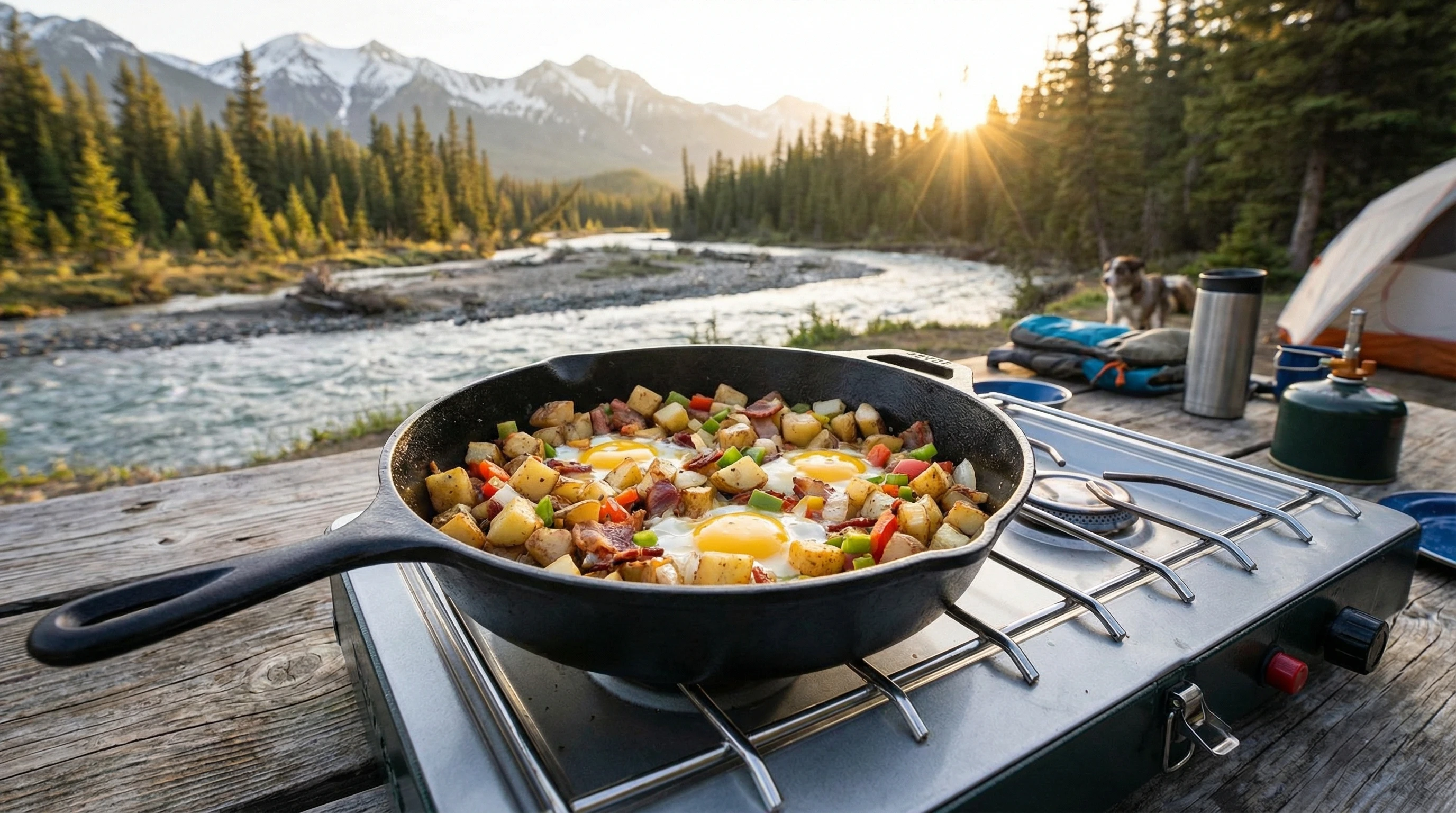
- One-Pan Breakfast Hash: Sauté chopped potatoes, onions, and peppers in a skillet. Add canned corned beef or precooked sausage. Top with eggs for a filling start to the day.
- Wraps & Tacos: Warm tortillas right on your skillet. Fill with canned beans, sautéed veggies, and cheese, then top with salsa for a hearty lunch.
- Soup or Chili: Canned beans, veggies, a can of tomatoes, and some spices simmer up quickly. Eat with crackers or fresh bread.
- Stir Fry: Use ramen or instant rice for the base, sauté sliced cabbage, carrots, and protein (like tofu or shrimp) with a splash of soy sauce.
- Skillet Pasta: Cook dry pasta in just enough water, drain off extra, then stir in a jar of pesto and some sundried tomatoes. Add canned chicken for added protein.
Choosing recipes that use just one pan cuts down the work and helps save that water for your next cup of coffee. Bread, tortillas, flatbreads, or premade pita pockets make it easy to scoop up stews or leftovers and cut back on dishes, too.
Off-Grid Cooking Tips for Maximum Efficiency
Every bit of power, water, and fuel counts. I stick to these simple strategies for off-grid cooking that really make a difference:
- Plan meals ahead: Batchcook if you can, so one meal’s leftovers become tomorrow’s lunch.
- Always use lids: Covered pans speed up cooking and keep heat in, which means less fuel use.
- Prep before you start cooking: Chopping everything at once and laying out ingredients shortens the active cook time. Less time with burners on means less fuel is used.
- Go for quick-cooking grains: Couscous, ramen, bulgur wheat, or instant rice all save propane and water.
- Bring along extra water: Not just for food, but for washing dishes. Collapsible tubs really come in handy when you need to clean up with just a gallon or two.
- Be creative with leftovers: Last night’s sautéed veggies can go into breakfast burritos or turn into soup. This saves both waste and effort.
Keeping things organized helps, too. I use stacking bins for pantry items and always keep a grab-and-go snack box for hiking or quick meals while driving. The goal is always less time cleaning and more time watching the sunset from your camp chair.
Make the Most of Minimal Power
If your RV’s battery bank is limited, you can still enjoy some electric helpers. A small solar generator or portable power station can keep a blender running for smoothies, charge a stick mixer, or keep that 12V fridge chilly. Most off-grid cooks avoid high-draw appliances like slow cookers or traditional microwaves, but if you love tech, look for low-watt versions or battery-powered options.
Check out other website posts on this website for more information on boondocking techniques.
When it’s sunny, use solar to top off batteries, and try cooking in the brightest parts of the day. Some RVers even have solar ovens for baking bread or roasting veggies, all free energy from the sun. If power gets tight, I just switch back to basic propane stoves and simple recipes. Taking inventory of what you have left at the end of each day keeps surprises to a minimum.
Campfire Cooking: Going Old School
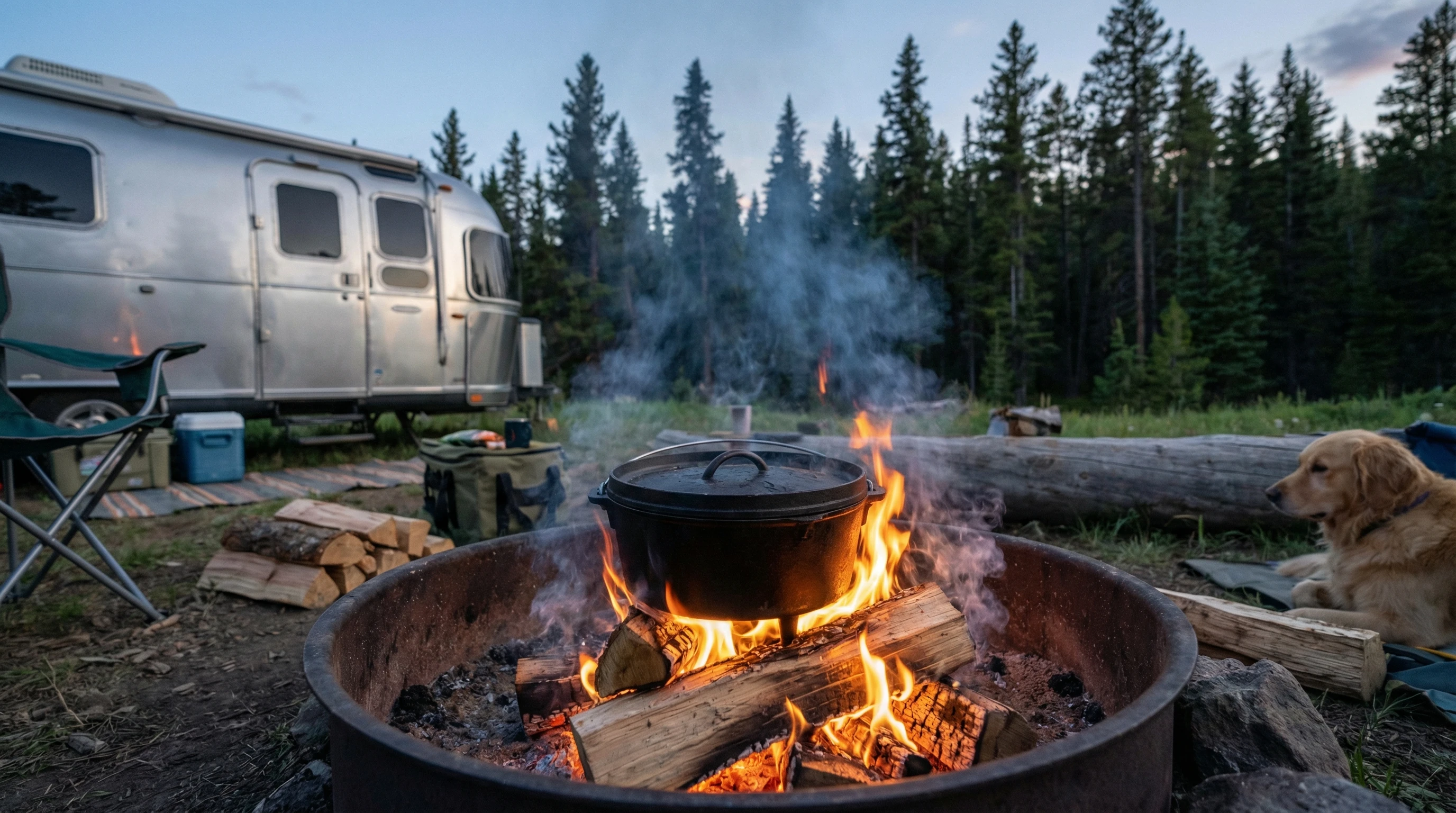
Cooking over a campfire may take a little patience, but it brings out amazing flavors. You will want heavy-duty foil, a grate, and skewers or a tripod. Dutch ovens sit right on the coals and can bake bread, slow cook stews, or even handle desserts like cobbler.
Classic foil packet meals are easy: layer potatoes, onions, carrots, and sausage or fish with butter and a sprinkle of seasoning. Wrap it tightly, toss it on the edge of the fire, and rotate every few minutes. Veggies, corn, and simple grilled meats all work well on a grate. If you want something sweet, slice apples, sprinkle cinnamon, wrap in foil, and toss in the coals for an easy dessert.
When using a campfire, remember local rules and fire safety guidelines. A bucket of water and a shovel are always by my side in case things get out of hand. After dinner, you can sit back and enjoy the warmth. Maybe toast a marshmallow or two for a treat under the stars.
Frequently Asked Questions
Here are answers to some of the most frequent questions I hear about off-grid RV cooking:
Can I use an Instant Pot or an air fryer without hookups?
It’s possible, but only if your batteries are hooked to an inverter or you have a generator that can support it. Most of these appliances draw a lot of power. For short bursts or if you have solar, you might squeeze in a quick meal. Many off-grid cooks stick to propane and only use gadgets when shore power is available.
What’s the best way to clean dishes with limited water?
Scrape dishes clean immediately, and use a spray bottle with soapy water for most messes. Rinse with a trickle of clean water and dry with a towel. Collapsible tubs help soak stubborn pans, even outside the RV.
How do I keep food cool off-grid?
A 12V fridge powered by solar is ideal, but a quality cooler works well for trips under a week. Freeze water ahead of time and pack perishables in order of use. Try not to open the fridge or cooler constantly because it loses cold air fast.
Any ideas for keeping meals interesting on long boondocking trips?
Mix up your spices, rotate proteins (chicken, beans, tuna), and try themed nights, like taco night or pasta night. Swap recipes with other travelers and keep a few wild cards in the pantry for days when you crave something different. I like protein sources found in packets: salmon, tuna, and chicken.
What’s your favorite one-pot off-grid meal?
I love a quick stir fry with instant rice, seasonal veggies, and either tofu or whatever protein is handy. It’s fast, filling, and you can switch up the flavors with different sauces.
Finding Your Boondockers Cooking Groove
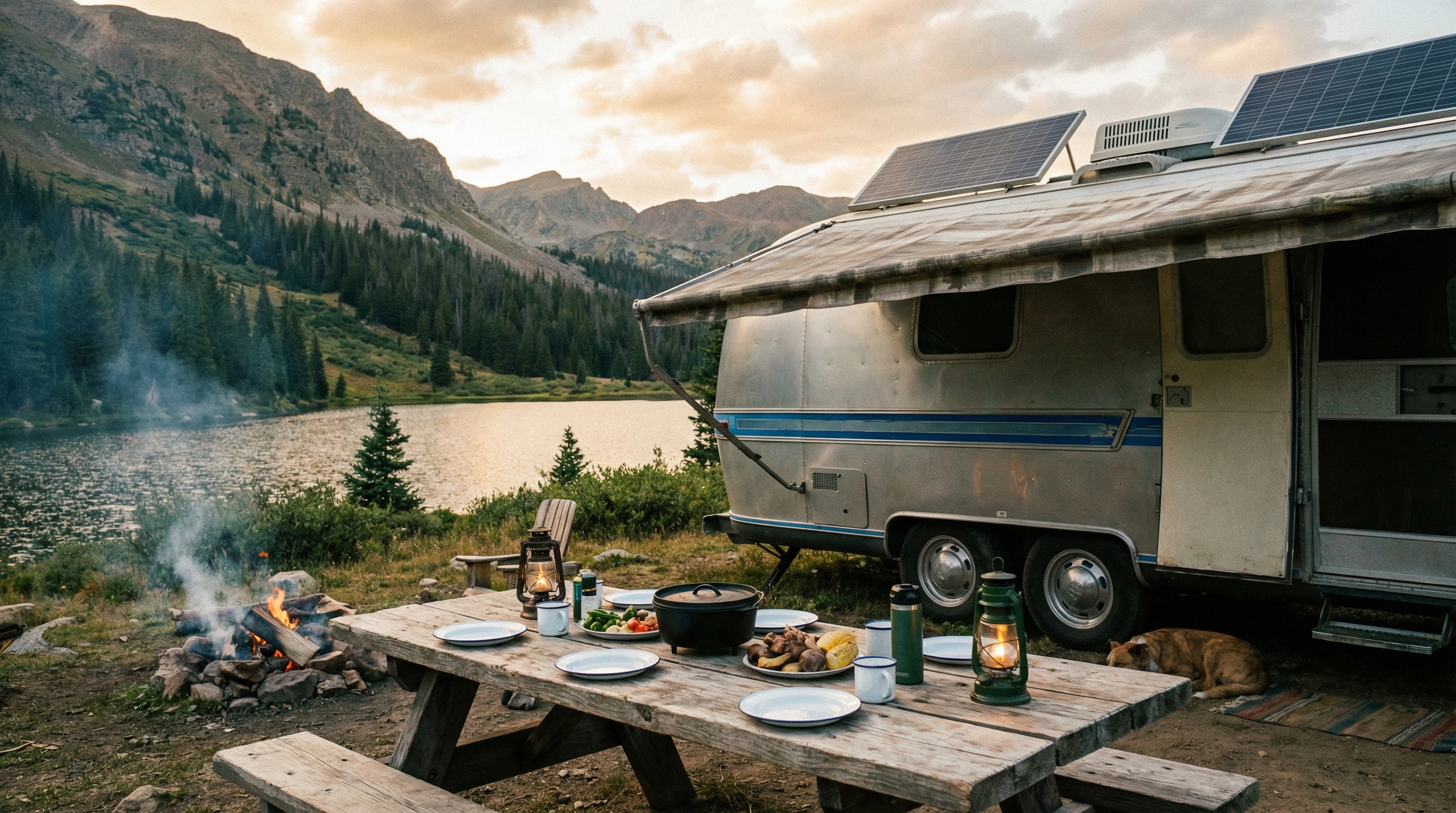
Cooking off-grid in an RV comes down to good planning, flexible meals, and keeping things simple. Every time I find a pretty boondocking spot, I look forward to pulling out the cast iron skillet and seeing what I can create with what I packed. Efficiency and creativity in the kitchen buy you more time for adventure and make meals outside an RV feel like a treat all their own.
If you want to learn more about RV living, boondocking, or finding the best gear, check out more resources and connect with the RV community. I always enjoy swapping recipes, stories, and kitchen hacks with other travelers; there’s always something new to learn on the road!
If you want to read more about RV cooking, you can check out my website post here!
_________________________________________________________
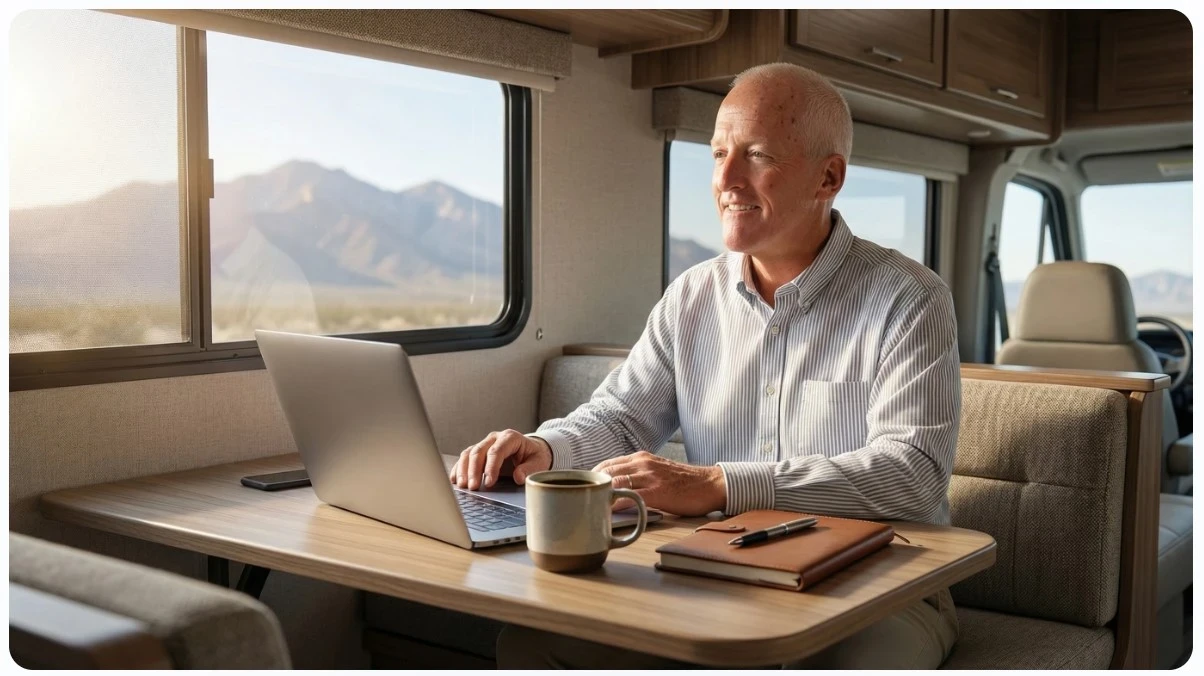
What If Your RV Could Help Pay for the Journey? Could you make money while boondocking?
Many full-time RVers quietly earn money online: writing, recommending products, and building simple digital assets that generate income while they travel.
You don’t need tech skills.
You don’t need experience.
You just need the right roadmap.
👉 Discover the beginner-friendly approach! Take a look at this post on this website.




Recent Comments