
If you’re thinking about hitting the road full time in an RV, getting your budget right from the start can save a lot of headaches. Living on wheels is fun and freeing, but there’s more to managing your expenses than just fuel costs.
Maintenance, campground fees, and a few hidden costs can sneak up on you if you’re not prepared. Here’s how I break down and plan for the big three: fuel, keeping your rig in good shape, and finding places to park for the night.
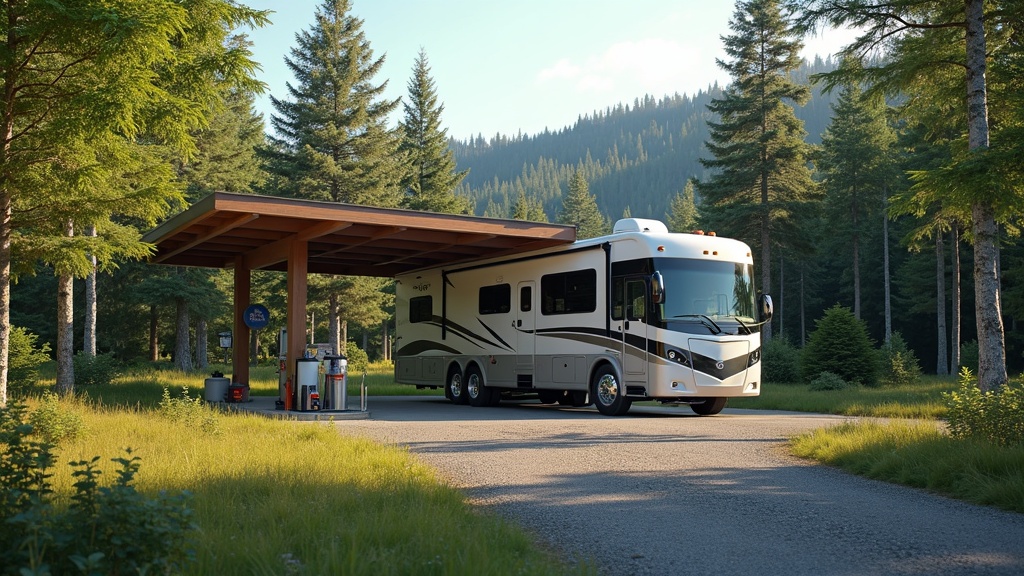
Fuel Expenses: Tracking Every Mile
Fuel is often one of the biggest costs in full time RVing, especially if you’re moving around a lot or driving a big rig. The type of RV you own, how far you travel, and where you drive all change how much you’ll spend. For example, a smaller camper van will sip gas compared to a big Class A motorhome, which can gulp down diesel at around 7 to 10 miles per gallon.
The easiest way I’ve found to keep track of fuel costs is by tracking every fill up. Mobile apps like Open Road help find the lowest diesel prices. For planning ahead, using online calculators lets you plug in your rig’s average MPG and route distance to get a fuel estimate.
It’s pretty rare to find consistent fuel prices across regions. Filling up in remote areas or after long mountain climbs usually costs more.
I usually budget an extra 10 to 15 percent for these surprise spikes. If you’re crisscrossing the country, expect prices and MPG to change with the weather, road conditions, and elevation. I keep a bit of extra cash set aside for those moments when you can’t drive past a station without filling up.
Maintenance: Keeping Your Home On Wheels Rolling
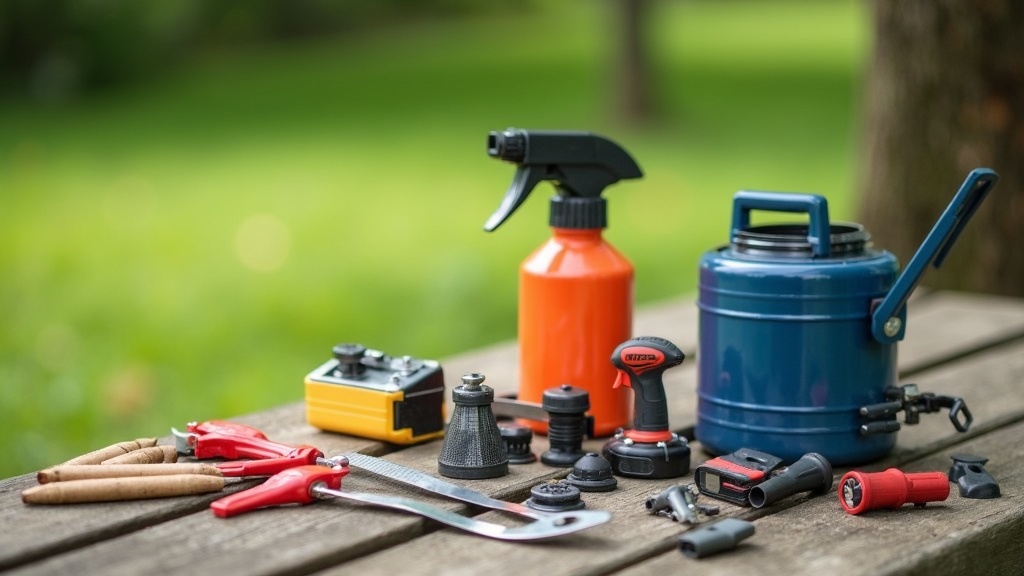
Regular care is what keeps you rolling smoothly and helps avoid big repair bills. This means oil changes, brake checks, tire rotations, and more for the drivable parts of your RV. Then there’s the RV part: water heaters, plumbing, batteries, and roof seals. I’ve learned the hard way that small problems left unchecked can become expensive fast.
My approach is to split maintenance into scheduled stuff you can plan for and surprise repairs that pop up on the road. Basics like oil changes and filter replacements have a set schedule and are pretty easy to budget. I set aside a set amount every month for these.
For bigger issues, like a broken AC, leaky roof, or new tires, I keep a separate emergency stash. I aim for $100 to $150 a month just for these unknowns, but new RV owners might want to budget more until they know their rig well.
Keeping up on regular cleaning and small inspections, especially making sure seals and slideouts are tight, saves hundreds (maybe thousands) over the long run. RV maintenance can sometimes be done at self-service lots or DIY, but some jobs need a certified tech. I look for honest local mechanics or mobile RV repair in campgrounds, as they often give fair deals and helpful tips.
Campground Costs: Finding The Right Place For Your Budget
Campgrounds are one of the bigger monthly costs, but there’s a huge range depending on your style. Some folks camp for free on public land (called boondocking), while others enjoy fancy RV resorts with every amenity. Nightly rates range from zero in the wild to $10-$20 at state parks, up to $50 or even $100 at upscale private facilities.
If you like variety, mixing free nights with paid ones can keep monthly costs low. I track average costs each month and plan for higher rates in busy seasons or popular tourist areas. You might want a campground for better hookups, showers, and laundry, but I always check online reviews or apps like Campendium or RV Life before booking.
Membership programs like Passport America, Thousand Trails, or Harvest Hosts can save a lot if you use them often enough. These require a bit of upfront research, but I’ve saved hundreds over a year just by planning ahead.
Breaking Down Budgeting By Category
Separating these expenses keeps my RV budget under control and shows me what needs adjusting in real time. Here’s how I break things down:
- Fuel: I track exact amounts spent weekly to see if I’m driving more or less than planned.
- Maintenance: Regular items go in one part of my budget, with a safety buffer in a separate emergency fund.
- Campgrounds: I log every payment and match it against the number of nights free camping, so I know if my plan is working out. Keeping receipts or using a budgeting app streamlines the process.
Many expenses pop up seasonally, so reviewing and updating my budget every couple of months keeps surprises to a minimum. I also check for discounts or loyalty rewards on campgrounds and fuel card programs. Over time, tracking these details helps me make smarter decisions about routes, destinations, and even which rig I eventually want to own.
Tips For Saving On The Road
Because every penny counts on the road, I’m always looking for simple ways to save. Driving a little slower improves fuel mileage and means you notice more along the way. Boondocking, even just a few nights per month, cuts costs a lot. I avoid touristy campgrounds during peak season and look for the gems other RVers recommend on forums and campground apps.
When it comes to maintenance, learning to fix small things yourself is super useful. There are tons of friendly YouTube tutorials and RV forums where experienced travelers share their advice. I started with basics like changing air filters and checking water systems, and over time, picked up more skills, which saved me from expensive service calls.
Some folks stick to one region or follow the weather, which also means less driving and lower fuel bills. It all comes down to knowing what you want out of the full time RV lifestyle; whether it’s exploring everywhere or staying a while in your favorite spot. I write down my top priorities each season and match my budget to what matters most.
Another tip that really helps is traveling with friends or as part of a small group. You can split some costs, like campsites and bulk food, and also share knowledge for fixing things on the go.
Many full time RVers build mini communities as they move, swapping skills, stories, and occasional tools. Having a support network not only helps with the budget but also makes being on the road more fun and less lonely.
Common Challenges, And How To Handle Them
- Mechanical Breakdowns: An engine or generator problem can blow up your budget in a day. Triple-check fluid levels and listen for odd noises, and never skip regular checks.
- Seasonal Price Swings: Unless you’re locked in at a long-term park, expect price changes over holidays and busy summer months. Booking ahead and being flexible with the destination helps get the best deals.
- Unexpected Repairs: Plumbing leaks or broken appliances pop up, even on newer rigs. Learning basic troubleshooting and carrying a few spare parts keeps little problems from getting bigger.
- Finding Reliable Service: Good RV techs are usually booked up in popular areas. Building relationships with local shops or using mobile repair services in smaller towns often gets issues fixed quickly. I learned how to fix issues myself to help solve problems quickly and reduce costs.
A community of full time RVers is always willing to help and share advice. RV groups on social media or campground notice boards are the first places I check when things go sideways. Having travel insurance or a roadside assistance plan is also worth checking out, especially on long trips.
Advanced Budget Tips For Experienced RVers
Once you’ve gotten used to life on the road, some advanced budget moves help stretch your dollars even further. I keep a detailed logbook of every route, expense, and mechanical issue. Reviewing that history makes planning the next leg of a trip easier.
Watching for patterns, maybe increased fuel costs over mountain routes or certain campgrounds that feel overpriced, helps tweak your plan year over year.
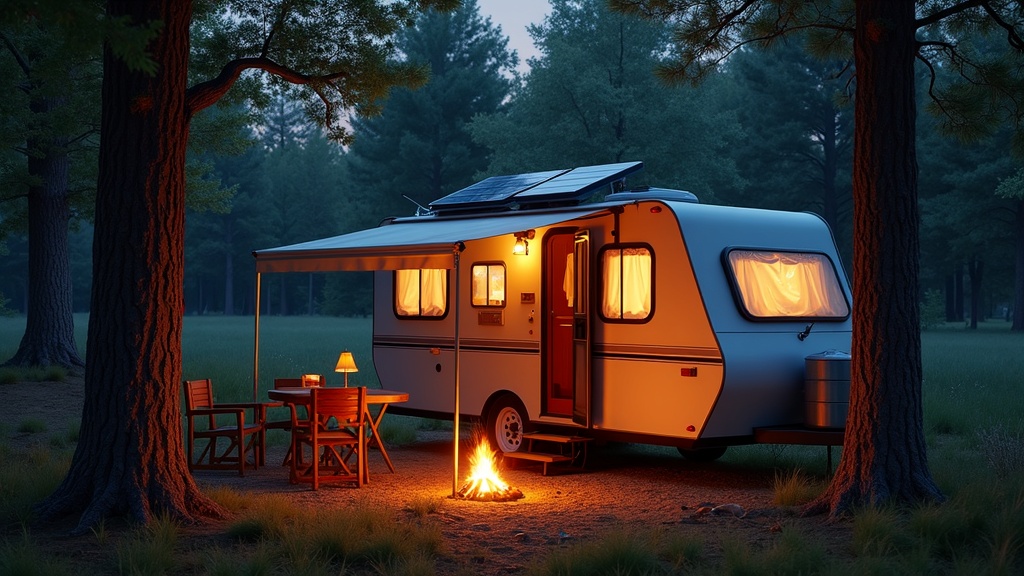
Many RVers find that annual maintenance and repairs vary depending on age, brand, and miles traveled. After a year or two, you’ll get a sense of what breaks frequently and which upgrades make life easier. Things like solar panels or better batteries cost more upfront, but they lower campground and maintenance costs for years to come.
I like to test smaller upgrades before committing big money. For instance, swapping to LED lights lowered my battery usage right away, and installing a basic solar kit paid off faster than expected.
It’s also handy to track warranty coverage or extended service plans. When repairs are needed, I always call to check if something is covered before paying out of pocket. Over time, following these small habits shapes a budget that works for my lifestyle and helps keep surprises from turning into disasters.
Staying up to date on the latest RV tech and best practices can also catch problems before they get big. Online courses or local workshops sometimes share valuable budgeting tips. Dig into articles, books, and forums for extra knowledge to get the most value out of your rig and budget.
Frequently Asked Questions
How much should I budget per month for fuel while traveling for full time RVing?
I usually see average monthly fuel costs ranging from $250 to $600, depending on rig size and travel habits. The more you move, the more you’ll spend.
What are typical maintenance expenses for a year?
This depends on your RV’s age, but $1,200 to $3,000 a year seems pretty typical. This covers regular service and some unexpected repairs. Setting aside a bit each month helps even out bigger expenses.
How can I save the most on campgrounds?
Mixing free camping with paid spots works well. Using discount memberships, booking longer stays, and avoiding high season in popular areas also helps keep costs down.
Are there hidden costs new RVers miss?
Some common sneaky costs are propane for heating, regular dumping fees for tanks, laundry, and the occasional overnight parking fee. I always keep a little extra in my emergency fund for things that pop up unexpectedly.
Do I need a separate emergency fund?
Yes, definitely. Even with a solid budget, road life brings surprises. I recommend stashing at least a few months of living expenses in a readily available account.
What is boondocking, and how does it help my budget?
Boondocking means free camping without hookups on public land or approved spots. It’s a great way to cut costs and enjoy quiet, natural spots. I like mixing boondocking with visits to developed campgrounds for showers and WiFi. At the time of this writing, I am parked in a rest area in Illinois for the night.
Explore More About RV Life
Traveling in an RV full time requires smart planning and flexible thinking. By tracking your major expenses: fuel, maintenance, and campgrounds, you stay ahead of surprise costs and keep the adventure going strong.
Over time, the best routines and tips are the ones you tweak for your own style of living. Join the vibrant RV community, keep learning new hacks, and enjoy the ride wherever it takes you.
If you have questions, need help with budgeting, or want to share your favorite campground hack, drop a comment. Happy travels and smart budgeting on the road!
If you want to learn more about making money from the road or ways to support your RV lifestyle, check out resources from experienced travelers and consider starting an online business you can take anywhere. The world of full time RV life is always evolving, and there’s always something new to check out when it comes to saving money and finding hidden gems on your adventure.






Recent Comments