
If you’re spending life on the road in your RV, picking your legal domicile is more than just filling out paperwork. The state you select as your “home base” affects your taxes, mail, vehicle registration, voting, and even health insurance.
Many people skip over the details or assume it’s just a formality, but your domicile choice can shape your entire budget and travel plans.
Understanding Domicile: What it Means for RVers
Domicile basically means the one state you treat as your permanent home, even if you’re traveling full time. For RVers, this gets a bit tricky since the idea of “permanent” is pretty flexible when the RV is always on the move. Your domicile isn’t just a mailing address; it’s the state you claim as your legal residence for taxes, voting, driver’s license, and even jury duty.
You do not get to freely switch domicile every year based on tax rates. States want to see some proof that it’s your “real” home. Things like spending time in the state, updating your driver’s license, registering vehicles, joining local clubs, or using local doctors help show you’re serious. For most full time RVers, popular domicile states include Texas, Florida, and South Dakota, thanks to their tax perks, simple registration, and friendly attitude towards travelers.
Tax Factors That Are Shaped by Domicile
Your domicile is probably the biggest lever when it comes to your RV life taxes. Some states have zero state income tax, while others can really put a dent in your income. Here are a few tax-related topics that matter most:
- State Income Tax: Alaska, Florida, South Dakota, Texas, Nevada, Washington, and Wyoming don’t charge any state income tax. This can save you thousands, especially if you’re still working or have a remote job.
- Sales Tax and Use Tax: Some states have high sales taxes on vehicles or require you to pay use tax based on where you physically use your RV. It’s wise to double-check rules so there are no surprises if you buy a pricey motorhome.
- Property Tax: Even though you may not own a traditional house, some states levy personal property tax on big-ticket vehicles like class A motorhomes.
- Vehicle Registration Fees: Registration costs, renewal processes, and inspection rules also vary widely between states.
Choosing a state with the lowest taxes rarely means “free money.” Sometimes states with low or no income tax charge higher registration or sales taxes, or have trickier insurance requirements. Balancing all these costs is key. For instance, South Dakota is famous for its cheap registration, but if you need constant access to a broad healthcare network, Texas might make more sense. Being thorough in your research can prevent expensive surprises.
Steps to Establish Your Domicile Legally
Establishing domicile is a multistep process. Picking an address or staying at a campground just once a year probably won’t cut it. Here’s how to set yourself up properly:
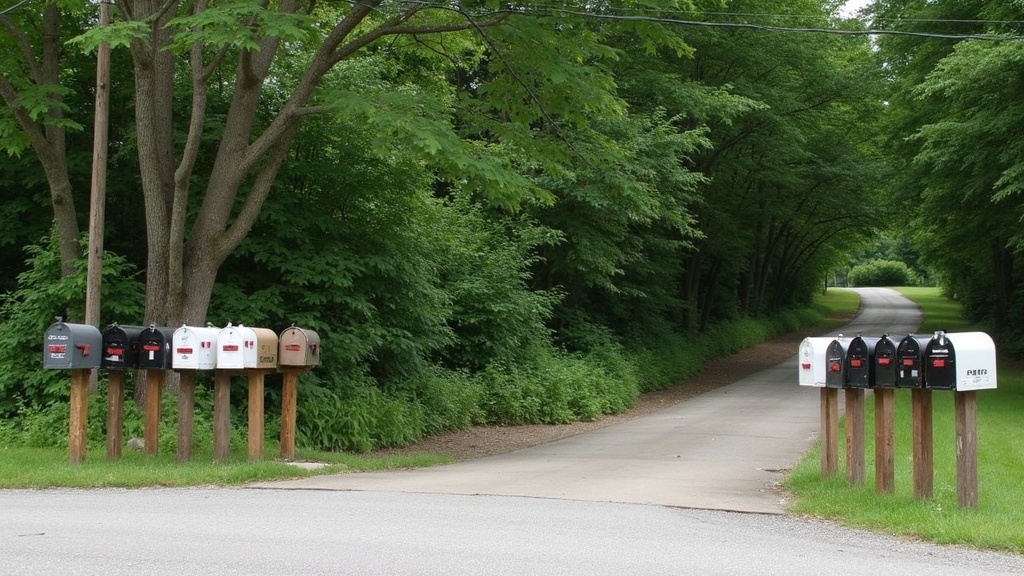
- Get a Physical Address: Consider using a reputable mail forwarding service that provides a legitimate street address, not a P.O. box. These services often connect you with others on the same adventure and may offer extra resources, such as assistance with local DMV paperwork or notary services, which is a helpful bonus.
- Swap Your Driver’s License: Each state has its own process, but you’ll want a license issued by your new home state. Most states also require proof of an address and sometimes a physical visit to the DMV. Scheduling an appointment, bringing all required documents, and gathering proof of residence (like receipts from campgrounds) can smooth the way.
- Register Your Vehicles: Your RV, tow car, motorcycles, or trailers should all have plates and registrations from your domicile state. Registering early can sometimes save you late fees and make renewal reminders easier, especially if your mail service keeps you updated.
- Update Insurance Policies: Home, auto, health, and RV insurance policies should reflect your new state to avoid problems with claims. Some insurance providers are more experienced with full-time RVers. Comparing a couple of quotes before moving can help you find the best match for your budget and coverage needs.
- Change Legal and Banking Documents: It helps to update your voter registration, bank accounts, and any trusts or wills to your new address, too. Some banks may require a quick phone call, while others accept online address changes.
States look for these steps to confirm you’re not just “passing through” for the money. Once set up, you’ll want to keep good records in case you ever have to prove your domicile, especially if your former state tries to claim you owe them taxes. Having digital copies of everything, securely stored, is wise for easy access during travel.
States Popular With Full Time RVers
I’ve talked to plenty of fellow RVers about why they chose states like Florida, Texas, or South Dakota. Here’s why these states keep popping up for folks on the move:
- Florida: No state income tax, affordable vehicle registration, no required vehicle inspections, and generous homestead exemptions. Good if you need access to in-state health care networks and want popular mail services near big RV communities.
- Texas: Also, no state income tax, lower annual registration fees, popular mail forwarding companies based around Escapees RV Club, and tons of support for registered voters and absentee ballots. Texas is home to large groups of full time RVers, which means excellent local resources and RV meetups.
- South Dakota: Super cheap registration (especially for older RVs), no inspections, lax residency requirements (often just a one-night stay), and no state income tax. Popular for retirees and those who rarely head “home.” There’s a friendly DMV system in several small towns that makes the whole process quick and painless for travelers.
Other states can work too, especially if you have ties, family, or specific needs. The most valuable step is to carefully compare not just taxes, but practical costs and healthcare choices. Keep in mind things like winter camping or summer events, which might matter if certain regions have special deals, events, or even weather that affects your travel plans. Exploring these lifestyle factors gives you a fuller picture before making your choice.

Typical Mistakes to Avoid With Domicile Decisions
Here are some pitfalls many RVers stumble into at first:
- Not “Cutting Ties” Enough: If you keep old state bank accounts, driver’s licenses, or memberships, you open yourself up to legal disputes, especially with states known for chasing residency tax dollars.
- Poor Paper Trails: Not keeping receipts or proof of time spent in your new state, not updating tax records, or skipping insurance updates can backfire and cause unwanted paperwork down the line.
- Choosing Based Only on Tax Rates: Cheap state taxes are nice, but if your healthcare, registration, or insurance costs go through the roof, the savings may vanish. Be sure solutions like local agents for insurance and nearby doctor networks suit your plans.
- Neglecting Voting and Jury Duty: Registering as a voter and responding (even remotely) to a jury summons keeps you legit and helps prove your move was real. Some states make online voter maintenance simple, letting you keep up involvement with very little effort.
State governments sometimes check up on full-timers if they sense you’re “only” fishing for an easy tax break. Setting things up properly and keeping documentation helps keep hassles away. If faced with inquiries, detailed records let you respond quickly and avoid stress that can spoil your travels.
The Impact on Health Insurance and Other Daily Realities
Health insurance can get tricky as a full time traveler, especially under the current Affordable Care Act. Some states offer more nationwide PPO options, while others limit you to local networks. For example, Florida and South Dakota often don’t offer many true PPOs, so you might be stuck with local coverage unless you find a national plan through work or a membership group. Texas seems to be better for PPO access, but it changes every year.
It’s also wise to consider:
- Prescription drug access, since refilling nationwide is important when you’re always moving. Some large pharmacy chains have locations across the country, making pickups easier no matter your route.
- Getting mail and important documents on time through a mail forwarding service; most offer options to scan vital paperwork so you never miss deadlines, even on travel days.
- Access to in-state rates for campgrounds, parks, or even college classes if your kids are with you. This can also extend to local museums, zoos, or events that offer deep discounts to state residents.
Real-world planning makes all the difference, not just the fine print on tax rates. Talk to other RVers, and check out forums or clubs for up-to-date info. If you travel with pets, remember that veterinary services are sometimes easier to access in certain domicile states, another little detail that can make a big impact on long-term comfort and peace of mind.
Advanced Tips: Getting the Most Tax Value From Your Domicile
To really stretch the value, here are a few nuggets I’ve picked up:
- Use a mail forwarding service that helps with more than mail, like registering vehicles, offering notary services, or handling voter paperwork. Some even offer phone forwarding or emergency message help.
- Document your annual travels; apps or journals help prove you’re not returning to an old state enough to owe them taxes. Taking geotagged photos at new states or keeping digital backups of campground receipts can make a big difference if questions come up.
- Plan big purchases, like RV upgrades, in tax-friendly states if possible to save hundreds or thousands. Even routine maintenance can sometimes be cheaper, depending on state sales or service taxes.
- Bookmark DMV and tax office websites for your home state so you can get updates and avoid last-minute surprises. Annual rules or fees can move around, so being in the know gives you a head start with paperwork and renewal dates.
Making these habits routine helps you focus on fun and adventures, not sorting out letters from a state tax office. Setting up reminders and keeping a checklist for annual renewals clears your calendar for more travel and enjoying each new destination.

Real-World Examples of Tax Savings and Challenges
I’ve chatted with RV families who saved thousands moving their domicile from California (high income tax, strict vehicle rules) to South Dakota. Still, others end up with headaches when states try to argue they never moved for real, which can happen if you leave too many loose ends behind.
The balance point is picking the state that fits not just your wallet but also matches your travel plans, family needs, and peace of mind. Read up on online RV forums and check professional RV clubs for super detailed state info, and do your own math before switching. If you keep a travel log or use budgeting apps that categorize by state, you’ll get a clearer picture of where most of your expenditures and time land each year.
Frequently Asked Questions
Question: Can I pick any state as my domicile just to avoid taxes?
Answer: Not exactly. You need to establish a real connection to that state, including things like using a mail service, updating your license, registering vehicles, and maybe even spending time there. States can challenge your claim if they think you’re only looking for a tax loophole.
Question: If I use a mail forwarding service in one state but visit family in another, which counts as my domicile?
Answer: The state connected to your mail service, vehicle registration, tax filings, and other official documents will usually count as your domicile. Visiting family or spending a few months elsewhere doesn’t change your domicile unless you also switch all your documents and legal ties. If in doubt, ask a mail forwarding company—they know the rules inside out.
Question: Does changing my domicile affect my health insurance?
Answer: Yes, sometimes by quite a lot. Many plans are state-specific, and only some states offer PPOs or national coverage for full time travelers. Double-check before switching to avoid gaps in care, and call your providers to see which plans serve your needs best.
Question: How does domicile affect my ability to vote?
Answer: You’ll need to re-register to vote in your new state. Many states allow absentee and mail voting, which works great for full time RVers. Blocking off a yearly date to check your registration is a wise habit.
Question: Is it hard to move my domicile if I change my mind?
Answer: It can be a hassle, but it isn’t impossible. You’ll have to redo all your registrations, licenses, bank accounts, and update your address with the tax authorities. Planning ahead and keeping organized records helps a lot if you ever need to move again. Some RVers even keep a digital list or a folder dedicated to essential state paperwork for each move.
Question: Are there professional services that help with RV domicile?
Answer: Definitely. RV clubs, online forums, and some law offices specialize in helping RVers choose and set up domicile, register vehicles, and even handle mail forwarding. Worth checking out if it all feels like too much at once or if you get tripped up on paperwork.
Making the Most of Full Time RV Living and Your Domicile
The right domicile streamlines your taxes, insurance, voting, and registration, but it also frames your budget for the open road lifestyle. Careful research and talking with experienced RVers gives you real-world guidance that goes way beyond internet “hot takes.”
Take control of your domicile decision so you can maximize what matters most to you: adventure, freedom, and maybe a little more cash to spend on your next epic camping spot. Enjoy the freedom, the open highways, and all the unique stops that a smartly chosen domicile unlocks along your way.
Learn more about us here!



Recent Comments