
How Do RV Digital Nomads Budget While Working Remotely?
Living as an RV digital nomad brings a sense of freedom and adventure, but managing your budget is super important if you want to enjoy life on the road without stressing over money.
Since 2008, we have been balancing remote work with road life. I’ve picked up some really practical tricks to help keep your finances in check while still having a blast.
RV living switches up how you think about money. Everything from fuel to the internet matters. In this article, I’ll break down my favorite budgeting tips, outline smart ways to cut expenses, and share reliable apps that keep me on track.
Smart Budgeting Basics for RV Digital Nomads
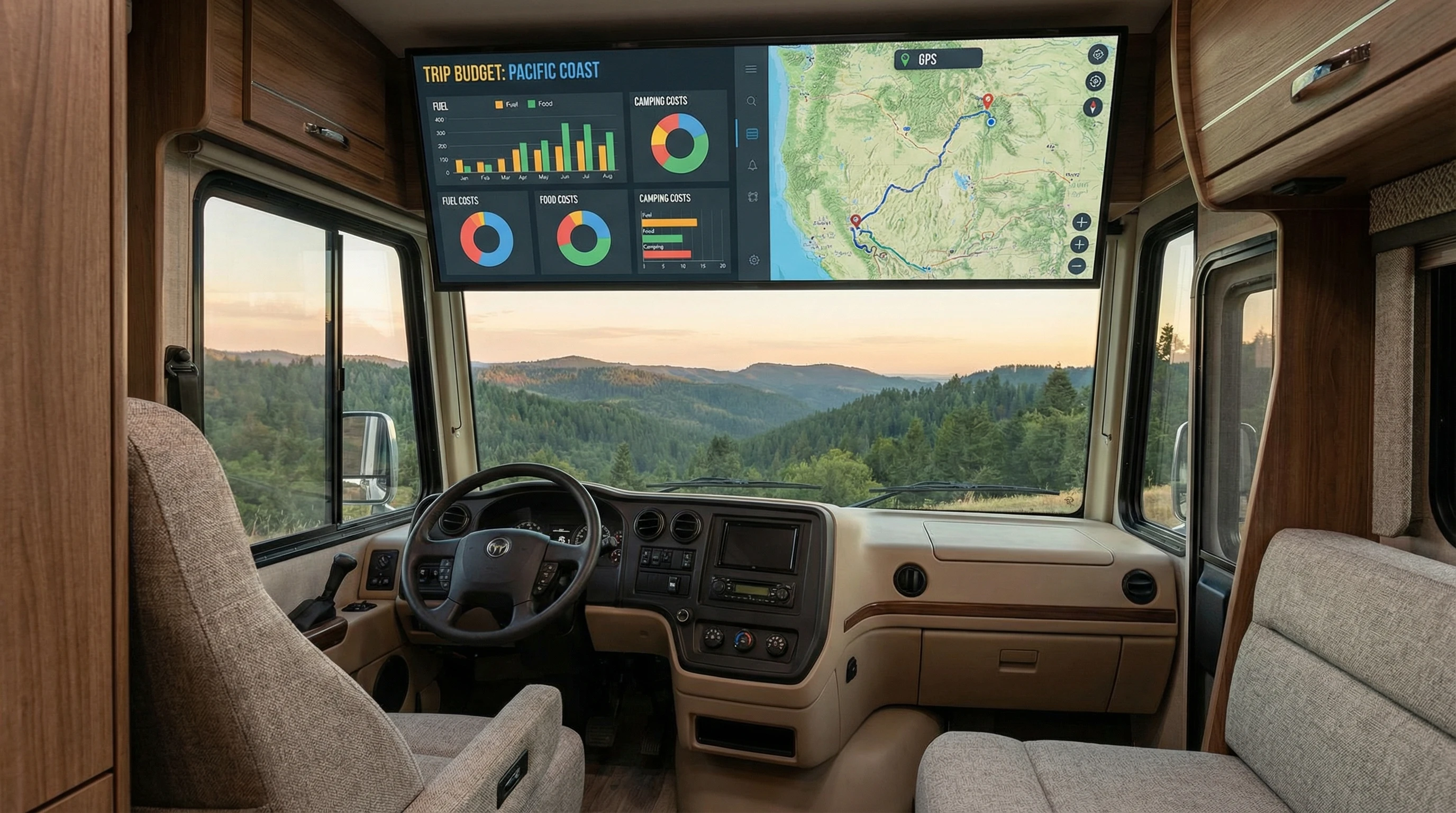
Budgeting as an RV digital nomad looks pretty different from budgeting in a regular house or apartment. When you’re always on the move, some costs are predictable, but others just pop up. Making your budget work for this lifestyle means staying flexible and prepared for surprises.
You can start by listing top expenses: fuel, campground fees, internet, groceries, RV maintenance, insurance, and subscriptions for work tools. Internet access should always be on your mind, especially with video calls for remote work.
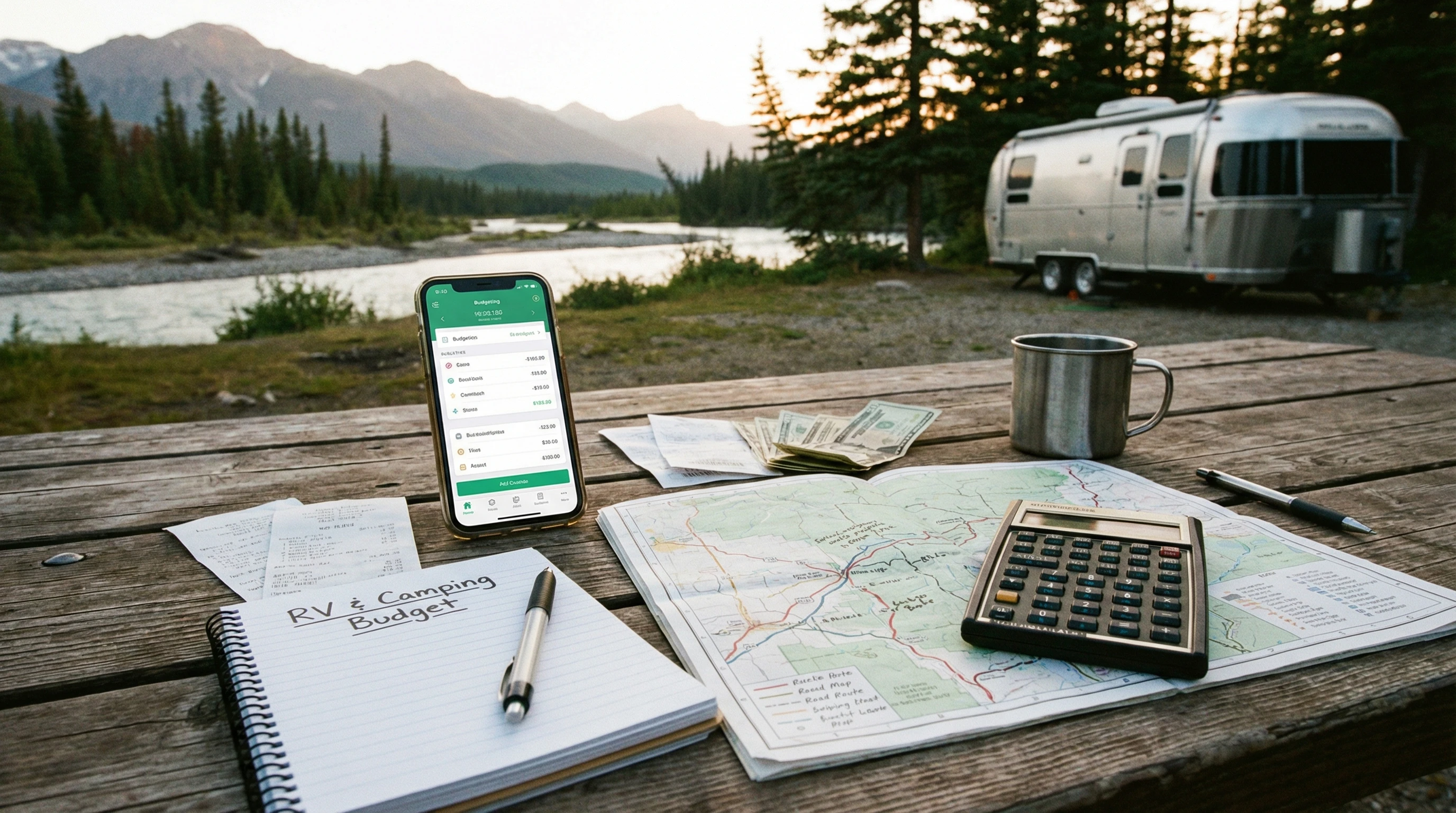
If you’re new to budgeting on the road, consider using a simple spreadsheet or a free budgeting app. Record what you spend for a month and see where the money goes. This habit will help you spot patterns and spot areas to trim back if needed.
How to Set Up an Effective RV Budget
I suggest setting up your budget in a few steps so nothing gets left out. First, figure out your monthly take-home income after taxes. List fixed costs, like RV payments or insurance, and estimate your variable costs, like gas or entertainment. Remember to save a little for unexpected repairs. Every RV nomad eventually faces a flat tire, a leaky faucet, or a surprising campground fee, so being ready is key.
- Fuel: How much you travel with your RV determines this cost, and fuel can be a big expense.
- Campgrounds: Some places are pricey, while others have deals for longer stays or discount programs worth checking out.
- Maintenance: RVs need regular tuneups. Setting aside a maintenance fund is super helpful.
- Internet/Data: I pick unlimited plans or use multiple carriers to stay connected anywhere.
Give your budget some wiggle room for occasional treats, like a night out or a unique local activity. Tracking expenses keeps surprises from turning into stress.
Tried and True Ways to Save on the Road
Saving money doesn’t mean missing out on fun. I’ve learned a few tricks to help keep more cash in your pocket while still exploring. Boondocking is a top choice for free camping on public land. Lots of national forests, BLM areas, or even some Cracker Barrels and Wal-Mart parking lots let RVers stay overnight. These spots are usually free or low-cost, and you can meet other travelers who know about the best hidden gems.
Cooking in your RV saves a considerable amount, too. Rather than eating out, meal prep and plan simple dishes. Shopping at discount stores or local farmers’ markets keeps food costs down and lets you enjoy fresh local produce.
- Discount Clubs: Programs like Passport America or Thousand Trails help cut camping costs.
- Shared Subscriptions: Split streaming or internet plans with trusted nomad friends.
- Travel with the Weather: Mild climates reduce your expenses for heating or cooling your RV.
- Limit Luxuries: If funds are tight, cutting back on entertainment costs, like skipping movie rentals or premium apps, really does add up.
 ,
,
 ,
,Useful Budgeting Tools and Apps for Digital Nomads
Staying organized is easier with handy tools. Use a mix of apps and spreadsheets to keep finances in order. Mobile budgeting apps like Mint, YNAB (You Need A Budget), and EveryDollar track your spending and automatically categorize expenses. Check out apps that set alerts for categories, so you know when you are nearing the limit on fuel or eating out.
Fuel tracking is crucial. Apps like GasBuddy help you spot the best deals at gas stations, while RV Trip Wizard and Campendium let you map routes and compare campground costs. Many banks provide spending tracker apps, too, so check if that’s an option with your account.
Important Budgeting App Features
- Automatic bank account syncing that updates your balances fast.
- Customizable budgeting so you can track unique expenses like RV repairs or campsite fees.
- Simple, easy-to-use interfaces are handy on a phone or tablet while you’re on the go.
Tech solutions paired with regular check-ins work best. Reviewing your spending each week uncovers leaks or habits you want to change.
Planning for RV Maintenance and Repairs
One lesson all RV digital nomads learn fast is that vehicles and home systems will need repairs. RVs can break down more than regular cars, especially if you travel a lot. That’s why you need to make sure to set aside funds for maintenance right in my budget.
Estimate the cost for standard maintenance: oil changes, tire rotations, and brake checks. Then, put away a little extra every month for repairs you don’t see coming. Tackling a busted water pump or engine trouble is much easier when you’re financially prepared.
Sticking to a routine maintenance schedule gives you a better chance of spotting small issues before they get expensive. For big repairs, keep a shortlist of trusted repair shops, recommended by other RVers or online forums.
Housing Costs: Campgrounds, Memberships, and Free Stays
RV site costs can range from $35 to over $60 a night, depending on where you stay. Balance a mix between paid campgrounds, discounted memberships, and free stays to stretch your budget.
Campground Memberships: These can pay off quickly. Passport America, Thousand Trails, and KOA reward memberships are especially helpful if you use their campgrounds often. They hook you up with discounts and perks.
Free Camping: Boondocking is totally legal on many public lands and is a favorite for saving money. Apps like RVParky, iOverlander, or FreeRoam help you track down free spots and share reviews from fellow nomads.
Monthly Rates: Some RV parks give discounts if you stay a month or longer. If you find a site with good WiFi and amenities, you can extend your stay to save.
How to Manage Work and Connectivity Costs
The internet is basically your lifeline as a digital nomad. Reliable service means the paychecks keep coming. I use a mix of data plans from different carriers and mobile hotspots so I can stay connected just about wherever I’m camped.
Dedicate part of your budget solely for the internet since heavy use can make costs spike. You can find public WiFi at libraries, coffee shops, or coworking spaces. This gives some variety, helps with networking, and helps stretch out my data plan. Starlink is my savior for reliable connectivity!
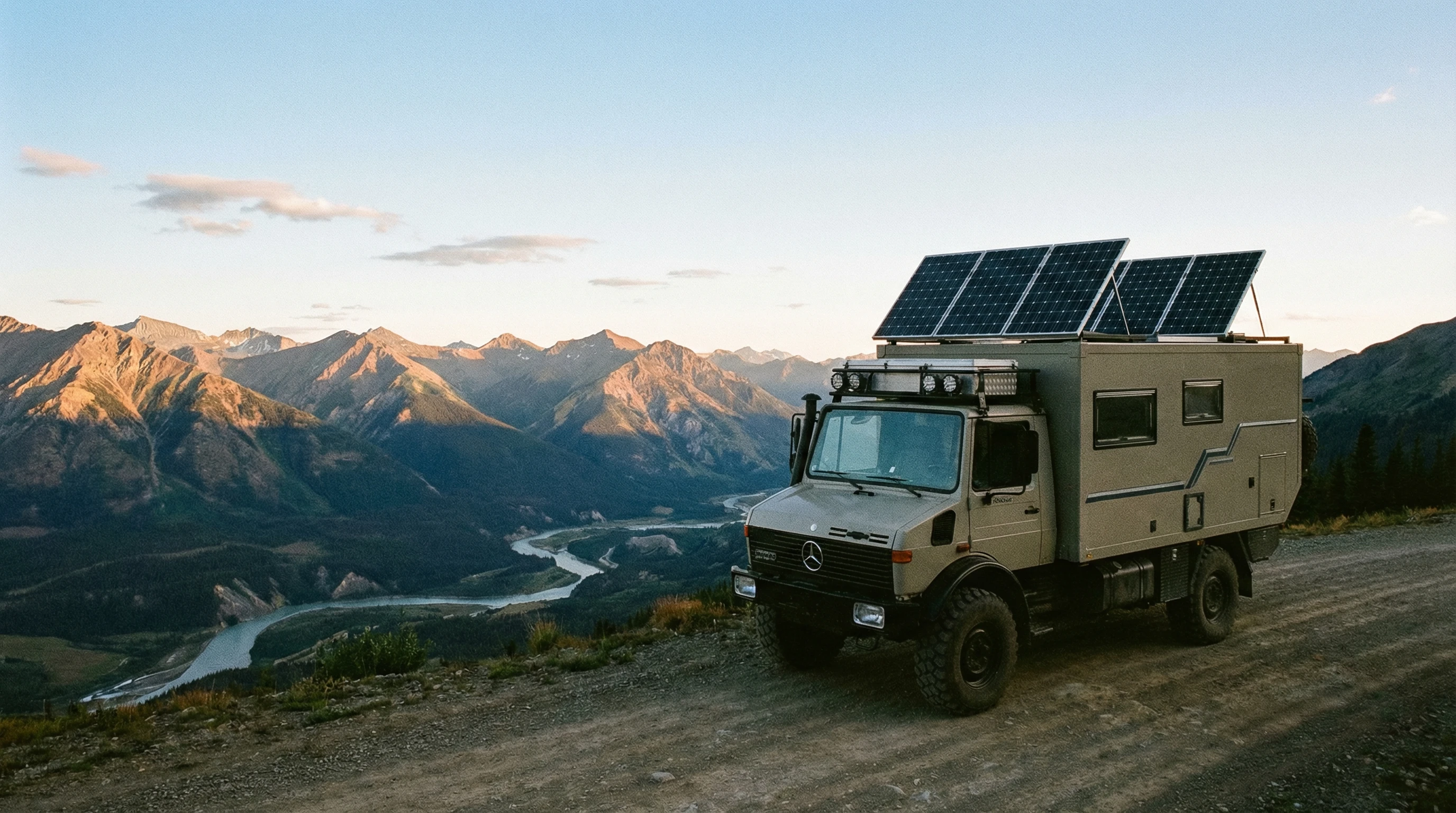
Power is another sneaky cost: running off-grid can drain batteries and force you to pay for hookups. My solar panels help save on those days, so over time, my setup has more than paid for itself.
Dealing With Healthcare, Insurance, and Emergency Planning
Healthcare and RV insurance are areas you definitely want to plan for. For health care, look for plans that offer coverage nationwide or include telemedicine. Telehealth visits are a lifesaver for small issues on the road. Some RV groups also offer group health insurance with better rates for travelers.
RV insurance varies, so always double-check that your policy covers full-time living. Take time to read the details so there are no unpleasant surprises if you need to file a claim.
It’s best to keep an emergency fund in an easily accessible savings account. Even small monthly contributions make a huge difference when big surprises pop up. Whether it’s a medical issue or a mechanical breakdown, it’s good knowing there’s backup cash available.
Frequently Asked Questions
How much should I budget each month as an RV digital nomad?
Monthly budgets range widely; some RVers get by on $1,500 while others go up to $4,000, depending on their style. Fuel, camping, food, insurance, and upkeep are major costs. Keeping track of where your money goes is the first step to saving more.
Are there any hidden costs to RV life I should watch out for?
Unexpected repairs, medical bills, and changing fuel prices can add up. Saving a little extra each month for these “just in case” shocks can keep things smooth when those bills hit.
Is it really cheaper to boondock than to use campgrounds?
Boondocking is usually free or super low-cost compared to RV parks. If you enjoy off-grid stays, you’ll save a lot on lodging. Just be ready to manage your own power, water, and waste.
What’s the best way to manage remote work expenses?
Track all your work-related costs, like internet, subscriptions, equipment upgrades, and software. Many can be written off during tax season. Keeping all your receipts and notes makes taxes easier and helps keep you organized.
More RV Nomad Resources and Next Steps
Budgeting on the go gets easier with time. Every RV digital nomad creates their own style, but tracking spending, cutting out waste, and planning ahead always helps. If you want more RV living and digital nomad tips, check out active forums, YouTube channels, and remote work communities. These places are gold mines for advice and meeting like-minded folks.
If you have unique budgeting hacks or questions, feel free to drop a comment or connect online. The RV community is full of travelers happy to swap stories and tips.
Need help building your online business or looking for more advice on digital nomad life? Visit this site for ideas or ask for guidance before you jump into exploring more articles. Safe travels and happy trails!
_________________________________________________________
What If Your RV Could Help Pay for the Journey? Could you make money while traveling wherever you like?
Many full-time RVers quietly earn money online: writing, recommending products, and building simple digital assets that generate income while they travel.
You don’t need tech skills.
You don’t need experience.
You need the right roadmap.
👉 Discover the beginner-friendly approach! Take a look at this post on this website.




Recent Comments